The Riper the Banana, the Better the Bread — Here's Why
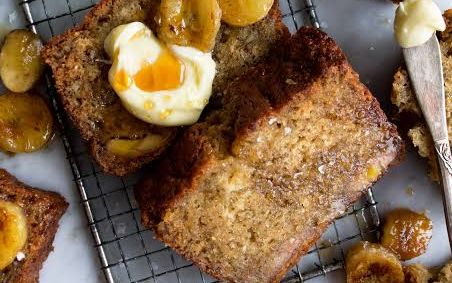
Banana bread only turns out right when the bananas are almost too ripe to eat — here's the science behind it, plus the recipe that proves it.
Every batch of good banana bread starts the same way: bananas that got too spotty to eat plain, sitting on the counter looking more like a problem than an ingredient. That's not a coincidence, and it's not a workaround for using up food before it spoils — it's actually the entire point. Bananas at their least appetizing stage for eating fresh are exactly the ones that produce the sweetest, moistest loaf. This piece covers the science behind that, a base recipe built around it, the three failure points that show up most often, and a few directions the recipe can go from there.
Why Overripe Bananas Make Better Bread
As a banana ripens, enzymes inside the fruit convert starches into simple sugars — glucose, fructose, and sucrose — which is why a green banana tastes starchy and bland while a spotted one tastes distinctly sweet. That same process softens the fruit's cell structure, releasing more moisture that gets baked directly into the batter. A banana that's still yellow and firm hasn't gone through nearly enough of this conversion, which means less natural sugar and less moisture make it into the loaf, even when every other ingredient and measurement in the recipe stays exactly the same. According to USDA FoodData Central, the sugar content of bananas increases measurably as they ripen, which lines up with what most home bakers notice by taste alone: a loaf made with barely-ripe bananas needs more added sugar just to reach the same sweetness as one made with fully spotted fruit.
The Base Banana Bread Recipe
A standard loaf uses 3 large overripe bananas (about 1½ cups/340g mashed), 2 large eggs, ⅓ cup (75g) melted butter or neutral oil, 1 teaspoon vanilla extract, 1¾ cups (220g) all-purpose flour, 1 teaspoon baking soda, ½ teaspoon salt, and an optional ½ teaspoon cinnamon. This exact banana bread recipe works as a starting point regardless of which direction it eventually goes — nuttier, healthier, or simplified into a one-bowl version.
Wet Ingredients
Mash the bananas until mostly smooth, with a few small lumps left intact, then whisk in the eggs, melted butter or oil, and vanilla until the mixture looks uniform.
Dry Ingredients
Whisk the flour, baking soda, salt, and cinnamon together separately before combining with the wet ingredients. Keeping these two mixtures apart until the very end matters more than it looks like it should, since it's the step most responsible for the batter's final texture.
How to Bake Banana Bread Without Guessing
Getting this right isn't about following the recipe exactly — it's about handling three specific moments correctly.
Mixing Without Activating Gluten
Fold the dry ingredients into the wet ones with a spatula, stopping as soon as no streaks of flour remain. Continuing to stir past that point develops gluten in the flour, which is the single biggest reason a loaf comes out tough and rubbery instead of tender. A few visible lumps in the batter are a good sign, not a mistake.
Reading the Oven, Not Just the Timer
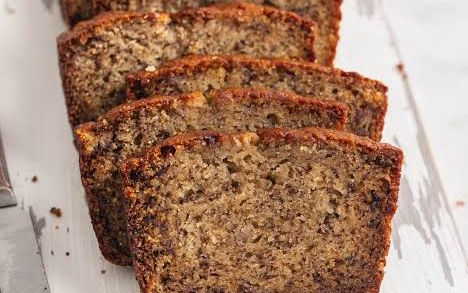
Pour the batter into a greased 9x5-inch (23x13cm) loaf pan and bake at 350°F (175°C) for 55–65 minutes, but start checking with a toothpick at the 50-minute mark rather than trusting the timer alone. Oven calibration varies enough between models that a stated bake time is only ever a rough guide — the toothpick should come out with a few moist crumbs attached, not wet batter.
The Foil Trick for a Browning Top
If the top browns too quickly while the center is still raw, loosely tent a sheet of aluminum foil over the loaf partway through baking. This slows further browning on top without affecting how the center continues to cook, solving the most common complaint about a loaf that looks done but isn't.
Recipe for Banana Bread: Common Failure Points
Three complaints dominate almost every recipe for banana bread discussion online, and all three trace back to identifiable causes. A sunken middle usually means the loaf was pulled from the oven before the center fully set, or that too much baking soda relative to the flour caused it to rise fast and then collapse. A gummy center, distinct from a properly moist one, almost always means underbaking — the toothpick test looked close enough, but the structure hadn't fully firmed up yet. A burnt top with a raw center happens when the oven runs hot or the loaf pan sits too close to the top heating element, which the foil trick above solves directly rather than requiring a lower oven temperature that would slow the whole bake down unnecessarily.
Comparison Table: Banana Ripeness and Baking Outcome
Matching banana appearance to expected results takes the guesswork out of deciding whether a batch of bananas is actually ready to bake with.
| Banana Appearance | Sugar Content | Best Use | Resulting Texture |
|---|---|---|---|
| Yellow, no spots | Low | Not recommended yet | Bland, less moist |
| Yellow with light spotting | Moderate | Usable in a pinch | Mild sweetness, decent moisture |
| Heavily spotted, mostly brown | High | Ideal | Sweet, very moist crumb |
| Fully black peel | Very high | Best for baking | Maximum sweetness, softest crumb |
Variations Worth Trying
Once the base recipe is dialed in, a few directions are worth branching into depending on the occasion.
Easy Banana Bread Recipe Shortcuts
For an easy banana bread recipe with less cleanup, skip the separate wet-and-dry bowls entirely and mix everything in one bowl, starting with the wet ingredients and stirring in the dry ones last. The texture comes out slightly less uniform than the two-bowl method, but the shortcut works fine for a faster weeknight bake.
Banana Nut Bread Recipe
Folding in ¾ cup (85g) of chopped walnuts or pecans turns this into a banana nut bread recipe, adding crunch and healthy fats to the same base batter — the site's full banana nut bread recipe covers this variation step by step, including nut-toasting technique and ratio adjustments.
Healthy Banana Bread Recipe
A healthy banana bread recipe swaps in whole wheat flour for some or all of the all-purpose flour and cuts the added sugar, since the ripe bananas already carry most of the sweetness the loaf needs. This version comes out slightly denser but holds up well as a regular breakfast option rather than an occasional treat.
Tips for Better Banana Bread
Don't rush the ripening step if the bananas aren't spotty enough yet — letting them sit an extra day or two on the counter is the single biggest lever on how sweet and moist the final loaf turns out, and no amount of added sugar fully compensates for underripe fruit. Measure flour by spooning it into the measuring cup and leveling it off, rather than scooping directly from the bag, since scooping packs in noticeably more flour than the recipe intends and is the most common cause of a dry, dense result.
Storage and Freezing
A baked loaf stays fresh for about 3–4 days at room temperature when wrapped tightly in plastic wrap, or up to a week when refrigerated in an airtight container, based on typical recipe-testing observations for this type of quick bread. According to USDA guidance on leftovers and food safety, keeping baked goods tightly wrapped slows moisture loss and helps preserve freshness longer at either storage temperature. For longer storage, slice the loaf, wrap individual pieces, and freeze for up to 3 months; thaw at room temperature in under an hour before eating.
FAQ
How ripe should bananas be for banana bread?
Bananas should be heavily spotted or almost entirely brown on the peel, well past the stage most people would eat them plain. At this point, starches have converted to sugar and the fruit has softened considerably, both of which directly contribute to a sweeter, moister finished loaf.
Can you use yellow bananas without spots for banana bread?
Yes, but the result will be noticeably less sweet and less moist, since the banana hasn't fully converted its starches to sugar yet. If only unspotted bananas are available, roasting them in their peel at 300°F (150°C) for about 15 minutes speeds up ripening and softens the fruit.
Why did my banana bread sink in the middle?
Sinking usually happens from underbaking, opening the oven door too early, or too much leavening agent relative to the flour. A loaf pulled before the center fully sets will collapse as it cools, since the structure hasn't finished firming up enough to support itself.
Can bananas be frozen for banana bread?
Yes, overripe bananas freeze well whole, peel and all, for later use. Thaw them at room temperature before baking — they'll release extra liquid and turn very soft, which is normal and actually makes mashing easier than working with fresh, unfrozen fruit.
How long does banana bread stay fresh?
Banana bread stays fresh for about 3–4 days at room temperature when wrapped tightly, or up to a week refrigerated. For longer storage, slices freeze well for up to 3 months and thaw at room temperature in under an hour.
Conclusion
The gap between an average loaf and a genuinely good one usually has nothing to do with the recipe itself — it comes down to how ripe the bananas were before they ever hit the mixing bowl. Letting bananas go further past ripe than feels instinctively right is the one variable that consistently makes the biggest difference. Use the base recipe here as a starting point, then branch into the nuttier, healthier, or simpler versions once the fundamentals feel solid. For another moist quick bread built the same way, try this zucchini bread recipe, or pair a slice of banana bread with this healthy blueberry muffin recipe for a bigger breakfast spread.
Tags