Salmon Patties Done Right: Why Most Recipes Get the Texture Wrong
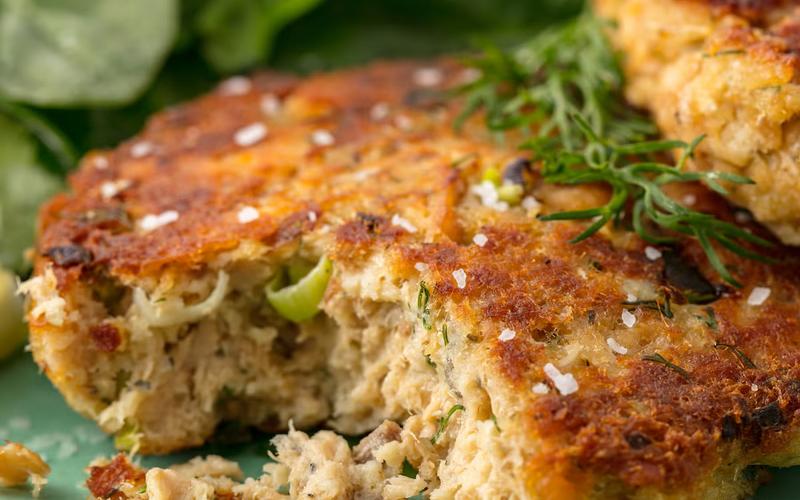
Salmon patties fall apart in the pan or taste like breadcrumbs — here's the recipe and technique that fixes both problems every single time.
Prep time
15 minutes
Cook time
10–12 minutes
Cuisine
American
Ingredients
Nutrition
Salmon patties have two failure modes that show up constantly: they crumble apart the moment a spatula tries to flip them, or they hold together fine but taste mostly like seasoned breadcrumbs with a faint fish smell underneath. Both problems trace back to the same root cause — the wrong ratio of binder to salmon, compounded by skipping the one technique step that actually keeps the structure intact. This piece covers the binder math, the canned vs. fresh salmon decision, the method in the order it needs to happen, and the specific pan moves that determine whether the patty arrives on the plate in one piece or not.
Canned vs. Fresh Salmon — What the Recipe Actually Needs
Canned salmon patties are the default for most home cooks because canned salmon is shelf-stable, already flaked, and consistently moist without any prep beyond draining — no filleting, no poaching, no waiting for it to cool. A standard 14–15 oz (400–425g) can covers a batch of 6 medium patties. According to USDA FoodData Central, bone-in canned salmon contains a meaningful amount of calcium per serving, since the canning process softens the bones to the point where they're completely edible and blend invisibly into the flaked fish — there's no reason to remove them.
Pink Salmon vs. Sockeye for Patties
Pink salmon (the most widely available canned variety) has a milder, gentler flavor that works well for anyone who finds canned salmon's natural smell off-putting before cooking. Sockeye runs stronger in flavor and firmer in texture once cooked, making it a better choice for patties where a more pronounced salmon taste is the goal — it also tends to hold together slightly better due to its firmer flesh.
Draining and Prepping the Canned Salmon
Pressing out excess moisture before mixing matters as much here as draining shredded zucchini does in zucchini bread — too much liquid in the mix dilutes the binder's effectiveness and leaves the formed patty unable to hold structure once it hits a hot pan. Drain the can, transfer the salmon to a clean kitchen towel or paper towels, and press gently but firmly before adding anything else.
The Salmon Patties Recipe: Ingredients and the Binder Problem
A baseline salmon patties recipe for 6 patties uses one 14–15 oz (400–425g) can of drained salmon, 1 large egg, ⅓ cup (35g) panko breadcrumbs or crushed crackers, 1 teaspoon Dijon mustard, 1 tablespoon lemon juice, 2 tablespoons finely chopped green onion, and ½ teaspoon salt. The central challenge isn't the seasoning — it's calibrating the binder. Too much breadcrumb and every bite tastes like filler with salmon flavor buried underneath; too little and the patty disintegrates under the spatula.
Why the Egg-to-Salmon Ratio Matters
One large egg per 14–15 oz (400–425g) of drained salmon is the reliable baseline. The egg's proteins denature during cooking, creating the structural glue that holds the patty together from the inside out. Adding a second egg doesn't improve structure proportionally — it shifts the texture toward something denser and more meatball-like rather than the flat, pan-crisped patty most people are after.
Breadcrumbs vs. Crackers vs. Flour as Binders
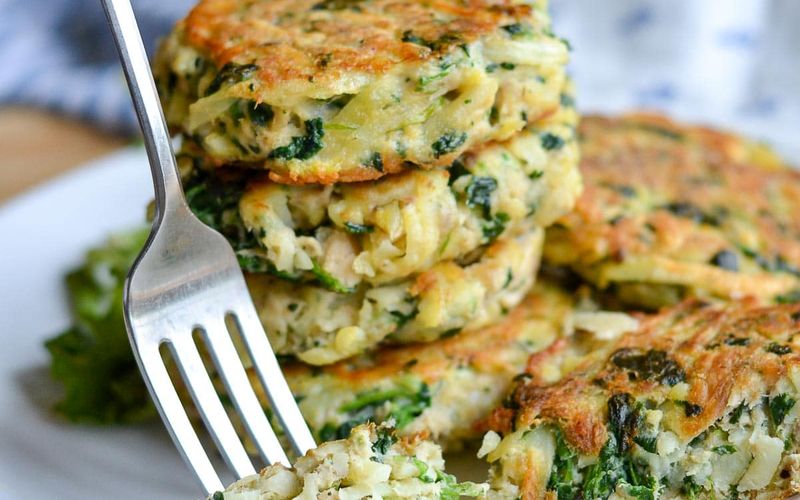
Each binder produces a different result. Panko absorbs excess moisture while staying light enough not to dominate the flavor. Crushed Ritz-style crackers add a slight buttery note and a denser crust. All-purpose flour gives the tightest bind but the least crisp exterior, since it forms a more compact interior without the airy texture panko creates. Oat flour works for a gluten-free version, producing a slightly nutty, tender result.
How to Make Salmon Patties — The Method Step by Step
This is the actual salmon patty recipe method, in the order it needs to happen.
Mixing Without Overworking
Combine the drained, pressed salmon with the egg, binder, mustard, lemon juice, green onion, and salt in a bowl and fold gently until the mixture just comes together — not stirring vigorously, which breaks down the salmon too finely and compresses the mixture so tightly that the finished patty loses its texture. A few visible flakes of salmon remaining in the mix is the right stopping point.
The Chill Step That Most Recipes Skip
Once formed into patties about ¾ inch (2cm) thick and 3 inches (7.5cm) across, refrigerate them for at least 20 minutes before cooking. This step lets the binder hydrate fully and the patty structure firm up, which is the single most reliable fix for patties that fall apart — skipping it and going straight to the pan is why most first-attempt batches crumble. Cover and refrigerate while the pan preheats.
Pan Temperature and Flip Timing
Heat 2 tablespoons of oil in a non-stick or cast-iron skillet over medium to medium-high heat until shimmering. Place the chilled patties in the pan and don't touch them for 3–4 minutes — a crust needs to fully form on the bottom before the patty has any structural integrity at the flip point. Slide a wide spatula fully underneath before flipping in one confident motion, then cook the second side for another 3–4 minutes. The safe internal temperature for cooked fish is 145°F (63°C) per the USDA's safe minimum internal temperature chart. The same logic of letting the crust fully set before moving the protein in the pan is exactly what this chicken parmesan recipe applies to breaded chicken cutlets — same principle, different protein.
A Recipe for Salmon Patties Using Fresh Salmon
A recipe for making salmon patties with fresh salmon requires one additional step the canned version skips: cooking the fish before mixing it into the patty batter. A 1 lb (450g) fresh salmon fillet, briefly pan-seared skin-side up for 3–4 minutes over medium-high heat until just cooked through, then cooled and flaked, produces enough flaked fish for a batch of 6 patties. Fresh salmon contains significantly more moisture than canned, so the binder amount needs to increase by about 50% — roughly ½ cup (50g) of panko rather than ⅓ cup — and the formed patties benefit from a longer chill time of 30 minutes rather than 20. The flavor is cleaner and less intensely "canned-fish," which is worth the extra step for anyone serving these as a more composed main dish rather than a quick weeknight option.
Comparison Table: Binders and Their Effect on Texture
Picking the right binder for a given batch depends on what texture the finished patty should have and what's already in the pantry.
| Binder | Texture Result | Flavor Impact | Best For |
|---|---|---|---|
| Panko Breadcrumbs | Crisp exterior, light interior | Neutral | Classic patties |
| Crushed Crackers (Ritz-style) | Slightly denser, buttery crust | Mild buttery note | Richer, old-fashioned style |
| All-Purpose Flour | Firm, compact patty | Very neutral | Tightest bind, less crisp exterior |
| Oat Flour | Tender, slightly dense | Slightly nutty | Gluten-free option |
Tips for Salmon Patties That Hold Together and Actually Taste Like Salmon
Drain the canned salmon and press it dry before adding anything else — this is the preparation step most crumbled batches skipped. Chill the formed patties for at least 20 minutes; this isn't optional if the goal is a patty that arrives on the plate intact. Don't move the patties during the first 3–4 minutes in the pan, since the crust forming on the bottom is what gives the patty its structural backbone before the flip. Season assertively — salmon croquettes made from canned fish smell strong raw but taste mild once cooked, and underseasoned patties end up tasting flat even when the salmon itself is perfectly textured.
Serving and Sauce Options
A basic lemon-dill sauce — sour cream or Greek yogurt, lemon juice, fresh dill, and a pinch of salt — takes about two minutes to mix and cuts through the richness of a pan-fried patty well. Serving over a simple green salad keeps the plate light; putting the patty on a bun with lettuce and the same sauce turns it into a sandwich. Canned salmon recipes in this format work just as well as a dinner starter on a small plate with sauce as they do as a main with a side — the serving context doesn't require any modification to the patties themselves. Pair these with this pasta salad recipe for a cold, contrasting side that rounds out the plate without adding any hot-prep time to the meal.
Storage and Reheating
Cooked salmon patties keep for 3–4 days in an airtight container in the refrigerator, based on typical recipe-testing observations for pan-fried fish cakes stored this way. Reheating in a skillet over medium heat for 2–3 minutes per side preserves the most crust texture; the oven at 375°F (190°C) for about 10 minutes works nearly as well. Microwaving softens the exterior considerably, since the steam generated inside the container essentially undoes the pan-crisped crust. Uncooked formed patties freeze well for up to 1 month — freeze them on a parchment-lined tray first before bagging, and cook from frozen by adding about 2 extra minutes per side in the pan.
FAQ
What holds salmon patties together?
The combination of egg and a dry binder — breadcrumbs, crackers, or flour — is what holds salmon patties together. The egg provides protein-based binding when cooked, while the binder absorbs excess moisture. Chilling the formed patties for 20 minutes before cooking also helps the structure firm up before it hits the heat.
Can you use fresh salmon instead of canned?
Yes, but fresh salmon needs to be cooked first — either briefly poached or pan-seared — then flaked and cooled before mixing with the other ingredients. Fresh salmon contains more moisture than canned, so using slightly more binder and draining the cooked fish well helps prevent the patties from falling apart.
Why do my salmon patties fall apart?
The two most common causes are too much moisture in the salmon (not drained well enough before mixing) and flipping the patty too early in the pan before a crust has formed underneath. Chilling the shaped patties before cooking and leaving them undisturbed for 3–4 minutes per side usually solves both problems.
Are salmon patties the same as salmon croquettes?
The terms are often used interchangeably, though salmon croquettes traditionally refer to a slightly denser, more heavily seasoned version common in Southern US cooking. Both share the same basic construction — flaked salmon, binder, egg, and seasoning — but croquettes sometimes use more filler and a finer crumb coating.
How long do cooked salmon patties keep in the fridge?
Cooked salmon patties keep for 3–4 days in an airtight container in the refrigerator. Reheating in a skillet over medium heat or in the oven at 375°F (190°C) preserves more of the original crust than microwaving, which tends to steam the exterior soft.
Conclusion
Good salmon patties come down to two non-negotiable steps more than anything else in the recipe: draining the canned salmon thoroughly before mixing, and chilling the formed patties for at least 20 minutes before they touch a hot pan. Every other variable — seasoning, binder type, serving sauce — can flex around personal preference, but those two steps are structural. Start with the canned version to build the technique, then move to fresh salmon once the method feels reliable — the same drainage and chill logic applies regardless of which fish goes into the mix. For more protein-forward weeknight mains, browse the full non-veg recipe collection.
Tags