Chicken Tinga: How One Smoky Sauce Turns Plain Chicken Into Something Special
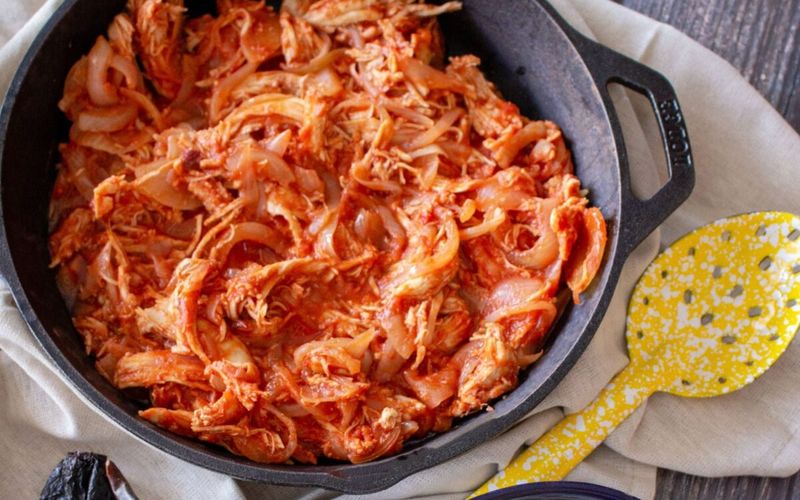
Chicken tinga turns simple shredded chicken into something smoky and rich with chipotle — the recipe, tostada method, and Instant Pot shortcut.
Prep time
15 minutes
Cook time
35–40 minutes
Cuisine
Mexican
Ingredients
Nutrition
Shredded chicken on its own is fine, but forgettable. Simmer that same chicken in a smoky, tomato-based chipotle sauce until it falls apart and soaks up every bit of flavor, and it becomes chicken tinga — a dish that asks for almost no active cooking skill and pays back disproportionately well for it. This guide covers what the dish actually is, the base stovetop method, slow cooker and Instant Pot shortcuts, and the traditional ways it gets served once it's done.
What Is Chicken Tinga?
Answering what is chicken tinga for anyone encountering it for the first time: it's a Mexican dish, most closely associated with the state of Puebla, built on shredded chicken simmered in a sauce made from tomatoes, chipotle peppers in adobo, white onion, and garlic. What separates it from most other shredded chicken preparations is the chipotle — a smoked, dried jalapeño packed in a tangy adobo sauce — rather than fresh chile, which gives the dish a smoky depth that fresh peppers simply don't produce. Put simply, what is tinga as a category of dish: it's a family of Mexican preparations built around meat cooked slowly in a well-seasoned sauce until fully shredded and saturated, and chicken is the most common version of that broader tinga food tradition, though beef and pork versions exist too.
Ingredients for This Chicken Tinga Recipe
A standard batch serving 4–6 needs: 2 lbs (900g) bone-in chicken breasts or thighs, 2–3 canned chipotle peppers in adobo sauce (plus 2 tablespoons of the adobo sauce itself), 1 can (28 oz/800g) crushed tomatoes, 1 medium white onion (half sliced for poaching, half diced for the sauce), 3 cloves garlic, 1 teaspoon dried Mexican oregano, and 1 bay leaf. This is the core chicken tinga recipe ingredient list most readers land on this post looking for.
Chipotle in Adobo — The Non-Negotiable Ingredient
Canned chipotle in adobo isn't really substitutable with fresh jalapeños or plain chili powder without losing what makes the dish recognizable, since the smoking and canning process is what gives chipotle its distinct depth — fresh chile brings heat but not that same smokiness, and chili powder brings neither in the same concentrated form. According to USDA FoodData Central, tomatoes contribute a meaningful amount of vitamin C and lycopene to the dish, which is worth noting given how central the tomato base is to the final sauce volume.
Bone-In vs. Boneless Chicken
Bone-in thighs or breasts produce a richer poaching liquid, since the bones and connective tissue release flavor into the water as the chicken cooks — that poaching liquid then becomes part of the sauce base later in the recipe. Boneless cuts work fine and cut a few minutes off the cooking time, but they skip this flavor-building step entirely, so the finished sauce leans a bit more on the tomatoes and chipotle alone to carry the dish.
How to Make Chicken Tinga
This is the direct, stovetop method, written step by step.
Poaching and Shredding the Chicken
Place the chicken in a pot with the sliced half-onion, 1 clove of garlic, and enough water to cover by about an inch (2.5cm). Bring to a boil, then reduce to a simmer and cook for 20–25 minutes, until the chicken reaches an internal temperature of 165°F (74°C), confirmed with a meat thermometer per USDA's safe minimum internal temperature guidance. Reserve 1 cup (240ml) of the poaching liquid, then shred the chicken with two forks once cool enough to handle.
Building the Chipotle-Tomato Sauce
In a separate pan, sauté the diced onion and remaining 2 cloves of minced garlic in a tablespoon of oil over medium heat for 4–5 minutes until softened. Add the crushed tomatoes, chipotle peppers, adobo sauce, Mexican oregano, and bay leaf, then simmer for 10 minutes to let the flavors meld together.
Combining and Simmering
Blend the sauce until smooth (or leave it slightly chunky, depending on preference), then return it to the pan along with the shredded chicken and the reserved poaching liquid. Simmer uncovered for 15–20 minutes, stirring occasionally, until the sauce thickens and fully coats the chicken rather than pooling loosely around it.
Chicken Tinga Slow Cooker and Instant Pot Methods
For a chicken tinga slow cooker version, skip the separate poaching step entirely — place raw chicken directly into the slow cooker along with the blended sauce ingredients, and cook on low for 4–6 hours or high for 2–3 hours, then shred the chicken directly in the sauce once it's fully tender. This works well for anyone who wants to start the dish in the morning and come home to it finished.
A chicken tinga instant pot version compresses the whole process into about 25–30 minutes total. Add the raw chicken and blended sauce to the inner pot, pressure cook on high for 12–15 minutes with a 10-minute natural release, then shred the chicken directly in the pot once the pressure has fully dropped. This is the fastest hands-off option of the three, cutting the stovetop method's roughly 50 minutes down by nearly half.
Comparison Table: Chicken Tinga Cooking Methods
Choosing a method usually comes down to how much time is available and how much control matters over the final sauce consistency.
| Method | Total Time | Hands-On Effort | Best For |
|---|---|---|---|
| Stovetop | 45–50 min | Medium | Most control over sauce consistency |
| Slow Cooker | 4–6 hrs (low) | Low | Set-and-forget weekday cooking |
| Instant Pot | 25–30 min | Low | Fastest hands-off result |
Serving Chicken Tinga: Tostadas, Tacos, and Beyond
Chicken tinga tostadas — a crisp, fried or baked corn tortilla base topped with refried beans, the shredded chicken, shredded lettuce, and a drizzle of crema — are the most traditional way to serve this dish, and the crunch of the tostada base contrasts well against the soft, saucy chicken. Tinga tacos, made with warm corn tortillas topped with the chicken, diced onion, and cilantro, work just as well for a simpler, handheld version. The same shredded chicken also holds up spooned over rice or stuffed into a torta sandwich, since the sauce is rich enough to carry a fairly neutral base without needing much else added. For anyone assembling a wrap-style version at home, this breakfast burrito recipe uses a similar shredded-filling, wrap-and-go format that translates well to a tinga filling too.
Tips for an Authentic Chicken Tinga Recipe
Mexican oregano and the more common Mediterranean oregano aren't interchangeable here — Mexican oregano has a slightly citrusy, more assertive flavor that suits this dish specifically, and swapping in the Mediterranean variety produces a noticeably flatter result. Simmering the finished sauce uncovered for the last 10 minutes concentrates the flavor and thickens the consistency, rather than leaving it thin and watery, which is a common mistake when the sauce gets pulled off the heat too early. Chipotle peppers vary meaningfully in heat from can to can, so it's worth adding them gradually and tasting as the sauce comes together rather than committing to a full can upfront — this is really what separates an average batch from a chicken tinga recipe authentic to how it's traditionally balanced between smoke, heat, and tomato sweetness.
Storage and Reheating
Chicken tinga keeps for about 4–5 days refrigerated in an airtight container, based on typical recipe-testing observations for a tomato-based sauce with this consistency. It freezes well for up to 3 months, and the flavor often improves noticeably by the second day, since the sauce continues to penetrate the shredded meat well after the initial cook is finished. Reheat gently on the stovetop over low heat, adding a splash of water or broth if the sauce has thickened too much in the fridge.
FAQ
What is chicken tinga made of?
Chicken tinga is made from shredded chicken simmered in a sauce of tomatoes, chipotle peppers in adobo, onion, and garlic. The chipotle gives the dish its distinctive smoky heat, while the tomato base keeps the sauce rich and slightly sweet, balancing the peppers' spice.
Is chicken tinga spicy?
It has a moderate, smoky heat rather than an intensely spicy one, since the chipotle peppers are typically used in controlled amounts alongside a large volume of tomato sauce. The heat level is easy to adjust by using fewer peppers or more of the adobo sauce alone for flavor without as much spice.
What's the difference between tinga and regular shredded chicken?
Regular shredded chicken is often plain or lightly seasoned, while tinga chicken is simmered specifically in a smoky chipotle-tomato sauce until the flavor fully absorbs into the meat. The sauce is what defines the dish — without the chipotle and tomato base, it's simply shredded chicken rather than tinga.
Can chicken tinga be made in a slow cooker or Instant Pot?
Yes, both appliances work well. A slow cooker cooks the chicken directly in the sauce over 4–6 hours on low, while an Instant Pot pressure cooks the same combination in about 25–30 minutes total, making it the faster of the two hands-off options.
What do you serve with chicken tinga?
Chicken tinga is most commonly served on tostadas with refried beans, lettuce, and crema, or in tacos with onion and cilantro. It also works well spooned over rice or stuffed into a torta sandwich, since the sauce pairs well with starchy, neutral bases.
Conclusion
Chicken tinga delivers a lot of flavor for very little active cooking time, whether it's made on the stovetop for the most control over the sauce, in a slow cooker for a genuinely hands-off weekday version, or in an Instant Pot when time is short. Starting with tostadas — the most traditional serving format — is the best way to get a feel for the dish before branching into tacos or other uses for the same shredded chicken. For another approachable shredded and sauced chicken dish, try this chicken parmesan recipe, or pair a tostada plate with this pasta salad recipe for a cold, contrasting side.
Tags