The Best Pasta Salad Recipe: Easy, Cold & Full of Flavor
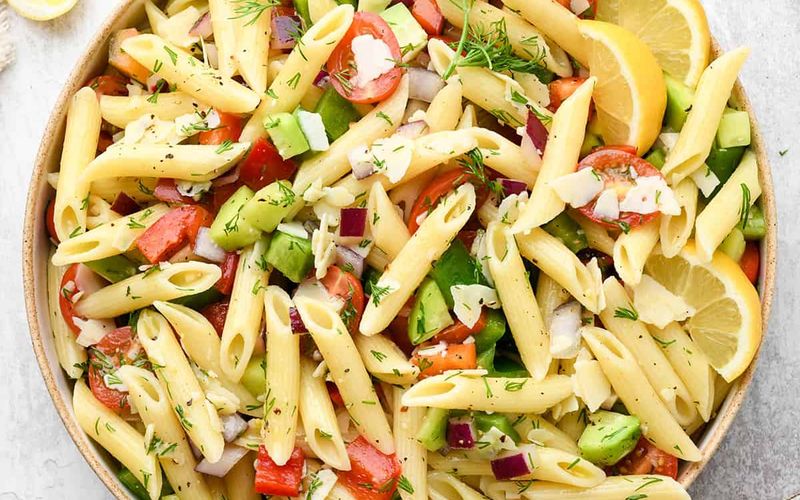
Learn an easy pasta salad recipe with simple steps, tasty variations, and pro tips for a cold, crowd-pleasing dish everyone will love.
Few dishes travel as well from the kitchen counter to a potluck table as a good pasta salad recipe. It comes together in under 30 minutes, holds up in the fridge for days, and adapts to whatever vegetables, cheese, or protein happens to be on hand. This guide walks through the ingredients, the step-by-step method, five popular variations, a side-by-side comparison table, and the small techniques that separate a soggy bowl of noodles from a genuinely great pasta salad recipe.
What Is Pasta Salad?
Pasta salad is a cooked pasta dish tossed with vegetables, a dressing, and often a protein, then served cold or at room temperature rather than hot. Unlike a traditional Italian pasta course, it skips the simmering sauce in favor of a chilled dressing that coats every piece once the noodles cool. Because it holds well and doesn't need reheating, it has become one of the most requested dishes for barbecues, office lunches, and family reunions — a reliable pasta salad dish that feeds a crowd without last-minute stovetop work.
Ingredients You'll Need
A basic batch serves 6–8 people and needs four building blocks: pasta, vegetables, a protein (optional), and dressing. For a standard recipe, use 450g (1 lb) of dried pasta, 2 cups of mixed chopped vegetables (bell pepper, cucumber, cherry tomatoes, red onion), 1 cup of protein such as diced chicken, chickpeas, or tuna, and ¾ cup (180ml) of dressing. Salt the pasta water generously — about 1 tablespoon per 4 liters of water — since this is the only chance to season the noodles from the inside.
Choosing the Right Pasta
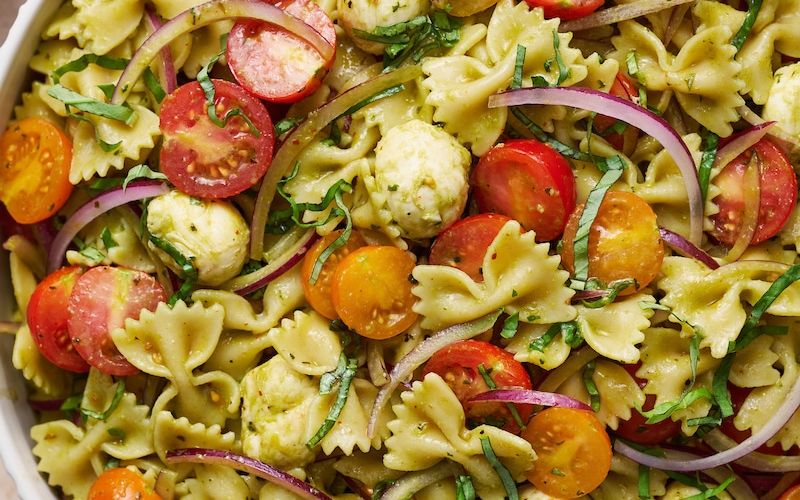
Short, ridged shapes like rotini, farfalle, and penne hold dressing far better than long noodles. Their curves and grooves trap small bits of dressing and vegetables, which is why most homemade pasta salad recipes call for one of these three shapes rather than spaghetti or linguine.
Dressing Options
Mayonnaise-based dressings give a creamy, tangy result and work well with tuna or ham; oil-and-vinegar dressings taste lighter and hold up better in warm weather, since dairy-based dressings can separate if left out too long. A basic vinaigrette of ¼ cup olive oil, 2 tablespoons red wine vinegar, 1 teaspoon Dijon mustard, and salt and pepper covers most variations.
Step-by-Step Pasta Salad Recipe Instructions
This section covers cooking the pasta, mixing in the extras, and chilling everything so the flavors settle — the exact order matters more than most home cooks expect for a properly balanced pasta salad recipe.
Cooking & Cooling the Pasta
Bring 4 liters of salted water to a rolling boil and cook the pasta 1 minute short of the package's al dente time — usually 9–10 minutes for penne or rotini. Drain immediately and rinse under cold running water for about 30 seconds to stop the cooking and wash away excess surface starch, which otherwise makes the salad gummy once chilled.
Mixing in Vegetables and Protein
While the pasta cools to room temperature, dice the vegetables into pieces roughly the same size as the pasta shape so every bite gets a mix of textures. Add the protein at this stage rather than at the end, so it has time to absorb some of the dressing during chilling.
Dressing and Chilling for Best Flavor
Toss the pasta with about two-thirds of the dressing while it's still slightly warm; warm pasta absorbs dressing more evenly than cold pasta, a small trick that noticeably improves flavor distribution. Cover and refrigerate for at least 1 hour, ideally 2–3 hours, then stir in the remaining dressing just before serving to refresh the coating.
Popular Pasta Salad Variations
Once the base method is down, swapping ingredients turns one dish into five. Each variation below uses a different dressing style and protein, making it easy to match the salad to the occasion.
Greek Pasta Salad
Greek pasta salad swaps the standard vegetables for cucumber, cherry tomatoes, red onion, kalamata olives, and crumbled feta, dressed with a lemon-oregano vinaigrette (3 tablespoons olive oil, juice of 1 lemon, 1 teaspoon dried oregano, salt). It's a naturally vegetarian option that keeps well for 3–4 days refrigerated.
Tuna Pasta Salad
Tuna pasta salad uses two 5-ounce cans of drained tuna folded into a mayonnaise-based dressing along with celery, red onion, and a squeeze of lemon juice. This version delivers roughly 20g of protein per serving, making it a filling, quick-assembly lunch — the USDA's FoodData Central database is a useful reference for checking exact nutrient values for the specific tuna and pasta brands used.
Tortellini Pasta Salad
Swapping dried pasta for fresh or frozen cheese tortellini turns this into a heartier tortellini pasta salad, well suited to potlucks where a more filling dish is expected. Cook tortellini according to package directions (usually 2–3 minutes if fresh, 8–10 minutes if frozen), then toss with a lighter vinaigrette so the cheese filling isn't overwhelmed by heavy dressing.
Cold Pasta Salad for Summer
For a lighter, warm-weather version, skip the mayonnaise entirely and dress a cold pasta salad with olive oil, fresh herbs, and lemon juice, then load it with raw vegetables like zucchini ribbons, corn, and cherry tomatoes. This style holds up better than creamy versions when left out briefly at a picnic, though the FDA's two-hour rule for perishable food still applies.
Comparison Table: Pasta Salad Variations at a Glance
Choosing between these four styles usually comes down to occasion, dietary preference, and how long the dish needs to sit out. The table below summarizes the main differences across these best pasta salad recipes.
| Variation | Base Dressing | Protein | Fridge Life | Best For |
|---|---|---|---|---|
| Greek Pasta Salad | Lemon-oregano vinaigrette | Feta (optional chicken) | 3–4 days | Mediterranean-style meals |
| Tuna Pasta Salad | Creamy mayo-based | Canned tuna | 2–3 days | Quick, protein-rich lunch |
| Tortellini Pasta Salad | Light vinaigrette | Cheese tortellini | 3 days | Hearty potluck dish |
| Cold Pasta Salad | Olive oil vinaigrette | Optional veggies only | 4–5 days | Summer picnics, BBQs |
Tips for the Best Pasta Salad Recipe
A few small habits consistently separate a mediocre batch from a genuinely nice pasta salad. First, never skip the cold-water rinse after draining — it stops residual cooking and prevents mushy noodles. Second, dress the pasta while it's still slightly warm so it absorbs flavor instead of just sitting coated on the surface. Third, taste and re-season after chilling, since cold temperatures dull salt and acidity, meaning a salad that tasted perfectly seasoned warm often needs an extra pinch of salt or squeeze of lemon before serving. Finally, hold back a portion of the dressing to stir in right before serving; pasta continues absorbing liquid in the fridge, and a fresh splash keeps the dish from looking dry. These tips apply equally whether the goal is a quick weeknight pasta dinner salad or a large batch for a weekend gathering — for more easy weeknight options, see the dinner recipes collection.
Storage and Make-Ahead Tips
Pasta salad is one of the easier make-ahead dishes: prepare it up to 24 hours in advance and let the flavors develop in the fridge before serving. Store it in an airtight container at or below 40°F (4°C), where it will keep safely for 3–4 days according to general FDA food storage guidance. Freezing isn't recommended, particularly for mayonnaise-based versions, since the dressing separates and the vegetables turn watery once thawed. If serving outdoors, remember the standard rule that perishable dishes shouldn't sit at room temperature for more than two hours, or one hour above 90°F (32°C).
Tags