Gluten Free Pizza Crust Recipe: How to Get It Crispy Without Crumbling
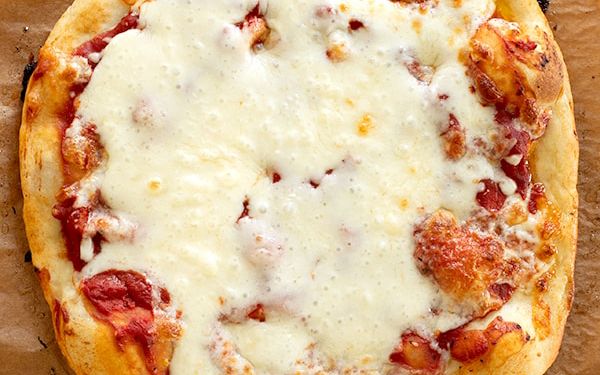
This gluten free pizza crust recipe gets crispy edges without xanthan gum drama — homemade, easy to shape, and holds toppings without falling apart.
Most people who search for a gluten free pizza crust recipe have already tried at least one version that failed in a specific, predictable way: the center comes out gummy and undercooked even though the edges look done, or the whole thing is so dry it cracks when a slice is lifted. Neither of these outcomes is inevitable, and both trace back to the same two variables — flour choice and the par-bake technique. This guide covers both, along with how to adjust for crispy versus chewy, what to do when xanthan gum is off the table, and the troubleshooting fixes that make the second attempt considerably better than the first.
Why Gluten Free Pizza Dough Behaves Differently
In a conventional wheat-based pizza dough, gluten is the protein network that forms when flour and water are mixed and worked — it stretches without snapping, traps the gas produced by yeast, and gives the baked crust that elastic, chewy pull. Gluten free pizza dough has none of this network, which is why it can't be hand-tossed, tends to crack when bent, and needs a structural replacer to hold together at all.
The two most common structural replacers in gluten free baking are xanthan gum and psyllium husk, and they behave differently. Xanthan gum acts as a thickener and binder — it makes the dough sticky and somewhat elastic, but overuse produces a gummy, almost slimy texture in the finished crust. Psyllium husk adds a gelatinous binding quality that more closely resembles a dough's natural behavior when hydrated — it produces a slightly denser result but without the slipperiness of excess xanthan. Both work; the choice depends on which texture outcome is preferred and whether xanthan gum is being avoided for digestive reasons.
If you're also learning how gluten-free dough behaves in other baked recipes, see our Gluten Free Bread Recipe: Soft, Sliceable, and Worth Making Again for a bread-focused approach to getting a soft, well-structured gluten-free result.
Choosing the Right Gluten Free Flour
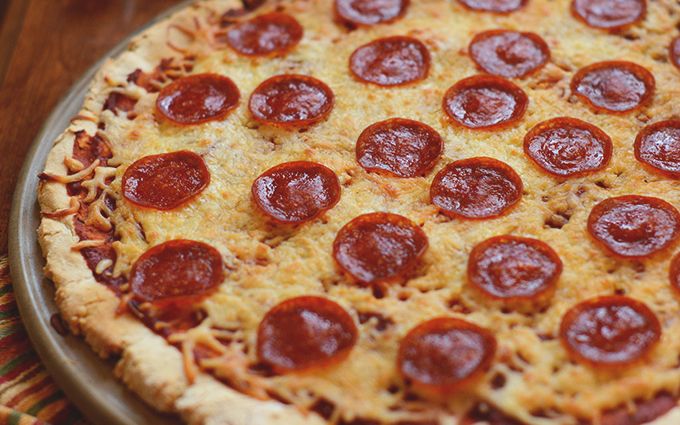
Flour selection is the most consequential decision in any gluten free pizza crust with gluten free flour, because the different starch structures in different grain or nut flours produce dramatically different crusts from the same method and oven temperature.
Pre-Blended Flour vs. Single Flours
A pre-blended gluten free all purpose flour — typically combining rice flour, tapioca starch, and potato starch — is the most reliable starting point for a first-time homemade gluten free pizza crust, since the blend is already balanced for structure and the starches work together to produce something close to wheat crust behavior. Building a blend from single flours (rice flour alone, almond flour, chickpea flour) requires more trial and error because each single flour has its own water absorption rate and texture outcome that changes when toppings and heat are applied.
Almond Flour vs. Rice Flour Crust
Almond flour produces a soft, slightly dense, inherently rich base with a faint nuttiness — better for a thicker, focaccia-adjacent style than for a thin crispy crust, since it doesn't crisp the same way starch-based flours do. Rice flour blends get much closer to conventional wheat crust texture because their starch content behaves more similarly to wheat starch during baking. For the crispiest possible result, a rice-starch-tapioca blend outperforms almond flour every time.
Easy Gluten Free Pizza Crust Recipe — The Base Method
A standard gluten free pizza dough recipe for one 12-inch (30cm) pizza: 2 cups (280g) 1:1 GF flour blend, 1 teaspoon xanthan gum (skip if the blend already contains it — check the label), 1 teaspoon instant yeast, ½ teaspoon salt, 1 teaspoon sugar, ¾ cup (180ml) warm water (around 38°C/100°F), and 2 tablespoons (30ml) olive oil. Mix until a soft, slightly sticky dough forms — it won't look like wheat pizza dough, it will be more paste-like, and that's correct. Let it rest for 10–15 minutes so the starches hydrate fully.
The Par-Bake Step (Why It's Non-Negotiable)
Transfer the dough to a parchment-lined baking sheet or pizza pan and press or roll it out to about 5–6mm (¼ inch) thickness. Bake in a preheated oven at 220°C (425°F) for 10–12 minutes before adding any sauce or toppings — this is the par-bake step, and it's the single most effective technique for achieving a genuinely crispy pizza crust rather than a wet, gummy undercarriage. The par-bake sets the crust's structure, drives off surface moisture, and creates a firm base that can hold sauce and cheese without collapsing. Skipping this step and baking the fully topped pizza from raw dough produces exactly the gummy result most people are trying to fix.
How to Shape Gluten Free Dough
GF dough doesn't stretch or hand-toss — attempting to stretch it like wheat dough just tears it. Press the dough outward from the center using oiled fingers or the back of a spoon, or roll it between two sheets of parchment to the desired thickness. Either method works; the parchment rolling produces more even thickness across the whole surface.
Crispy vs. Chewy — Two Approaches to the Same Base Recipe
Small adjustments to the same base recipe produce distinctly different texture outcomes.
For Maximum Crispiness
For a crispy gluten free pizza crust recipe, reduce the water in the base recipe by 2 tablespoons (30ml), spread the dough thinner (3–4mm/⅛ inch), and bake at a higher temperature — 240–260°C (465–500°F) — on a preheated pizza stone or steel if available, since the immediate burst of bottom heat is what crisps the underside in the same way a hot stone works for wheat pizza. Par-bake for 12–15 minutes at this temperature before adding toppings.
For a Chewier Bite
A chewy gluten free pizza crust recipe needs slightly higher hydration (add 1–2 extra tablespoons of water), a thicker spread (8–10mm/⅓–⅖ inch), and psyllium husk in the dough — about 1 tablespoon of ground psyllium husk per 2 cups of flour — which adds the elasticity that produces chew in the finished crust. Bake at a moderate temperature of 200–220°C (400–425°F) for a longer time: 15 minutes for the par-bake, then 15 more minutes after toppings are added.
Gluten Free Pizza Crust Without Xanthan Gum
Gluten free pizza crust without xanthan gum is entirely achievable — some people avoid xanthan gum due to digestive sensitivity (particularly those with corn allergies, since xanthan is often corn-derived), and the psyllium husk substitute actually produces a texture many bakers prefer. Use 1–2 teaspoons of ground psyllium husk (not whole psyllium, which binds less tightly) in place of the xanthan gum called for in the recipe. Psyllium husk hydrates into a gel that acts as both binder and structure-builder — it produces a slightly more breadlike interior without the sticky, gummy surface that too much xanthan can create. Flax eggs (1 tablespoon ground flaxseed mixed with 3 tablespoons water, left to gel for 5 minutes) provide binding but significantly less elasticity than either xanthan or psyllium.
How to Make Gluten Free Pizza Crust — Troubleshooting Common Failures
Specific fixes for the problems that show up most often when learning how to make gluten free pizza crust:
Dough sticking to the parchment: The dough is too wet or the parchment wasn't oiled. Lightly oil the parchment before pressing the dough out, or roll between two sheets and peel the top sheet away slowly after shaping.
Crust puffing unevenly: Air trapped under the dough creates bubbles during baking. Dock the shaped crust thoroughly with a fork before the par-bake — pressing holes every 2cm across the whole surface prevents large pockets from forming.
Crust looks done but collapses under toppings: The par-bake time wasn't long enough to drive off internal moisture. Extend the par-bake by 3–5 minutes, and make sure the crust looks and feels dry on the surface before adding any sauce.
Edges cracking when transferring to the oven: The dough rested too long without being covered, drying out the surface. Always cover the resting dough with a damp cloth or plastic wrap.
Gluten Free Flour Types for Pizza Crust at a Glance
Choosing a gluten free pizza base flour depends on whether the priority is texture, dietary requirements, or how the crust needs to behave when picked up.
| Flour Type | Texture Result | Binding Needed | Best For |
|---|---|---|---|
| 1:1 GF Blend (rice/tapioca/potato) | Closest to wheat crust | Xanthan or psyllium | Everyday crispy crust |
| Almond Flour | Soft, dense, slightly nutty | Egg (binding) | Low-carb, grain-free |
| Chickpea Flour | Dense, savory, protein-rich | Optional psyllium | Thin crispy base |
| Oat Flour (GF certified) | Slightly chewy | Psyllium husk | Chewier, heartier crust |
| Cassava Flour | Pliable, closest to wheat | Minimal | Fold-able slices |
Gluten Free Pizza Toppings and Baking Tips
The toppings matter as much as the crust when the goal is a gluten free pizza crust recipe that holds its crispness through the whole meal. Wet sauce is the primary enemy — spread no more than 3–4 tablespoons of sauce on a 12-inch crust, and if the sauce looks thin or watery, reduce it in a pan for a few minutes before using it. High-moisture toppings like mushrooms, zucchini, and fresh tomatoes release liquid during baking — pre-cook or roast them briefly before adding to the par-baked crust so they go on dry rather than releasing moisture onto the crust during the final bake.
Baking vessel choice makes a genuine difference: a perforated pizza pan allows hot air to circulate under the crust, a preheated pizza stone or steel provides immediate bottom heat, and both produce crisper results than a standard solid baking sheet. Finish the baked pizza under the broiler for 2–3 minutes to blister the cheese and crisp any exposed crust edges — this is the homemade pizza technique that produces the visual result most people associate with a well-made pizza.
FAQ
What is the best flour for gluten free pizza crust?
A pre-blended 1:1 gluten-free flour mix (typically rice flour, tapioca starch, and potato starch) produces the result closest to a conventional wheat pizza crust. These blends are widely available and most already contain xanthan gum. Single-flour options like almond flour or cassava flour produce good results but with distinctly different textures.
Can you make gluten free pizza crust without xanthan gum?
Yes — psyllium husk is the most effective substitute, adding elasticity and binding without the gummy aftertaste that too much xanthan gum can produce. Use 1–2 teaspoons of ground psyllium husk in place of the xanthan gum called for in most recipes. Flax eggs (1 tbsp ground flax + 3 tbsp water) also work but produce less stretch.
Why is my gluten free pizza crust gummy?
Gummy crust usually comes from too much moisture in the dough, not par-baking the crust before adding toppings, or using too much xanthan gum. Par-baking the shaped crust alone for 10–12 minutes before adding sauce and toppings allows surface moisture to escape and sets the structure before it gets loaded with wet ingredients.
Can gluten free pizza crust be made ahead?
Yes — the par-baked crust (baked without toppings) cools completely and can be frozen for up to 1 month. Add toppings and bake directly from frozen, adding 5 extra minutes to the final bake. Unbaked GF dough can be refrigerated for up to 24 hours wrapped tightly.
Does this gluten free pizza crust recipe taste different from regular crust?
The texture is slightly different — most GF crusts are a little more tender and less chewy than wheat crusts, with a faint rice or starchy flavor from the flour blend. High-temperature baking, a pizza stone, and the par-bake technique minimize the difference significantly. Most people find a well-made GF crust satisfying, especially when topped well.
The practical hierarchy for a gluten free pizza crust recipe that actually works is flour first, binder second, par-bake third. Get all three right and the gummy-or-crumbly problem disappears. Start with a reputable 1:1 GF flour blend, reach for psyllium husk if xanthan gum is an issue, and never skip the par-bake when there's anything wet going on top. The first attempt teaches the oven and the dough; the second one almost always comes out right. A pasta salad recipe works well as a cold side for pizza night, and for dessert, the 2 ingredient yogurt dessert is a no-bake finish that comes together while the pizza is still in the oven.