Mango Chutney: Two Styles, One Method, and a Dozen Ways to Use It
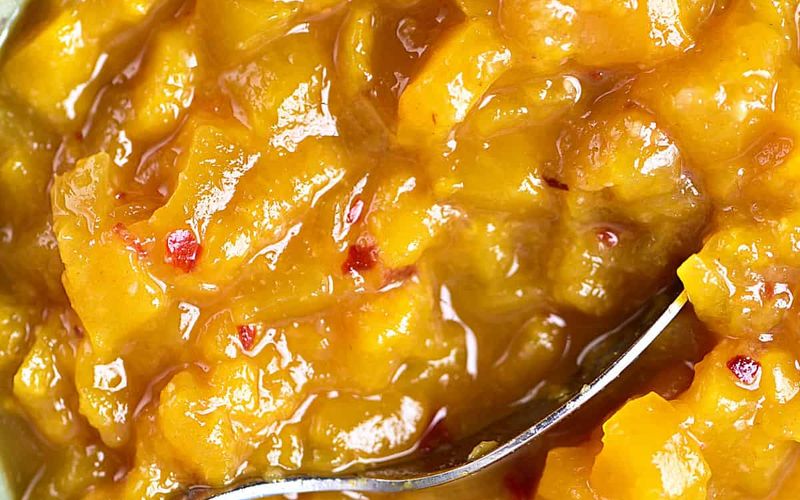
This mango chutney recipe covers the sweet-spiced version and the tangy Indian style — plus what to serve it with when the jar runs out fast.
The phrase mango chutney covers more ground than most people realize. The sweet, amber-colored version spooned alongside poppadoms at an Indian restaurant is a cooked preserve with sugar and vinegar — made to last weeks on the shelf. The sharp, herbaceous green version blended with coriander and chili in South Asian households is a same-day fresh sauce with none of those preserving ingredients at all. Both deserve to be called mango chutney, and both are genuinely useful in the kitchen. This guide covers what goes into each style, how to make the cooked version from start to sealed jar, the variations worth trying, and what actually makes the finished condiment worth the effort beyond a single dinner.
What Actually Goes Into Mango Chutney
The chutney ingredients that appear across every style share a short list: mango (ripe or green depending on the version), a sweetener (white sugar, brown sugar, or jaggery), an acid (vinegar for cooked versions, lemon juice for fresh), ginger, garlic, dried or fresh chili, and a small number of warm spices — cumin, coriander seed, mustard seed, and occasionally cinnamon or cloves. What makes a chutney sauce different from a mango relish is mostly the cooking time and the vinegar-to-sugar ratio: a proper cooked chutney simmers down until the liquid reduces significantly and the mixture thickens to a jammy, preserve-like consistency that gives it a shelf life measured in weeks. Mango relish tends to be chunkier and less cooked, designed to be eaten fresh within a few days rather than stored in a sealed jar.
The Indian Mango Chutney — Fresh vs. Cooked
The Indian mango chutney that exists in South Asian home kitchens divides into two versions that don't really overlap.
Green Mango (Kachchi Aam) Version
This is the fresh-ground or blended recipe chutney mango style — unripe green mango, green chili, a thumb of ginger, a handful of coriander leaf, a pinch of salt, and a small amount of sugar to blunt the mango's tartness. No cooking, no vinegar, no jarring. Blend or pound to a coarse paste, taste for salt and heat, and eat within two days. The unripe mango is what makes this work — its firm texture and aggressive sourness are the whole point. Browse more vegetarian recipes that pair well with this chutney for dishes that make a natural table companion to this style.
Cooked Indian Version
The cooked South Asian version uses ripe but firm mango chunks simmered with white vinegar, sugar, ginger, garlic, dried red chili, and cumin until the mixture reduces to a thick, jammy consistency. Unlike the fresh green version, this one tolerates being jarred and refrigerated for 2–3 weeks without any drop in quality, and the flavor often improves by the second or third day as the spices continue to work through the reduced fruit.
How to Make Mango Chutney — The British-Style Recipe
The mango chutney recipe most familiar to readers outside South Asia — the sweet, smooth, amber version — is a slightly different production than the Indian cooked version, leaning more on sweetness than heat and using white wine vinegar or malt vinegar rather than the sharper acidity common in Indian home recipes. A standard batch uses 2 large ripe mangoes (about 600g/1.3 lb of peeled, cubed flesh), 200g (1 cup) of white sugar, 120ml (½ cup) of white wine vinegar, 1 teaspoon freshly grated ginger, 2 cloves garlic (minced), 1 teaspoon cumin, ½ teaspoon mustard seed, ½ teaspoon dried chili flakes, and a pinch of salt.
Getting the Consistency Right
Combine everything in a heavy-bottomed saucepan, bring to a boil, then reduce to a steady simmer. The how to make mango chutney process takes 25–35 minutes of active simmering, stirring every few minutes to prevent the bottom from catching once the sugar concentrates. The chutney is ready when a spoon dragged across the surface leaves a clean trail that holds for a few seconds rather than immediately filling back in with liquid.
Balancing Sweet, Sour, and Heat
Taste the chutney just before jarring — if it's too sharp, stir in an extra tablespoon of sugar and simmer for two more minutes; if it tastes flat, add a small splash of vinegar; if it lacks heat, a pinch of extra chili flakes. These adjustments work better at the end of cooking than at the beginning, since both sweetness and acidity concentrate significantly during the reduction.
Making It Shelf-Stable
For a batch meant to last longer than two weeks, sterilize the jars first: wash them in hot soapy water, then place them upright on a baking tray in the oven at 110°C (230°F) for 15 minutes. Ladle the hot chutney into the hot jars immediately, seal tightly, and invert for a few minutes before cooling. For a fully shelf-stable result processed through a water-bath method, the USDA Complete Guide to Home Canning specifies processing times and pH requirements for high-acid fruit preserves — chutney's vinegar content typically places it within safe range, but exact processing time should be confirmed against that guide for the specific recipe.
Indian Chutney Recipe Variations — Beyond the Jar
Once the base method is solid, the variations mostly involve swapping one souring agent or one spice combination for another.
Recipe Chutney Mango with Tamarind
Replacing half the white vinegar with 1 tablespoon of tamarind paste introduces a deeper, earthier sourness that white vinegar alone doesn't produce. This is the direction Indian chutney recipe variations take in Rajasthani and Gujarati cooking, where tamarind is a more common souring agent than vinegar. It also produces a slightly darker color.
Quick Fresh Chutney for Weeknight Use
Blend 1 ripe mango (cubed), ½ inch ginger, 1 green chili, the juice of half a lemon, a handful of coriander, and a pinch of salt until the texture reaches a coarse sauce. This version is ready in 5 minutes and keeps for 2–3 days refrigerated — genuinely useful when a ripe mango needs using up and dinner needs a condiment faster than a cooked batch can come together.
Adding Dried Fruit or Raisins
Stirring in 3 tablespoons of golden raisins or sultanas during the last 10 minutes of cooking adds sweetness and textural contrast — this is the version most familiar from mass-produced jarred mango chutneys sold in international supermarkets. The raisins plump in the syrupy liquid and break down slightly, providing a chewier, fruitier character.
Mango Chutney Styles at a Glance
The most consequential decisions in any mango chutney recipe come down to mango ripeness, cooking method, and intended shelf life — not the specific spices, which are flexible.

| Style | Mango Used | Cooked? | Shelf Life | Best Served With |
|---|---|---|---|---|
| Fresh Green (Indian) | Unripe green mango | No | 1–2 days | Snacks, chaat, street food |
| Cooked Indian Style | Ripe, firm mango | Yes | 2–3 weeks refrigerated | Curries, rice, flatbreads |
| British-Style Sweet | Ripe mango | Yes (longer) | 6–12 months sealed | Cheese boards, poppadoms, roast meats |
| Quick Fresh Blended | Ripe mango | No | 2–3 days | Sandwiches, wraps, quick meals |
What to Eat With Mango Chutney
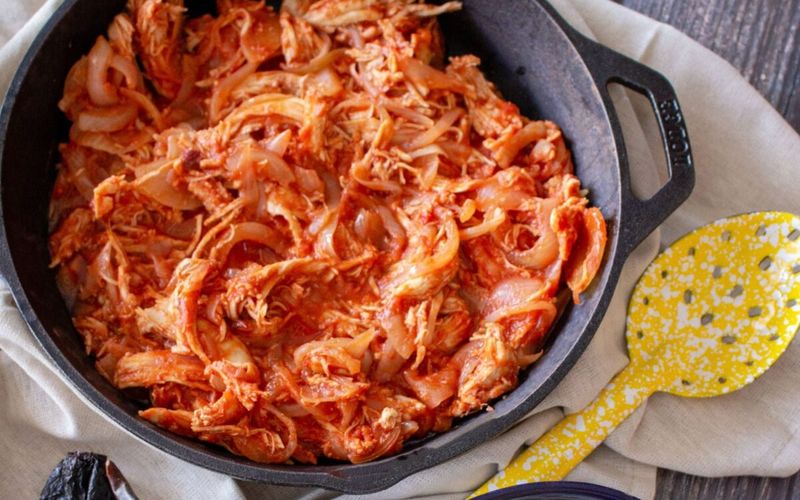
Most people reach for mango chutney with curry and stop there, which is a waste of a jar that took 40 minutes to make. Brushed over chicken thighs or a pork tenderloin in the last 5 minutes on the grill, the sugar in the chutney caramelizes against the heat and the mango flavor intensifies — exactly the same mechanism as using pepper jelly as a glaze, another sweet-spiced preserve worth keeping on the same fridge shelf. Stirred into plain yogurt with a pinch of cumin, it becomes a dipping sauce for samosas or grilled vegetables. Spread on a slice of aged cheddar or brie alongside a crusty base, it becomes the most useful thing on a cheese board. The garlic bread recipealso provides a good base for a mango chutney and cheese combination — spread the chutney instead of butter before adding cheese and broiling. For something more substantial, use the cooked version as a sandwich spread with roasted chicken or leftover turkey. The chicken tinga recipe pairs well with mango chutney as a sweet-spiced contrast to the chipotle heat — serve both on the table and let each person layer them.
Storage, Canning, and How Long It Keeps
Refrigerated in an airtight container, cooked mango chutney keeps for 2–3 weeks. Fresh green or blended versions should be consumed within 1–2 days, since they contain no vinegar and their texture degrades quickly. A properly sterilized and sealed jar of the British-style cooked version stores at room temperature for 6–12 months; once opened, treat it like a refrigerated condiment and use within 2–3 weeks. For large batches going through a formal water-bath canning process, processing time and pH verification should be cross-referenced with the NCHFP/USDA guide before committing to long-term pantry storage.
FAQ
What is mango chutney made of?
Mango chutney is made from chopped mango cooked with sugar, vinegar, ginger, garlic, chili, and warm spices until the mixture reduces to a thick, jammy consistency. Fresh versions skip the cooking and vinegar entirely, using raw mango blended with green chili, coriander, and lemon juice for a same-day sauce.
Is mango chutney the same as mango relish?
Not quite. Mango chutney is typically cooked down with vinegar and sugar until it reaches a thick, preserve-like consistency, giving it a longer shelf life. Mango relish is usually chunkier, less cooked, and consumed fresh, without the same level of vinegar and sugar needed for longer preservation.
How long does homemade mango chutney last?
Refrigerated in an airtight container, cooked mango chutney keeps for 2–3 weeks. Properly processed in sterilized, sealed jars using a water-bath canning method, it can last up to 12 months in a cool, dark pantry. Fresh, uncooked green mango chutney keeps for only 1–2 days in the fridge.
Can you use ripe mango for chutney?
Yes — ripe, firm mango works best for the cooked British-style or Indian cooked version, since it softens and sweetens further during cooking. Overripe mango turns mushy too quickly in the pot. For fresh green chutney, unripe mango is essential, since its tartness and firm texture define the dish.
What does mango chutney taste like?
A good cooked mango chutney balances sweet, sour, and mildly spicy notes — fruit-forward but not candy-sweet, with vinegar providing brightness and dried chili giving a gentle warmth at the back. Fresh green mango chutney is sharper and more herbal, with a pronounced sourness from the unripe mango and fresh coriander.
Mango chutney is one of the more forgiving preserves to make from scratch — it doesn't require precise temperature control, specialized equipment, or a long ingredient list that requires a special shop. The cooked version is the one worth starting with: it keeps longest, works across the widest range of uses, and outperforms most supermarket jars in both texture and depth of flavor. Once that batch is made and the method feels familiar, the 5-minute fresh blend is the version worth reaching for whenever a ripe mango sits on the counter and dinner needs a condiment with no preparation time to spare.
Tags