Healthy Blueberry Muffin Recipe: Moist, Fluffy & Wholesome
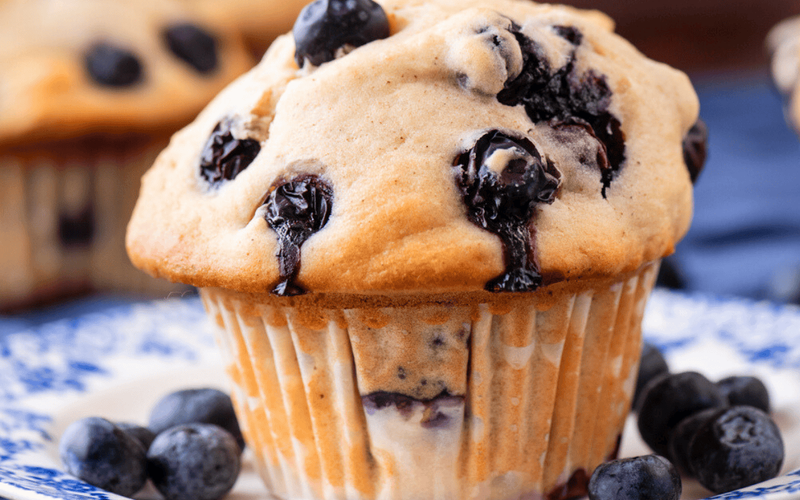
This healthy blueberry muffin recipe bakes up moist and fluffy with less sugar and whole grains — a simple, wholesome treat ready in 30 minutes.
A good healthy blueberry muffin recipe doesn't have to sacrifice the bakery-style dome or tender crumb that makes muffins worth baking in the first place. By swapping in whole wheat flour, cutting back on added sugar, and leaning on Greek yogurt for moisture, this version delivers a soft, fluffy muffin with noticeably more fiber than a standard recipe. This guide covers the ingredients, the exact method, five popular variations, and the small techniques that keep the blueberries suspended in the batter instead of sinking to the bottom.
What Makes a Blueberry Muffin "Healthy"?
A few targeted swaps separate a standard muffin from a lighter one: whole wheat or oat flour in place of all-purpose flour, reduced added sugar that leans on the blueberries' own sweetness, and Greek yogurt or applesauce replacing part of the butter or oil. None of these changes require specialty ingredients, which is part of what makes this approach realistic for a weekly bake rather than a once-a-year project. Framed this way, the difference between an average recipe and the best ever blueberry muffins recipe usually comes down to these few substitutions rather than a completely different method.
Ingredients for a Healthy Blueberry Muffin Recipe
A standard batch makes 12 medium muffins and uses 1¾ cups (210g) whole wheat pastry flour, 2 teaspoons baking powder, ½ teaspoon salt, ½ cup (100g) sugar or ⅓ cup (80ml) honey, 2 large eggs, ½ cup (120g) plain Greek yogurt, ½ cup (120ml) milk, ¼ cup (55g) melted butter or neutral oil, 1 teaspoon vanilla extract, and 1½ cups (220g) fresh or frozen blueberries. This combination keeps the recipe firmly in easy homemade blueberry muffins territory, since everything on the list is a common pantry or fridge staple.
Choosing the Right Flour
Whole wheat pastry flour gives a lighter texture than standard whole wheat flour, since it's milled from softer wheat with less gluten-forming protein, making it a good middle ground between all-purpose flour and a heavier whole grain. A 50/50 blend of whole wheat pastry flour and all-purpose flour also works well for anyone easing into whole grain baking, keeping most of the fiber benefit without a dense result.
Fresh vs. Frozen Blueberries
Fresh blueberries hold their shape better during mixing, but frozen berries work just as well and are often more affordable outside of peak summer season. The main risk with frozen berries is color bleeding into the batter and the berries sinking toward the bottom of each muffin — both of which are largely avoidable with the right prep step covered in the tips section below.
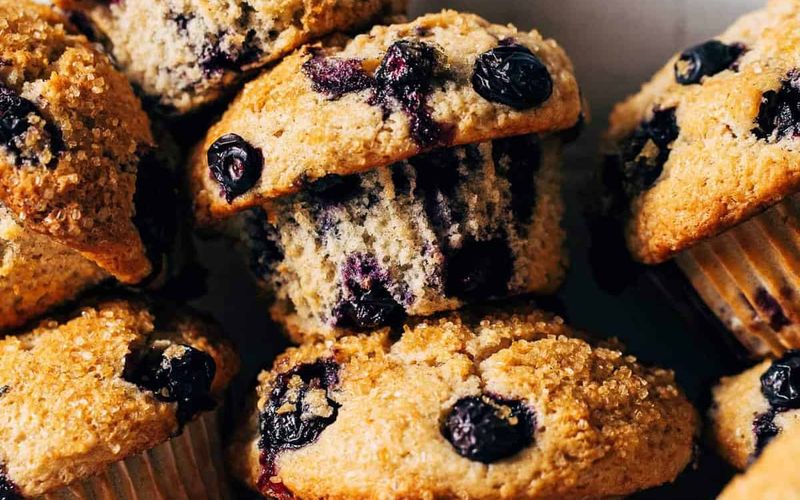
Step-by-Step Fluffy Blueberry Muffin Recipe Instructions
Getting a properly tall, tender muffin comes down to how gently the batter is mixed and how the oven temperature is managed early in the bake.
Mixing the Batter Without Overworking It
Whisk the dry ingredients (flour, baking powder, salt) together in one bowl, and the wet ingredients (sugar or honey, eggs, yogurt, milk, melted butter, vanilla) in another. Pour the wet mixture into the dry ingredients and stir with a spatula just until no streaks of flour remain — a few small lumps are fine and actually preferable, since overmixing develops gluten and produces a tougher, less fluffy blueberry muffin recipe result.
Folding in the Blueberries
Toss the blueberries in about 1 tablespoon of the measured flour before folding them into the batter, which coats their surface and helps prevent them from sinking during baking. Fold gently with just a few strokes, especially with frozen berries, since overworking the batter at this stage tints the entire mixture blue-gray.
Baking Temperature for a Good Rise
Fill greased or lined muffin cups about ¾ full and bake at 425°F (220°C) for the first 5 minutes, then reduce the oven temperature to 350°F (175°C) without opening the door, and continue baking for another 15–18 minutes. The initial blast of high heat gives the batter a quick rise before the structure sets, producing the taller, domed top associated with bakery-style muffins. A toothpick inserted into the center should come out clean or with a few moist crumbs attached.
Popular Variations
Once the base batter is dialed in, a handful of adjustments produce noticeably different muffins.
Jordan Marsh Blueberry Muffin Recipe Style
The oversized, crumb-topped muffin style associated with the New England department store Jordan Marsh has become a template many bakers reference for a bigger, bakery-style blueberry muffin. This lighter take on that jordan marsh blueberry muffin recipe style uses the same whole wheat base batter, baked in jumbo muffin tins for a larger, more generously domed result, with an optional light streusel topping of oats and a touch of brown sugar.
Lemon Blueberry Muffin Recipe
Adding the zest of 1 lemon and 1 tablespoon of fresh lemon juice to the wet ingredients brightens the batter considerably, giving this lemon blueberry muffin recipe variation a tangier profile that balances the blueberries' sweetness well.
Mini Blueberry Muffin Recipe
For a mini blueberry muffin recipe, use a mini muffin tin and reduce the bake time to about 10–12 minutes total after the initial high-heat blast, checking early since smaller muffins cook considerably faster than standard-size ones. This format works well for lunchboxes or portion-controlled snacking.
Blueberry Muffin Recipe with Frozen Blueberries
This blueberry muffin recipe with frozen blueberries follows the same method as the base recipe, with one key difference: add the berries straight from the freezer without thawing them first, since thawed berries release extra liquid that can thin out the batter and make the muffins gummy in the center.
Vegan Blueberry Muffin Recipe
A vegan blueberry muffin recipe swaps each egg for a flax egg (1 tablespoon ground flaxseed mixed with 3 tablespoons water, rested 5 minutes) and replaces the Greek yogurt and milk with plant-based versions like coconut yogurt and oat milk. The texture comes out slightly denser but still moist.
Comparison Table: Blueberry Muffin Variations at a Glance
Picking a variation usually comes down to occasion, dietary needs, or simply what's already in the kitchen. The table below summarizes the differences across these berry muffins recipes.
| Variation | Key Ingredient Swap | Dietary Fit | Best For |
|---|---|---|---|
| Classic Healthy Muffin | Whole wheat flour, less sugar | Standard, lower sugar | Everyday breakfast |
| Lemon Blueberry | Added lemon zest and juice | Standard | Brighter, tangier flavor |
| Mini Muffins | Smaller portions, shorter bake | Standard | Lunchboxes, portion control |
| Frozen Blueberry | Frozen berries tossed in flour | Standard | Year-round baking |
| Vegan Muffins | Flax eggs, plant-based yogurt/milk | Vegan, dairy-free | Plant-based diets |
Tips for the Best Healthy Blueberry Muffin Recipe
A handful of small habits reliably improve results across every variation above. Don't overmix once the flour is added — a few visible lumps in the batter keep the crumb tender rather than dense and chewy. Toss the blueberries in a tablespoon of flour before folding them in, which helps keep them suspended through the batter instead of settling in a soggy layer at the bottom of each muffin. Start baking at a higher temperature for the first 5 minutes to encourage a taller dome, then drop the oven temperature to finish cooking through without over-browning the tops. These habits apply to any easy blue berry muffins variation covered above, whether it's the lemon version, the mini format, or the vegan swap — and for a fuller breakfast spread, this healthy pancake recipe pairs well alongside a warm muffin.
Storage and Freezing Tips
Blueberry muffins stay fresh for about 2 days at room temperature in an airtight container, based on typical recipe-testing observations for muffins made with fresh fruit and less added sugar than a standard recipe. Refrigerating extends that to about a week, though the texture firms up slightly compared to room-temperature storage. According to general USDA food storage guidance, keeping baked goods tightly wrapped or sealed slows moisture loss and helps preserve texture longer. For longer storage, muffins freeze well for up to 3 months; thaw at room temperature or warm briefly in a 300°F (150°C) oven for about 10 minutes to refresh the crumb.
FAQ
How do you make blueberry muffins healthier?
Swap all-purpose flour for whole wheat or a whole wheat blend, reduce added sugar by relying partly on the blueberries' natural sweetness, and replace some butter or oil with Greek yogurt or applesauce. These changes lower sugar and fat content while adding fiber, without sacrificing a moist, tender crumb.
Can you use frozen blueberries instead of fresh?
Yes, frozen blueberries work well and are often more convenient year-round. Add them straight from the freezer without thawing, and toss them in a tablespoon of flour first to help prevent the batter from turning blue and to stop the berries from sinking during baking.
Why do my blueberry muffins sink or turn dense?
Dense or sunken muffins usually result from overmixing the batter once flour is added, which develops too much gluten. Using cold butter that hasn't creamed properly, or opening the oven door too early during baking, can also cause muffins to collapse in the center as they cool.
Can blueberry muffins be made vegan?
Yes, a vegan blueberry muffin recipe typically swaps eggs for flax eggs (one tablespoon ground flaxseed mixed with three tablespoons water) and replaces dairy milk and yogurt with plant-based alternatives like oat milk and coconut yogurt. The texture stays moist, though slightly denser than the egg-based version.
How long do blueberry muffins stay fresh?
Blueberry muffins stay fresh for about 2 days at room temperature in an airtight container, or up to a week when refrigerated. For longer storage, they freeze well for up to 3 months and can be thawed at room temperature or warmed briefly in the oven.
Conclusion
This healthy blueberry muffin recipe proves that a bakery-style muffin doesn't need a full cup of sugar or all-purpose flour to hit that moist, fluffy texture people expect. The base batter stays reliable across every direction it's taken — a bright lemon version, a smaller mini-muffin format, a frozen-berry approach for year-round baking, or a fully vegan swap. Try the classic version first, then branch out from there depending on the occasion; for another moist, fruit-based bake worth trying next, this banana nut bread recipe follows a similar wholesome approach.
Tags