Janmashtami Recipes: What to Fast On, What to Offer, and What to Cook for the Feast
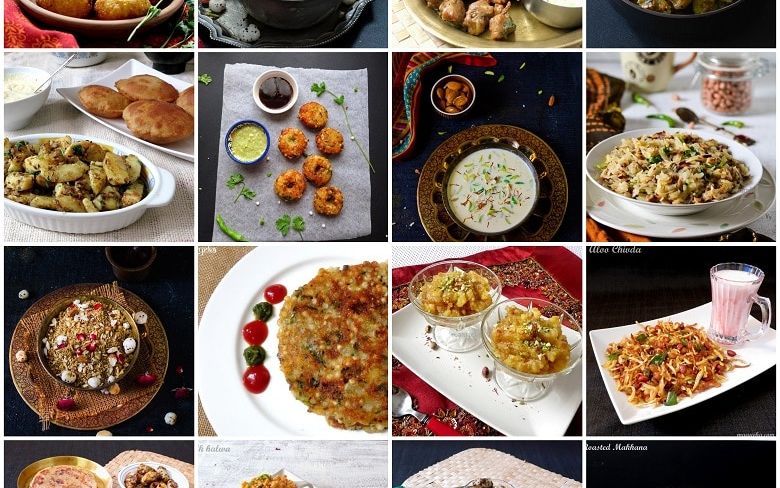
From makhana kheer to sabudana khichdi, these Janmashtami recipes cover everything — fasting dishes, bhog sweets, and what to make for 2026.
Janmashtami marks the birth of Lord Krishna and is observed across India and among Hindu communities worldwide with a day of fasting, a midnight puja at the moment of his birth, and a celebratory meal that breaks the fast once the ritual is complete. The food for this occasion splits into three distinct stages: the vrat food that sustains the day, the bhog sweets prepared for the midnight offering, and the post-midnight meal eaten by the family. These Janmashtami recipes cover all three, including the most reliable options for Janmashtami recipes 2026, which falls at the same point in the monsoon-to-harvest season that has shaped these dishes for generations.
Understanding the Food Rules for Janmashtami Fasting
Before getting into specific dishes, the fasting framework needs to be clear — because every ingredient choice in the sections below follows from these rules. Janmashtami fasting recipes operate on a grain-free, allium-free basis: no wheat, no rice, no corn, no regular table salt. Sendha namak (rock salt or Himalayan pink salt) replaces regular salt in all vrat cooking. Onion and garlic are also excluded. Many observers also avoid certain vegetables including regular potatoes (though some regional traditions permit them), and stick to permitted starches like sabudana (tapioca pearls), makhana (foxnuts), singhara (water chestnut flour), and rajgira (amaranth flour).
Vrat rules vary between families, regions, and levels of observance — some fast completely until midnight, while others eat one cooked vrat meal during the day. The grain-free, sendha namak framework is the common baseline across most of India.
Vrat Recipes for Janmashtami — What to Eat During the Fast
These are the dishes that appear on almost every Janmashtami table across North India — and for good reason. Each one is genuinely filling, doesn't require grains, and uses ingredients widely available during the monsoon months.
Sabudana Khichdi
One of the most common vrat recipes for Janmashtami, sabudana khichdi starts with sabudana pearls soaked in cold water for 4–6 hours until swollen and soft enough to press apart between two fingers without a hard center. Drain thoroughly — soggy, un-drained sabudana turns the dish sticky and clumped. In a kadhai or heavy pan, heat 1 tablespoon of ghee over medium heat, add 1 teaspoon of cumin seeds and let them pop, then add 1–2 chopped green chilies and 1 medium boiled potato (diced, optional based on family vrat rules). Add the drained sabudana along with ½ cup roasted and coarsely crushed peanuts, ½ teaspoon sendha namak, and a squeeze of lemon juice. Toss on medium heat for 4–5 minutes until the pearls turn slightly translucent and separate. Finish with fresh coriander leaves. This is reliable, filling, and ready in under 20 minutes once the soaking is done.
Makhana Kheer
Makhana (foxnuts, also called lotus seeds) are one of the most useful fasting ingredients — high in carbohydrates and light in texture, they cook into a gentle, creamy kheer that works as both a mid-day sustaining dish and a bhog offering at midnight. Dry-roast 1½ cups (about 75g) of makhana in a small amount of ghee until lightly crisp, about 5–7 minutes. Crush roughly — not powdered, just broken into smaller pieces. Add to 1 liter (4 cups) of full-fat milk simmering over medium-low heat, and cook for 15–20 minutes until the makhana softens and the milk reduces slightly. Stir in 3 tablespoons of sugar, ¼ teaspoon cardamom powder, and a pinch of saffron if available. According to USDA FoodData Central, lotus seeds provide meaningful carbohydrates and a small amount of protein per serving — a useful reference for a global audience less familiar with makhana as a daily food ingredient.
Singhare Atte Ki Puri
Singhara atta (water chestnut flour) produces a brownish, slightly dense puri that's permitted across most Janmashtami vrat observances since singhara is a corm, not a grain. Mix 1 cup (about 130g) singhara atta with sendha namak and enough water to make a firm dough. Roll into small circles, about 4 inches (10cm) across, and fry in ghee over medium heat until puffed and golden — roughly 1–2 minutes per side. These are best eaten immediately and work well alongside a simple yogurt or aloo vrat sabzi.
Fruit Chaat and Nut Mixes
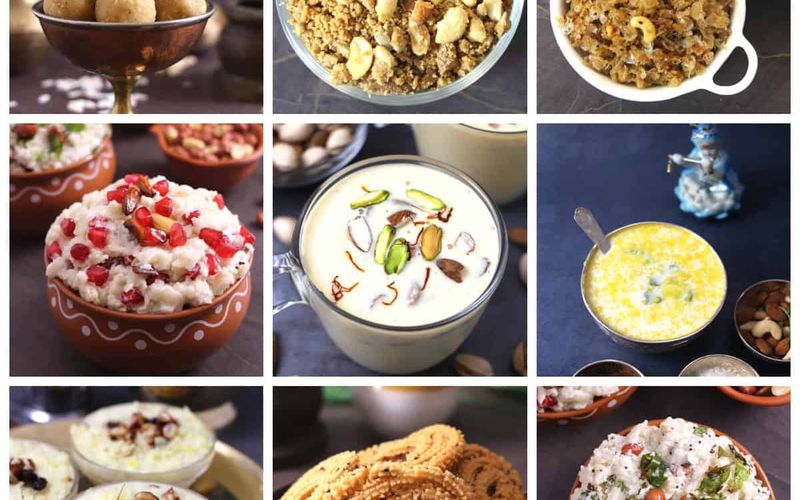
For lighter vrat food options — particularly for children, elderly family members, or those observing a stricter fast with minimal cooked food — a simple fruit chaat with seasonal fruit (banana, apple, pomegranate, grapes), a squeeze of lemon, and a pinch of sendha namak takes under 5 minutes. A dry-roasted makhana mix with cashews, almonds, and a light dusting of sendha namak and black pepper offers something savory and snackable throughout the day without any cooking beyond the initial roast. A sprouts salad — made without onion, garlic, or regular salt, and dressed with lemon and sendha namak — also works as a light, permitted fasting option when kept grain-free.
Krishna Bhog Recipes — What Gets Offered at Midnight
The Krishna bhog recipes prepared for the midnight puja center on dairy — butter, milk, yogurt, ghee — since devotional texts and temple traditions consistently associate Krishna with these ingredients. The bhog is assembled and placed before the deity at midnight; it becomes prasad after the puja.
Makhan Mishri (Butter and Sugar)
The simplest and most traditional of all Krishna bhog recipes: fresh white butter (homemade or store-bought, unsalted) mixed with mishri (rock sugar crystals). No cooking needed. The proportion is roughly equal by volume — a small bowl of white butter with an equal or slightly smaller amount of mishri broken into smaller pieces or left in coarser chunks. This is the single most referenced offering in Krishna Janmashtami recipes across devotional traditions.
Panchamrit
Panchamrit is the five-ingredient mixture used both for the ritual bathing of the deity and as a small prasad offering. The standard proportion per small batch: 5 tablespoons whole milk, 1 tablespoon yogurt, 1 teaspoon ghee, 1 teaspoon honey, and 1 teaspoon sugar or mishri, combined gently. The sequence matters in some traditions — milk first, then yogurt, then the remaining three — though the ingredients themselves are consistent across most variations.
Dhaniya Panjiri
Dhaniya panjiri is specific to Janmashtami in a way that wheat-based panjiri is not. Dry-roast 1 cup (about 80g) of coriander powder (dhaniya) in a heavy pan over low heat for 3–4 minutes until the raw smell softens. Remove from heat, add ½ cup (60g) powdered sugar, 3 tablespoons ghee (warm enough to mix), and a handful of chopped almonds and raisins. Mix well — the mixture should come together into a slightly loose, sandy texture. This is one of the Janmashtami sweets offered as bhog and distributed as prasad after the midnight puja.
Janmashtami Sweets for Bhog and Prasad
Beyond panchamrit and panjiri, the Janmashtami bhog recipes that appear most consistently as prasad involve concentrated dairy — primarily mawa and khoya-based sweets.
Mawa Peda
Peda is the sweet most associated with Krishna bhog in temple and home puja contexts across India. In a heavy-bottomed pan over medium-low heat, cook 250g of mawa (khoya) for 8–10 minutes, stirring continuously, until it dries out slightly and begins to come away from the sides of the pan. Add 80g (about 6 tablespoons) of powdered sugar and ¼ teaspoon of cardamom powder, stir for another 2–3 minutes until combined, then remove from heat. Cool until handleable, then roll into small rounds and flatten gently with a thumb or the back of a spoon. A batch this size makes 12–15 pedas, enough for a home puja and a small family's prasad.
Rice Kheer
The grain restriction for fasting does not apply to bhog preparation — the offering is for Krishna, not for the fasting observer. Rice kheer made with 3 tablespoons of washed basmati rice simmered in 1 liter (4 cups) of full-fat milk for 35–40 minutes over low heat, then sweetened with sugar and finished with cardamom, forms one of the most standard bhog items alongside peda and panjiri. Those fasting do not eat it during the fast; it's distributed as prasad after midnight.
Charnamrit and Mishri Prasad
Charnamrit is the liquid from the ritual bathing of the deity — the panchamrit used during the puja — distributed to devotees in small quantities. Mishri dissolved in water, or simply a few crystals of mishri distributed in a small piece of leaf or paper, often accompanies the prasad distribution alongside the food offerings.
Fasting Foods vs. Bhog Items at a Glance
The distinction between vrat food and bhog items shapes the entire Janmashtami kitchen — different ingredients, different timing, different recipients.
| Item | Category | Key Ingredient | Grain-Free | Best Served |
|---|---|---|---|---|
| Sabudana Khichdi | Vrat food | Sabudana (tapioca) | Yes | During the day |
| Makhana Kheer | Both | Makhana, milk | Yes | Daytime & bhog |
| Dhaniya Panjiri | Bhog | Coriander, ghee | Yes | Post-midnight prasad |
| Mawa Peda | Bhog | Khoya, sugar | Yes | Bhog offering, prasad |
| Rice Kheer | Bhog | Rice, milk | No | Bhog (not for fasting) |
| Singhare Atte Puri | Vrat food | Water chestnut flour | Yes | During the day |
Easy Janmashtami Food Ideas for Practical Kitchens
Not every household has the time or kitchen bandwidth to make every dish from scratch, and for easy Janmashtami food ideas, knowing what to prioritize helps. Mawa peda and dhaniya panjiri both improve significantly when homemade — their flavor and freshness from a good-quality homemade batch outperform packaged versions reliably enough to justify the effort. Both can be made the night before and kept covered at room temperature. Sabudana khichdi and makhana kheer, on the other hand, need to be made fresh on the day. The bhog sweets go into a clean vessel first thing in the morning and sit covered until midnight; the vrat food gets cooked in the afternoon when the fasting day is getting long.
For the post-fast meal, paneer is among the most popular main dishes — grain-free, protein-rich, and versatile. This paneer tikka masala recipe makes an excellent midnight feast dish once the fast breaks, particularly for families who want something festive beyond the basic dal-roti combination. Browse more vegetarian recipes to complement the Janmashtami spread for additional options that work across the day's different eating stages.
Tips for Cooking Janmashtami Food Correctly
Use sendha namak in every vrat recipe without exception — regular iodized table salt breaks the fast in most traditional observances, and it's easy to forget when cooking on autopilot. Use ghee or cold-pressed peanut oil for frying rather than refined oil. Where possible, keep the bhog preparation physically separate from the regular kitchen cooking — a clean, freshly wiped vessel, freshly washed hands, and ideally a separate part of the kitchen counter signals the distinction between devotional offering and household food. The sequence of preparation matters: bhog items prepared first and kept covered preserve their ritual integrity better than ones made alongside the rest of the family's lunch. Label or cover each prepared item clearly — peda for bhog, kheer for bhog, sabudana for fasting — so the midnight assembly doesn't become frantic.
FAQ
What is eaten during Janmashtami fasting?
During Janmashtami fasting, grains, onion, garlic, and regular salt are avoided. Common fasting foods include sabudana khichdi made with tapioca pearls, makhana (foxnut) dishes, singhara (water chestnut) flour rotis or puris, fresh fruit, dairy products like yogurt or milk, and sendha namak (rock salt) as the only permitted salt.
What is bhog in Janmashtami?
Bhog refers to the food offered to Lord Krishna as a devotional offering during the Janmashtami puja. Traditional bhog for Krishna typically includes makhan (white butter) with mishri (rock sugar), peda made from khoya, rice kheer, dhaniya panjiri, panchamrit, and other dairy-based sweets considered dear to Krishna in devotional tradition.
Can you eat rice during Janmashtami fast?
Most traditional observances of Janmashtami restrict all grains, including rice, during the fasting period. However, rice kheer and other rice-based items are prepared as bhog offerings for Krishna — the grain restriction applies to the fasting observer's personal consumption, not to what's prepared for the deity.
What is dhaniya panjiri?
Dhaniya panjiri is a Janmashtami-specific sweet made by dry-roasting ground coriander seeds (dhaniya powder) with ghee, sugar, and dry fruits like almonds and raisins. Unlike wheat-based panjiri made for other occasions, dhaniya panjiri is grain-free and appropriate for Janmashtami bhog and fasting contexts.
What is the difference between prasad and bhog?
Bhog refers to the food offered to the deity during the puja — it's the act of offering. Prasad is what those offerings become after the ritual — sacred food distributed to devotees. In practice at home, the same food transitions from bhog (offered) to prasad (received and eaten) during or after the puja.
These Janmashtami recipes split naturally into a two-session kitchen day: vrat food in the morning or early afternoon, bhog sweets in the parallel prep window before evening. Starting with sabudana khichdi and makhana kheer covers everything the fasting day requires, and the dhaniya panjiri and mawa peda for bhog come together in one pan each without complicated technique. Neither the vrat food nor the bhog sweets require specialty equipment — just a heavy-bottomed pan, fresh dairy, and the patience to let the milk simmer or the mawa come off the heat at the right moment. Everything else about this occasion takes care of itself.
Tags