The Best Recipe for Banana Nut Bread: Moist, Nutty & Easy to Make
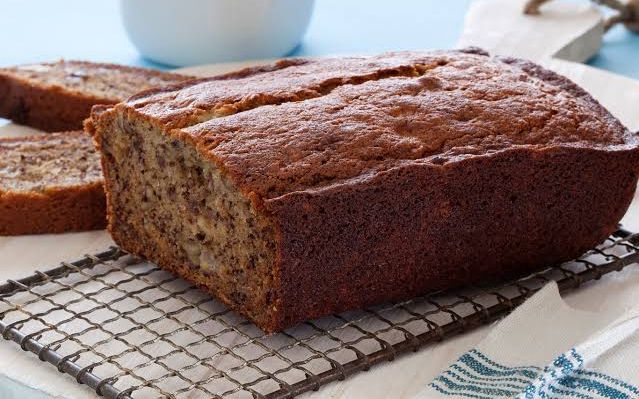
This recipe for banana nut bread bakes up moist and nutty every time — simple pantry ingredients, ripe bananas, and no mixer required.
The Best Recipe for Banana Nut Bread: Moist, Nutty & Easy to Make
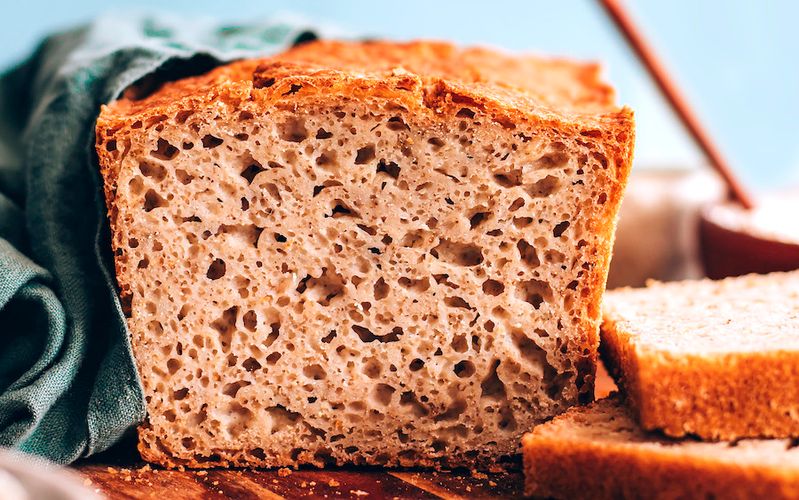
This recipe for banana nut bread turns overripe bananas sitting on the counter into a moist, tender loaf studded with toasted walnuts. It comes together in one bowl with no mixer required, and it forgives a lot of the small measuring mistakes that trip up more finicky baked goods. This guide covers the ingredients, the exact method, five popular variations, and the small techniques that keep every slice tender instead of dry or dense.
What Makes Banana Nut Bread Different From Regular Banana Bread?
Banana nut bread is classic banana bread with chopped walnuts or pecans folded into the batter, adding crunch and a dose of healthy fats to an otherwise soft, moist crumb. The base batter is identical between the two — flour, sugar, eggs, butter or oil, baking soda, and mashed banana — with the nuts as the main distinguishing addition. Anyone comfortable with basic banana bread already knows most of what's needed here; the nuts are simply folded in during the last step.
Ingredients for the Best Recipe for Banana Nut Bread
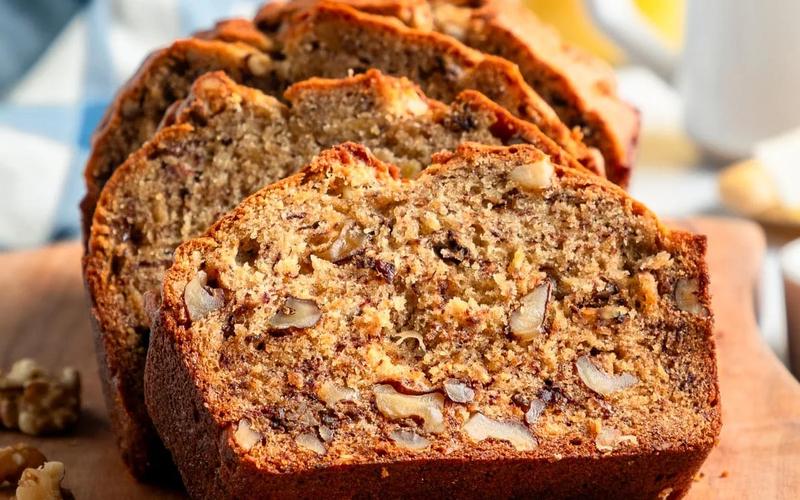
A standard loaf uses 3 large very ripe bananas (about 1½ cups/340g mashed), 1¾ cups (220g) all-purpose flour, ¾ cup (150g) granulated sugar, 2 large eggs, ⅓ cup (75g) melted butter or neutral oil, 1 teaspoon baking soda, ½ teaspoon salt, and ¾ cup (85g) chopped walnuts or pecans. What separates a good recipe for banana bread from an average one usually comes down to two things: how ripe the bananas are, and whether the flour is measured correctly (spooned into the cup and leveled off, rather than scooped directly, which can pack in up to 20% more flour than intended).
Why Overripe Bananas Matter
Bananas that are heavily spotted or fully brown on the peel have converted more of their starches into sugar, giving the bread more natural sweetness and moisture than bananas that are still mostly yellow. According to USDA FoodData Central, ripe bananas are a reliable source of natural sugars and potassium, both of which contribute to the loaf's moist texture and mild sweetness without relying entirely on added sugar.
Choosing and Toasting the Nuts
Walnuts are the traditional choice, offering a slightly bitter edge that balances the banana's sweetness, while pecans give a milder, more buttery flavor. Toasting the nuts in a dry skillet over medium heat for 3–4 minutes before folding them into the batter deepens their flavor considerably compared to adding them raw.
Step-by-Step Instructions for a Banana Nut Bread Recipe Moist Enough to Slice Cleanly
Getting a properly moist loaf comes down to how the wet and dry ingredients are combined and how closely the bake is monitored near the end.
Mashing the Bananas and Mixing Wet Ingredients
Mash the bananas with a fork until mostly smooth with a few small lumps remaining, then whisk in the melted butter or oil, sugar, and eggs until the mixture looks uniform. Working the bananas first, before adding the other wet ingredients, makes it easier to judge their texture and catch any unripe pieces that need extra mashing.
Combining Dry Ingredients Without Overmixing
Whisk the flour, baking soda, and salt together in a separate bowl, then fold the dry mixture into the wet ingredients using a spatula, stirring just until no streaks of flour remain. Overmixing at this stage develops gluten in the flour, which is the single biggest cause of a dense, tough banana bread instead of a tender one. Fold in the toasted nuts last, with just a few strokes.
Baking Time and Doneness Test
Pour the batter into a greased 9x5-inch (23x13cm) loaf pan and bake at 350°F (175°C) for 55–65 minutes. Start checking at the 50-minute mark by inserting a toothpick into the center — it should come out with a few moist crumbs attached, not wet batter, but also not completely clean, since banana bread continues cooking slightly as it cools.
Popular Variations
Once the base method is dialed in, small ingredient swaps produce noticeably different loaves.
Healthy Banana Bread Recipe
A healthy banana bread recipe typically swaps in whole wheat flour for some or all of the all-purpose flour and reduces the added sugar by a third, relying on the ripe bananas for most of the sweetness. According to the Nutrition Source at Harvard T.H. Chan School of Public Health, whole grain flour retains more fiber and nutrients than refined flour, since the milling process that produces white flour strips away the bran and germ. This swap makes for a banana bread recipe healthy enough for a regular breakfast rotation, though the crumb turns slightly denser as a result.
Gluten-Free Banana Bread Recipe
Swapping in a 1:1 gluten-free flour blend keeps the same basic structure and moisture level as the wheat-flour version, since most modern GF blends are formulated to behave similarly in baking. A gluten-free banana bread recipe made this way turns out moist but slightly more crumbly when sliced, so letting the loaf cool completely before cutting helps it hold together better.
Vegan Banana Bread Recipe
For a vegan banana bread recipe, replace each egg with a flax egg (1 tablespoon ground flaxseed mixed with 3 tablespoons water, left to sit for 5 minutes until gelled) and swap the butter for a neutral oil or vegan butter. The texture comes out slightly denser than the egg-based version but still moist, thanks to the banana's natural moisture content.
Chocolate Banana Bread Recipe
A chocolate banana bread recipe folds ¼ cup (25g) of cocoa powder into the dry ingredients and adds ½ cup (85g) of chocolate chips alongside the walnuts, turning the loaf into more of a dessert than a breakfast bread. The added cocoa absorbs a bit more moisture, so an extra tablespoon of milk in the batter helps keep the crumb from drying out.
Comparison Table: Banana Nut Bread Variations at a Glance
Picking a variation usually comes down to dietary needs or what the loaf is meant for — an everyday breakfast bread, a dessert, or something to fit a specific diet. The table below breaks down how to build an easy banana nut bread recipe suited to different situations.
| Variation | Key Swap | Dietary Fit | Texture |
|---|---|---|---|
| Classic Banana Nut Bread | None (base recipe) | Standard | Moist, tender crumb |
| Healthy Banana Bread | Whole wheat flour, less sugar | Lower sugar | Slightly denser |
| Gluten-Free Banana Bread | 1:1 GF flour blend | Gluten-free | Moist, slightly more crumbly |
| Vegan Banana Bread | Flax eggs, oil instead of butter | Vegan, dairy-free | Moist, slightly denser |
| Chocolate Banana Bread | Cocoa powder + chocolate chips | Dessert-style | Rich, moist |
Tips for an Easy Banana Nut Bread Recipe
A few habits consistently improve results across every variation above. Don't overmix once the flour goes in — a spatula and a light hand keep the crumb tender, while a stand mixer on this step almost guarantees a tough loaf. Rely on the toothpick test rather than the clock alone, since oven calibration varies enough between models that a stated bake time is only ever a starting guideline. Let the loaf cool in the pan for 10 minutes before turning it out onto a wire rack, since banana bread is fragile straight out of the oven and tends to break apart if handled too soon. These tips apply to any for banana bread variation covered here, whether it's the classic loaf, the healthy version, or the gluten-free one — and for anyone building out a full breakfast spread, this healthy pancake recipe pairs well alongside a slice.
Storage and Freezing Tips
Banana nut bread stays fresh for about 2–3 days at room temperature when wrapped tightly in plastic wrap or stored in an airtight container, and up to a week when refrigerated, based on typical recipe-testing observations for this type of quick bread. According to general USDA food storage guidance, keeping baked goods tightly wrapped slows moisture loss and helps prevent the loaf from drying out or picking up odors from the fridge. For longer storage, slice the loaf, wrap individual pieces in plastic, and freeze for up to 3 months; thaw at room temperature for about an hour before eating.
FAQ
What is the secret to moist banana bread?
The secret is using very ripe, heavily spotted bananas and avoiding overmixing the batter once flour is added. Overripe bananas contribute more natural moisture and sweetness, while gentle folding keeps the gluten from overdeveloping, which is what causes banana bread to turn dense or dry instead of tender.
Can you make banana nut bread healthier?
Yes — swapping in whole wheat flour, reducing added sugar, and using a lighter oil instead of butter all lower the calorie and sugar content without significantly changing the texture. Relying on very ripe bananas for sweetness allows less added sugar overall while keeping the loaf moist.
How long does a recipe for banana nut bread last once baked?
Banana nut bread stays fresh for about 2–3 days at room temperature when wrapped tightly, or up to a week when refrigerated in an airtight container. For longer storage, individual slices can be frozen for up to 3 months without a major loss in texture.
Can banana bread be made without eggs?
Yes, a vegan banana bread recipe typically replaces each egg with a flax egg — one tablespoon of ground flaxseed mixed with three tablespoons of water, left to gel for a few minutes. This substitute binds the batter similarly to eggs while keeping the loaf plant-based.
What nuts work best in banana bread?
Walnuts are the most traditional choice, offering a slightly bitter contrast to the sweet banana flavor, while pecans provide a milder, buttery taste. Both work well lightly toasted before folding into the batter, which deepens their flavor and adds extra crunch to each slice.
Conclusion
This recipe for banana nut bread works as a flexible base rather than a fixed formula — swap in whole wheat flour for a healthier loaf, a gluten-free blend for anyone avoiding wheat, flax eggs for a vegan version, or cocoa and chocolate chips for something closer to dessert. The moist, tender crumb holds up across all of these changes as long as the batter isn't overmixed and the bananas are properly ripe. Try the classic version first, then adjust based on what's already in the pantry — and for more baked goods worth trying next, take a look at this chocolate chip cookie recipe.
Tags