The Best Zucchini Bread Recipe: Moist, Tender & Easy to Make
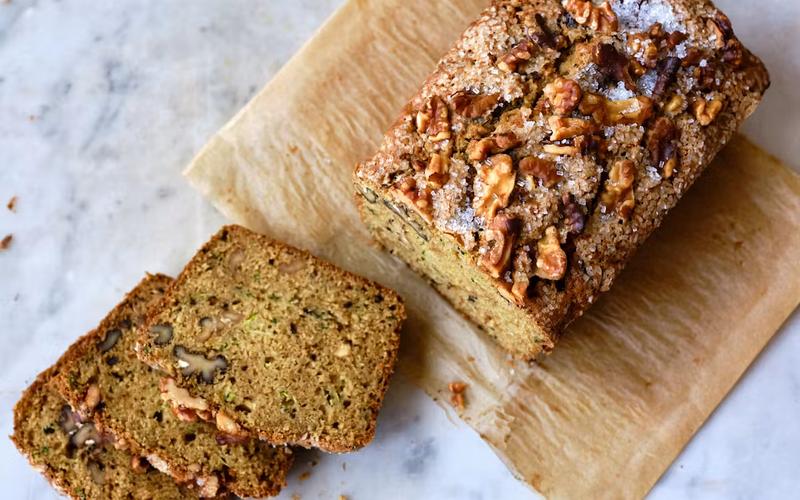
This zucchini bread recipe bakes up moist and tender every time — simple ingredients, hidden veggies, and a method that never turns soggy.
Late summer almost always brings more zucchini than anyone knows what to do with, and this zucchini bread recipe is one of the most reliable ways to put it to use. Shredded zucchini disappears completely into a lightly spiced, cinnamon-scented crumb, adding moisture without any noticeable vegetable flavor. This guide covers the ingredients, the exact method, four popular variations, and the one technique that prevents the loaf from turning soggy or gummy in the center despite all that shredded zucchini folded in.
What's in Zucchini Bread?
Zucchini bread is built on the same quick-bread structure as banana bread: flour, sugar, eggs, oil, and a leavening agent, with shredded zucchini folded in for moisture and cinnamon added for warmth. Answering what's in zucchini bread honestly, the zucchini itself contributes almost no flavor of its own — it's mild enough to vanish into the batter, leaving behind mostly moisture and a faint green fleck throughout the crumb.
Ingredients for the Best Zucchini Bread Recipe
A standard loaf uses 2 cups (240g) all-purpose or whole wheat flour, 1 cup (200g) sugar, 2 large eggs, ½ cup (120ml) neutral oil, 1 teaspoon baking soda, ½ teaspoon baking powder, 1½ teaspoons ground cinnamon, ½ teaspoon salt, and 2 cups (about 230g) shredded zucchini, roughly one medium zucchini. What separates an average loaf from the best zucchini bread recipe usually comes down to two things: properly managing the zucchini's moisture before it goes into the batter, and measuring flour by spooning it into the cup and leveling it off rather than scooping directly, which can pack in noticeably more flour than intended.
Prepping the Zucchini
Shred the zucchini on the large holes of a box grater, skin and all, then spread it across a clean kitchen towel and press firmly to squeeze out excess moisture before measuring. According to USDA FoodData Central, zucchini is composed mostly of water, which is exactly why this draining step matters so much for a loaf that holds together rather than turning wet in the middle.
Choosing Oil vs. Butter
Neutral oil, such as vegetable or canola oil, keeps the crumb moist for several days longer than butter, since oil stays liquid at room temperature while butter solidifies as the loaf cools, which can make a butter-based version firm up noticeably by the second day.
How to Make Zucchini Bread: Step-by-Step Instructions
This section answers how to make zucchini bread in the order that produces the most consistent, evenly baked loaf.
Shredding and Draining the Zucchini
Shred the zucchini and press it in a towel as described above, then set it aside while mixing the rest of the batter. Skipping this step is the single most common reason home bakers end up with a dense, wet-centered loaf, since even a well-drained zucchini still contributes meaningful moisture on top of the other wet ingredients.
Mixing Wet and Dry Ingredients Separately
Whisk the eggs, sugar, and oil together until smooth, then fold in the drained zucchini. Separately, whisk the flour, baking soda, baking powder, cinnamon, and salt together. Combine the two mixtures with a spatula, stirring just until no streaks of flour remain, since overmixing at this stage toughens the crumb.
Baking Time and Doneness Test
Pour the batter into a greased 9x5-inch (23x13cm) loaf pan and bake at 350°F (175°C) for 50–60 minutes. Start checking at the 45-minute mark with a toothpick inserted into the center — it should come out clean or with a few moist crumbs attached, not wet batter.
A Zucchini Bread Recipe Moist Enough to Slice Cleanly
Getting a zucchini bread recipe moist result without a soggy center comes down to two habits: properly draining the shredded zucchini before mixing, and never pulling the loaf early just because the outside looks done. Because zucchini's water content varies from one vegetable to the next, a loaf that looks finished on top can still be underbaked in the middle if the zucchini used was particularly watery. Letting the loaf cool completely in the pan for at least 15 minutes before slicing also helps, since a moist zucchini bread recipe that's cut too early tends to look gummy even when it's fully cooked, simply because the crumb hasn't finished setting.
Popular Variations
Once the base method is dialed in, a few adjustments produce distinctly different loaves.
Chocolate Zucchini Bread
Adding ¼ cup (25g) cocoa powder to the dry ingredients and folding in ½ cup (85g) chocolate chips turns this into chocolate zucchini bread, where the zucchini disappears almost entirely into a rich, brownie-like crumb that even zucchini skeptics tend to enjoy.
Healthy Zucchini Bread Recipe
A healthy zucchini bread recipe swaps in whole wheat flour for some or all of the all-purpose flour and cuts the added sugar by about a third, leaning on the zucchini's natural moisture to keep the crumb tender despite less fat and sugar. This approach is a common way to make healthy zucchini bread that still holds up well for weekday breakfasts.

Easy Zucchini Bread Recipe (One-Bowl Version)
For an easy zucchini bread recipe, skip the separate wet-and-dry-ingredient bowls and combine everything directly in one bowl, starting with the wet ingredients and zucchini, then stirring in the dry ingredients last. The texture comes out slightly coarser than the two-bowl method, but the shortcut works fine for a faster weeknight bake.
A Well-Tested Approach (Cook's Zucchini Bread Method)
Recipe-testing publications known for rigorous, ingredient-by-ingredient testing — in the spirit of what's often referred to informally as a cooks zucchini bread method — tend to emphasize precise zucchini-draining technique above almost everything else, since inconsistent moisture is the most common variable that throws off results between batches.
Comparison Table: Zucchini Bread Variations at a Glance
Picking a variation usually comes down to occasion or dietary goals. The table below summarizes some of the top recipes zucchini bread bakers return to again and again.
| Variation | Key Swap | Dietary Fit | Texture |
|---|---|---|---|
| Classic Zucchini Bread | None (base recipe) | Standard | Moist, tender crumb |
| Chocolate Zucchini Bread | Cocoa powder + chocolate chips | Dessert-style | Rich, fudgy |
| Healthy Zucchini Bread | Whole wheat flour, less sugar | Lower sugar | Slightly denser |
| One-Bowl Zucchini Bread | Simplified mixing method | Standard | Moist, slightly coarser crumb |
Tips for the Best Zucchini Bread Recipe
A handful of habits consistently improve results. Always squeeze or press excess water out of the shredded zucchini before adding it to the batter — skipping this step is the single biggest cause of a soggy, undercooked-feeling loaf. Don't overmix once the flour goes in, since a light hand with the spatula keeps the crumb tender instead of tough and chewy. Rely on the toothpick test rather than the clock alone, since zucchini's moisture content varies enough from batch to batch that a stated bake time is only ever a starting guideline. For anyone building out a bigger spread, this healthy blueberry muffin recipe makes a good companion bake alongside a loaf of zucchini bread.
Storage and Freezing Tips
Zucchini bread stays fresh for about 2–3 days at room temperature when wrapped tightly in plastic wrap or stored in an airtight container, and up to a week when refrigerated, based on typical recipe-testing observations for this type of moisture-heavy quick bread. According to general USDA food storage guidance, keeping baked goods tightly sealed slows moisture loss and helps prevent premature drying or spoilage. For longer storage, slice the loaf, wrap individual pieces in plastic, and freeze for up to 3 months; thaw at room temperature rather than in the microwave, since rapid thawing can make the zucchini's residual moisture pool and leave the texture watery.
FAQ
Do you need to peel zucchini for zucchini bread?
No, the skin is thin, tender, and blends into the batter once shredded, adding a small fleck of green color without affecting texture. Peeling is optional and mostly a matter of preference — leaving the skin on also retains slightly more fiber and nutrients in the finished loaf.
Why is my zucchini bread soggy?
Soggy zucchini bread almost always comes from excess moisture in the shredded zucchini that wasn't drained before mixing. Pressing the shredded zucchini in a clean kitchen towel to remove excess liquid, and avoiding underbaking, are the two most reliable fixes for a loaf that turns out wet in the center.
Can zucchini bread be made healthier?
Yes — swapping in whole wheat flour, reducing added sugar, and using a lighter oil in smaller amounts all lower the calorie and sugar content without significantly changing the texture. Relying on the zucchini's natural moisture allows less added fat overall while keeping the loaf tender.
How long does this zucchini bread recipe stay fresh once baked?
Zucchini bread stays fresh for about 2–3 days at room temperature when wrapped tightly, or up to a week when refrigerated in an airtight container. For longer storage, individual slices can be frozen for up to 3 months without a major loss in texture.
Do you have to squeeze the water out of zucchini before baking?
Yes, this step is important. Shredded zucchini holds a surprising amount of water, and skipping this step is the most common reason zucchini bread turns out dense, gummy, or undercooked in the center, even when the bake time looks correct.
Conclusion
This zucchini bread recipe holds up as a forgiving, flexible base whether it's baked exactly as written, turned into a chocolate dessert, lightened up with whole wheat flour, or simplified into a one-bowl weeknight version. The moist, tender crumb depends on just one non-negotiable step — draining the shredded zucchini properly — and everything else can flex around the season's harvest or whatever's already in the pantry. For another moist quick bread worth trying next, this banana nut bread recipe follows a very similar method.
Tags