How to Make Banana Ice Cream at Home
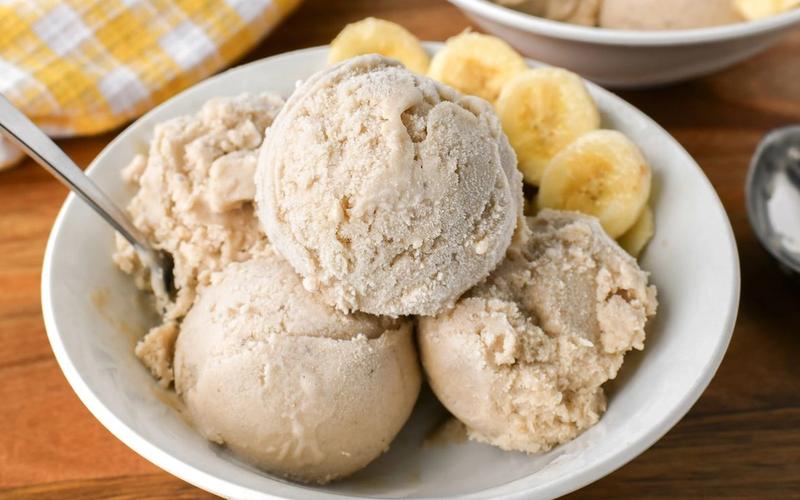
Learn how to make creamy banana ice cream at home with simple ingredients. This easy homemade banana ice cream is naturally sweet, delicious, and easy to make.
Prep time
10 minutes
Cook time
5 minutes
Cuisine
American
Ingredients
Nutrition
Banana ice cream starts with exactly one ingredient — a frozen ripe banana — and ends with something that looks, scoops, and tastes creamy enough to pass for a proper frozen dessert. No machine, no dairy, no added sugar, and no advanced technique. The whole process takes about 90 seconds once the bananas have frozen overnight. This guide covers why it actually works at the food science level, how banana ripeness determines the entire outcome, the base method, and the most popular add-in directions for anyone who wants to build on the one-ingredient version.
Why Frozen Banana Turns Creamy — The Science Behind It
Most frozen fruit, when blended, produces a granular, icy slush rather than anything resembling ice cream. Banana is the exception, and the reason is specific to its composition. As a banana ripens, its starches convert to simple sugars — primarily fructose, glucose, and sucrose — and its cell walls weaken. When a ripe banana is frozen and then blended at high speed, those weakened cell walls break apart completely, releasing the sugars and the banana's natural soluble fiber into the mix. The fiber acts as a brief emulsifier, temporarily suspending the broken ice crystals in a smooth, aerated mass that resembles soft-serve.
This is what's behind the informal term banana nice cream — it captures the fact that frozen bananas produce genuine creaminess through fruit alone, without the fat from dairy cream that conventional ice cream relies on. The effect lasts for about 10–15 minutes before the mixture begins to separate and melt, which is why timing matters more with this dessert than almost any other frozen preparation. The watermelon ice cream recipe uses the same frozen-fruit-blending principle with a different flavor — though watermelon's high water content makes its texture less stable than banana's fiber-rich version.
The One Thing That Determines How Good It Tastes — Banana Ripeness
Ripeness is not a secondary consideration in this recipe — it's the primary variable that separates a genuinely satisfying banana ice cream recipe from a bland, forgettable frozen mush. A yellow banana with no spots, frozen and blended, produces a starchy, muted result that doesn't taste like much. A banana at the fully spotted, mostly brown stage has completed its starch-to-sugar conversion and produces a deeply sweet, intensely banana-flavored result with a dramatically smoother texture.
According to USDA FoodData Central, the sugar content of bananas increases measurably as they ripen — the same biological process that makes overripe bananas ideal for baking also makes them ideal for this recipe. For anyone who can't wait: place unpeeled bananas in a 150°C (300°F) oven for 15–20 minutes until the skins turn black and the fruit has softened. Cool completely, then freeze. The oven-ripened version doesn't quite match the depth of a naturally spotted banana, but it gets close enough to be worth knowing.
For bananas that are fully black and past their eating prime — too soft to freeze well — the banana bread recipe is a better use than the freezer.
1 Ingredient Banana Ice Cream — The Base Recipe
The 1 ingredient banana ice cream method needs only a food processor or high-powered blender and a freezer.
Slicing Before Freezing
Peel ripe bananas and slice into 2cm (¾ inch) coins before freezing, spreading the slices in a single layer on a parchment-lined tray. Once frozen solid (at least 6 hours, preferably overnight), transfer to a sealed freezer bag. The slicing step isn't optional — whole frozen bananas take considerably longer to break down in a blender, produce uneven texture, and often leave a partially frozen core that won't blend smooth.
Serve Now or Refreeze
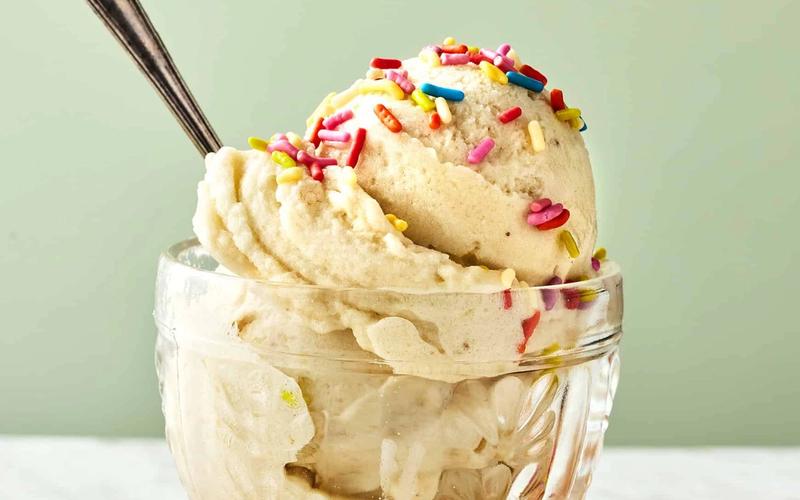
Transfer the frozen slices to a food processor and blend, stopping to scrape down the sides every 30 seconds. The progression is predictable: first, the banana chunks crumble into pale, uneven pieces; then the pieces begin to clump; then, after 60–90 seconds of continuous blending, the texture suddenly shifts to smooth, pale, and airy — resembling soft-serve ice cream. Serve immediately for that soft-serve texture. For a scoopable, firmer result, pour into a container, press plastic wrap directly onto the surface (this prevents ice crystals from forming on top), and freeze for 1.5–2 hours. Both versions are valid; both work differently.
This is the banana ice cream without ice cream maker method that makes this recipe genuinely useful — no special equipment beyond a standard food processor is needed at any stage.
Easy Banana Ice Cream Recipe Add-Ins — Going from 1 to 2+ Ingredients
The base works on its own, but a handful of simple additions turn it into something more specific.
2 Ingredient Banana Ice Cream — Peanut Butter Version
Add 1–2 tablespoons of peanut butter (or almond butter) to the frozen banana during blending. The fat from the nut butter makes the texture denser and richer, slows the melting rate, and creates a version that's more filling and slightly higher in protein than the pure banana format. The 2 ingredient banana ice cream peanut butter version is the one most people make on their second attempt, and it consistently produces the most satisfying result from a minimal-ingredient standpoint.
Banana Ice Cream Recipe with Milk
If the blender is struggling to process frozen banana without liquid, add 2–3 tablespoons of any milk — dairy, oat, almond, or coconut — and blend again. This banana ice cream recipe with milk version is slightly less creamy than the pure formula (the added liquid dilutes the emulsion), but it's a practical fix for lower-powered blenders that stall on frozen fruit. Use the minimum amount of milk needed rather than adding it preemptively, since less is better for texture.
Chocolate, Berry, and Other Add-Ins
A tablespoon of unsweetened cocoa powder blended in produces a chocolate-banana version with a richer, fudgier quality. Frozen strawberries or mixed berries added alongside the banana create a swirled version that lightens the color, adds tartness, and produces a frozen fruit dessert that tastes genuinely different from the banana-only base. Frozen mango chunks make a tropical version worth trying in summer.
Frozen Banana Ice Cream — Making It Scoopable After Refreezing
A container of frozen banana ice cream that goes back into the freezer for more than 2–3 hours will typically be too solid to scoop directly. The fix is simple — pull it out of the freezer and leave it at room temperature for 10–15 minutes before attempting to scoop. The texture comes back quickly because bananas don't contain dairy fat, which is what makes conventional ice cream resist softening at room temperature.
The pre-empt is more reliable than the fix: add 1 tablespoon of coconut oil or nut butter to the blender before the initial blend. The added fat prevents the refrozen version from hardening as completely as the pure-banana formula does, producing a result that's scoopable after a shorter rest period.
Banana Ice Cream Variations at a Glance
The base homemade banana ice cream method is the same across every version — only the add-in and the resulting texture differ.
| Variation | Add-In | Texture | Dairy-Free | Best For |
|---|---|---|---|---|
| Pure banana (1 ingredient) | None | Soft, light | Yes | Simplest, quickest |
| Peanut butter (2 ingredient) | Peanut butter | Dense, rich | Yes | Higher protein snack |
| With milk | 2–3 tbsp milk or plant milk | Slightly looser | Optional | Easier blending |
| Chocolate banana | Cocoa powder | Rich, fudgy | Yes | Dessert-adjacent |
| Banana + frozen berries | Strawberries or mixed berries | Lighter, tangy | Yes | Lower calorie, refreshing |
Homemade Banana Ice Cream — Tips for the Best Result Every Time
Use the ripest bananas available — black-spotted or fully brown peel produces a result three to four times better than a yellow banana by any measure of sweetness and creaminess. Freeze slices in a single layer before bagging; a bag of whole frozen bananas stuck together is difficult to portion and takes significantly longer to blend evenly. Don't add liquid unless the blender genuinely requires it — extra liquid dilutes the creaminess that makes homemade banana ice cream worth making in the first place. Serve the freshly blended version in a chilled bowl, since a warm bowl accelerates melting faster than most people expect. For more naturally sweet, no-cook dessert ideas, browse the full vegetarian recipe collection.
Storage, Texture After Freezing, and When to Add Dairy
The fresh-blended version and the refrozen version are practically two different products. Fresh from the blender, the texture is light, airy, and smooth — it softens quickly and needs to be eaten within 10–15 minutes. After refreezing for 2+ hours, the texture becomes denser and less airy, since the emulsion created by blending partially breaks down as the mixture refreezes. This refrozen version tastes good but behaves more like a frozen banana sorbet than a soft-serve.
Adding heavy cream or condensed milk before the initial blend (as in the watermelon ice cream method) produces a more stable version that keeps well for several days in the freezer without becoming too hard to scoop. This is only worth doing when a batch needs to serve multiple people over several days — for a single-serving treat made daily, the pure formula is better in every way.
FAQ
Can you make ice cream from just bananas?
Yes — a single frozen ripe banana blended in a food processor or high-powered blender produces a smooth, creamy texture that resembles soft-serve ice cream without any additional ingredients. The natural sugars and fiber in the banana create the emulsified, creamy texture when the frozen cell structure breaks down at high speed.
What is banana nice cream?
Banana nice cream is the informal name for ice cream made entirely from blended frozen bananas — emphasizing that it's a dairy-free, naturally sweetened alternative to conventional ice cream. The term distinguishes it from banana-flavored dairy ice cream and highlights its one-ingredient simplicity.
How do you make banana ice cream scoopable?
After blending, pour the mixture into a freezer-safe container, press plastic wrap directly onto the surface, and freeze for 1.5–2 hours. Let it sit at room temperature for 10–15 minutes before scooping. Adding a tablespoon of nut butter or coconut oil before blending helps prevent the refrozen version from hardening too much.
What bananas work best for banana ice cream?
Heavily spotted or fully brown-peeled bananas work best — their starches have converted to simple sugars, producing a sweeter, more intensely flavored result with a creamier frozen texture. Yellow bananas with no spots produce a blander, slightly starchy result that doesn't satisfy the same craving.
Does banana ice cream taste like real ice cream?
The texture is closer to soft-serve than hard-scoop dairy ice cream — light, cold, and creamy rather than dense and rich. The flavor is unmistakably banana, without dairy's fat-forward richness. Adding peanut butter or coconut cream brings the richness closer to a dairy version.
The most important decision for good banana ice cream happens at the shop, not the blender. Buy bananas and leave them to ripen until they're heavily spotted — or use the oven method to accelerate the process. Slice, freeze overnight, blend for 90 seconds, eat immediately. That's the complete method. The add-ins — peanut butter, cocoa, berries — can come later once the base version is confirmed to work with the specific blender on hand. For a no-bake dessert that works well as a follow-up course after banana ice cream, this 2 ingredient yogurt dessert takes five minutes to assemble and goes into the fridge while the ice cream is being made.
Tags