3 Ways to Make Applesauce at Home (And Why Homemade Beats the Jar)
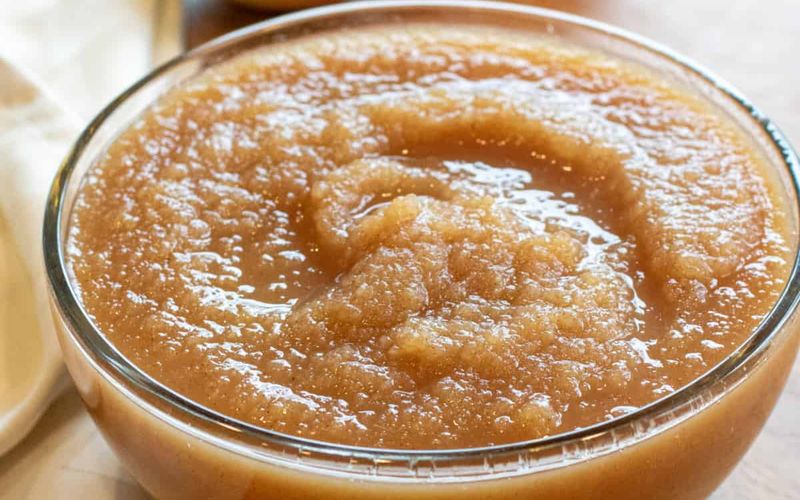
This applesauce recipe skips the store-bought jar — three methods, one bowl of apples, and a result that tastes nothing like the shelf version.
Jarred applesauce has two problems that show up consistently: it's either oversweetened to the point of tasting like apple syrup, or it has the watery, uniform texture of something processed for shelf stability rather than flavor. A homemade applesauce recipe solves both — a batch made on the stovetop takes about 30 minutes, costs less per serving than most store-bought versions, and can be as chunky, smooth, sweet, or tart as the cook decides. This guide covers three cooking methods, apple variety selection, how to control texture and sugar level, and the unsweetened version that works as a baking substitute.
Picking the Right Apples for Applesauce
Apple variety determines more about the final batch than any other single ingredient — it affects how much water the apples release during cooking, how sweet the sauce tastes without any added sugar, and whether the result cooks down completely soft or holds some texture. McIntosh, Golden Delicious, and Fuji are the most commonly used varieties for sauce, since all three cook down quickly and produce a naturally sweet result that rarely needs more than a tablespoon or two of added sugar, if any at all. According to USDA FoodData Central, the sugar content of apples varies noticeably between varieties, which is why a batch made from McIntosh tastes sweet even without added sugar while a batch made from Granny Smith needs considerably more sweetener to reach the same flavor. Honeycrisp holds its texture longer during cooking, making it better suited to a deliberately chunky sauce, while Granny Smith works best blended with a sweeter variety — about one Granny Smith to every three sweeter apples — to add brightness and tartness without dominating the batch.
The Base Homemade Applesauce Recipe (Stovetop Method)
A standard batch using 3 lbs (1.4kg) of apples produces about 3–4 cups (710–950ml) of sauce and needs: the prepared apples, ¼ cup (60ml) water, 1–2 tablespoons sugar (optional), 1 tablespoon lemon juice, and ½ teaspoon ground cinnamon. This homemade applesauce recipe serves as the starting point for every variation covered below, since the same basic ingredient ratios carry through to the slow cooker and Instant Pot methods.
Peeling vs. Not Peeling
Peeling the apples first gives a uniform, creamy sauce without any texture variation, which is the standard result most people expect. Leaving the peel on and blending the finished sauce produces a slightly pinker color and keeps more of the apple's fiber intact, since the peel contains a meaningful portion of the fruit's dietary fiber. The peel-on method only works if the sauce gets blended at the end — a peel-on batch left as chunky mash has unpleasant texture from the skin pieces.
Chunky vs. Smooth
Three tools produce three distinct textures from the same cooked apple base. A potato masher gives the most control, producing a chunky, rustic sauce in about 30 seconds per batch. A food mill produces a smooth sauce that still has some body without being pureed to liquid. An immersion blender produces the smoothest result but runs the risk of over-processing a hot batch into something closer to apple butter than sauce if held in place too long.
Recipe Slow Cooker Applesauce — When Hands-Off Wins
The slow cooker method produces a noticeably different flavor than the stovetop version — the extended, low heat caramelizes the natural apple sugars slightly, giving the finished sauce a deeper, more complex sweetness that the stovetop version doesn't reach in 30 minutes. This makes recipe slow cooker applesauce the better choice for large batches or for anyone who wants the sauce cooking unattended while doing other things.
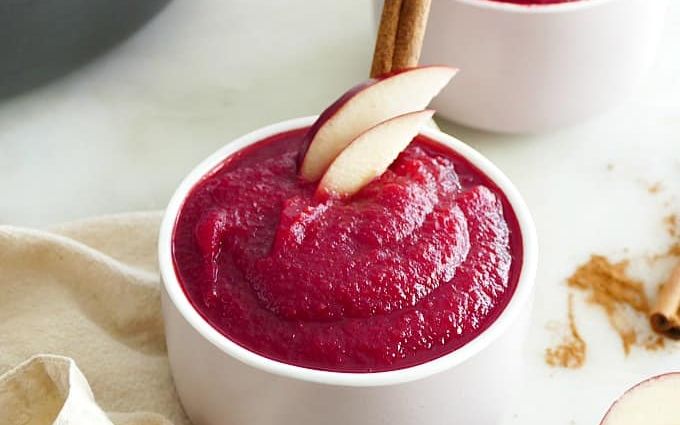
Applesauce in the Crockpot Recipe
This applesauce in the crockpot recipe needs just four things: peeled and cored apples, ¼ cup (60ml) of water or apple cider, 1 teaspoon cinnamon, and a pinch of salt. Fill the crockpot with up to 5 lbs (2.3kg) of prepared apples, add the liquid and seasonings, cover, and cook on low for 6–8 hours or high for 3–4 hours. No stirring or monitoring required; the apples release enough moisture as they cook that the liquid added at the start keeps the bottom from scorching.
Crock Pot Recipe for Applesauce vs. Stovetop vs. Instant Pot
No single method wins across every situation — the right choice depends on how much time is available and how large the batch needs to be. The table below breaks down the practical differences across all three approaches to this crock pot recipe for applesauce comparison.
| Method | Total Time | Hands-On Effort | Best For |
|---|---|---|---|
| Stovetop | 25–30 min | Medium | Quick small batch |
| Slow Cooker/Crockpot | 6–8 hrs (low) | Very low | Large batches, deep flavor |
| Instant Pot | 15–20 min | Low | Fast and hands-off |
For the Instant Pot version: add the peeled, cored apples with ¼ cup (60ml) water and ½ teaspoon cinnamon, pressure cook on high for 5 minutes, quick release, then mash or blend to texture. The whole process from sealing the lid to finished sauce takes about 15–20 minutes, making it the fastest hands-off option.
Unsweetened Applesauce and Sugar Control
A batch made with McIntosh, Fuji, or Golden Delicious apples at peak ripeness usually tastes naturally sweet enough that adding any sugar at all is optional rather than necessary — this is the version most useful as a baking substitute, since unsweetened applesauce replaces oil or butter in muffin and quick bread recipes without adding extra sweetness that conflicts with the recipe's other sugar measurements. A sweetened version works fine for eating plain or as a topping but introduces a variable into baking that's harder to control.
The middle ground — a tablespoon of maple syrup or honey stirred in after cooking — adds light sweetness without refined sugar, which some people prefer for the flavor difference even when the calorie content is roughly equivalent. This healthy blueberry muffin recipe uses applesauce as a fat substitute in exactly the way described here — unsweetened, folded in to replace some of the oil in the batter, with the result staying moist without adding extra sugar.
Tips for Applesauce Recipes That Come Out Right
Lemon juice isn't just for flavor — it prevents the cooked apple from oxidizing and turning brown during the rest time before the batch cools, and it brightens the apple flavor in a way that cinnamon alone doesn't. Don't skip it even in a savory or spiced version. Cook on medium-low rather than medium-high on the stovetop, since a hard boil evaporates the liquid before the apples have fully softened and risks scorching the bottom of the pan. Most importantly, taste before adding any sugar — a batch made from ripe McIntosh or Golden Delicious in autumn often needs none at all, while the same batch made from grocery-store apples in spring may need two tablespoons to reach the same sweetness level. That variability is the main reason applesauce recipes that specify a fixed sugar amount sometimes produce batches that taste oversweetened or flat depending on the season.
How to Use Applesauce Beyond Eating It Plain
The most useful application outside of eating it straight is as a 1:1 fat substitute in baking — replacing oil with the same volume of unsweetened applesauce in muffins, quick breads, and pancake batters keeps the crumb moist while reducing added fat. Homemade apple sauce made without added sugar works better for this than sweetened store-bought versions, since the final baked good's sweetness stays fully under the baker's control. This banana bread recipe is another quick bread where applesauce works as an oil substitute, following the same logic: moisture from fruit instead of fat, without sacrificing crumb texture.
As a topping, homemade applesauce pairs well with oatmeal, pancakes, or plain yogurt. Swapping maple syrup for applesauce on this healthy pancake recipe is a lower-sugar approach that works well when the applesauce is thick enough to spoon rather than pour. As a savory accompaniment, a batch made slightly tart (with a Granny Smith blend and minimal sugar) works well alongside roasted pork tenderloin, where the apple's acidity cuts through the richness of the meat.
Storage, Canning, and Freezing
Refrigerated in an airtight container, homemade applesauce keeps for about 7–10 days, based on general food safety guidance for cooked fruit products stored at or below 40°F (4°C). Freezing extends this significantly — portion the sauce into 1-cup (240ml) freezer-safe containers or bags before freezing for up to 3 months, since smaller portions thaw faster and reduce waste. For larger batches destined for long-term storage, water-bath canning is the standard approach. The USDA Complete Guide to Home Canning published by the National Center for Home Food Preservation specifies the processing time and pH requirements for canned applesauce — properly processed, sealed jars keep for up to a year in a cool, dark pantry.
FAQ
How do you make applesauce from scratch?
Peel (or don't) and core the apples, then cook them with a small amount of water, lemon juice, and optional cinnamon over medium heat for 15–20 minutes until completely soft. Mash for a chunky texture or blend for something smoother — that's the full process, with no other equipment required.
What apples are best for making applesauce?
McIntosh and Golden Delicious cook down quickly and produce a naturally sweet, soft sauce with minimal added sugar. Fuji and Gala also work well. Granny Smith adds tartness and is often blended with a sweeter variety rather than used on its own, since it needs significantly more sugar to balance.
Can applesauce be made without sugar?
Yes, using naturally sweet varieties like McIntosh, Fuji, or Golden Delicious produces a sauce that tastes sweet without any added sugar. Lemon juice and cinnamon enhance the apple flavor enough that most batches don't need sweetener, especially if the apples are at peak ripeness.
How long does homemade applesauce last?
Refrigerated in an airtight container, homemade applesauce keeps for about 7–10 days. For longer storage, it freezes well for up to 3 months in freezer-safe containers or bags, portioned into the amounts most commonly used. Properly water-bath canned applesauce keeps for up to a year.
Can I use an Instant Pot to make applesauce?
Yes — add the apples (peeled and cored), a small amount of water, and cinnamon to the Instant Pot, pressure cook on high for 5 minutes with a quick release, then mash or blend to the desired texture. The whole process from lid-on to finished sauce takes about 15–20 minutes total.
Conclusion
This applesauce recipe adapts to whatever method and apple variety is on hand — stovetop for speed, slow cooker for a hands-off large batch that develops noticeably deeper flavor, and Instant Pot for the fastest low-effort result. Starting with the unsweetened version and tasting before adding any sugar usually reveals that most ripe-apple batches need far less sweetener than most recipes call for. For more vegetarian recipes worth making at home, browse the full vegetarian recipe collection.
Tags