Paneer Tikka Masala: What the Restaurant Version Gets Right (And How to Replicate It)
This paneer tikka masala recipe covers the marinade, the masala sauce, and every shortcut worth taking — restaurant flavor without the guesswork.
Most home versions of paneer tikka masala taste reasonable — well-spiced, saucy, warm — but they stop short of what the restaurant version actually delivers. That gap almost never comes down to a missing spice or an obscure ingredient. It comes down to two skipped steps: the tikka component doesn't get properly charred, and the masala base doesn't cook long enough. This guide treats both parts as separate tasks that deserve separate attention, covers the marinade, the sauce, and how to combine them at exactly the right moment.
The Two Steps Most Home Versions Collapse Into One
Paneer tikka masala is two distinct dishes assembled into one. The tikka is marinated paneer that gets cooked under high direct heat until it chars at the edges — the same principle used in a tandoor oven, approximated at home with an oven grill or a very hot cast-iron skillet. The paneer masala is a separate tomato-cream sauce built with whole and ground spices. When both get made properly and combined at the end, the dish has a textural contrast and a slight smokiness that a version made by dropping raw paneer into simmering sauce simply can't replicate. Most home recipes skip the make paneer tikka step and go straight to the sauce — which is why the result tastes like good paneer curry rather than the specific dish people are actually trying to recreate.
Marinating and Making the Tikka
The tikka marinade for 400g (14 oz) of paneer, cut into 3–4cm (1.5-inch) cubes, needs: 3 tablespoons thick yogurt (hung curd or strained yogurt, not runny), 1 teaspoon ginger-garlic paste, 1 teaspoon Kashmiri red chili powder, ½ teaspoon cumin, ½ teaspoon garam masala, ¼ teaspoon turmeric, ½ teaspoon salt, and 1 tablespoon mustard oil or neutral oil. Toss the paneer cubes through the marinade until fully coated, then refrigerate for a minimum of 30 minutes — though 4 hours produces noticeably deeper color and more spice penetration throughout the cheese. This is the paneer masala tikka step most recipes describe as optional and then quietly skip.
Why Kashmiri Chili Matters
Kashmiri red chili is mild in heat but intensely pigmented — it gives paneer tikka masala its characteristic deep orange-red color without the aggressive burn of standard red chili powder. Using regular chili powder at the same quantity to compensate for a missing pantry ingredient produces the right level of heat but none of the color, which changes how the finished dish looks and reads against the cream in the sauce.
Skillet vs. Oven vs. Grill
Pat the marinated paneer dry with a paper towel before cooking — moisture on the surface causes steaming rather than charring. For the oven: place cubes on a foil-lined tray under the grill element at 220°C (430°F) for 12–15 minutes, turning once halfway through. For a skillet: a dry cast-iron or heavy-bottomed pan over high heat, 2–3 minutes per side with no oil, pressing gently to get contact. The skillet method produces the closest char when the pan is genuinely hot before the paneer goes in.
Building the Masala Sauce
The paneer tikka masala recipe sauce starts with tempering whole spices — 1 bay leaf, 2 green cardamom pods, and 1 small cinnamon stick — in 2 tablespoons of ghee or oil over medium heat for 30–45 seconds until fragrant. Add 1 large onion finely diced and cook for 10–12 minutes, stirring regularly, until fully golden and soft.
The Onion-Tomato Base
Add 3 ripe tomatoes (chopped) or 200g (7 oz) crushed canned tomatoes, 1 teaspoon ginger-garlic paste, 1 teaspoon Kashmiri chili, ½ teaspoon coriander powder, ½ teaspoon cumin powder, and ¼ teaspoon turmeric. Cook this base for 15–20 minutes over medium-low heat, stirring frequently, until the oil separates slightly from the tomato and the raw sharpness cooks out completely. An undercooked onion-tomato base is the most common single reason a home masala tastes acidic and thin — it needs more time than most recipes specify.
Cream vs. Cashew Paste vs. Both
Once the base is cooked through, add 80ml (⅓ cup) of cream for a lighter, thinner sauce. For a restaurant-style body, blend 20 raw cashews with 60ml (¼ cup) of water into a smooth paste and add that alongside the cream. The cashew paste adds a subtle sweetness and makes the sauce viscous enough to coat the paneer rather than pool beneath it — which is the texture most people associate with the dish.
Cooking Paneer Tikka Masala — Bringing Both Parts Together
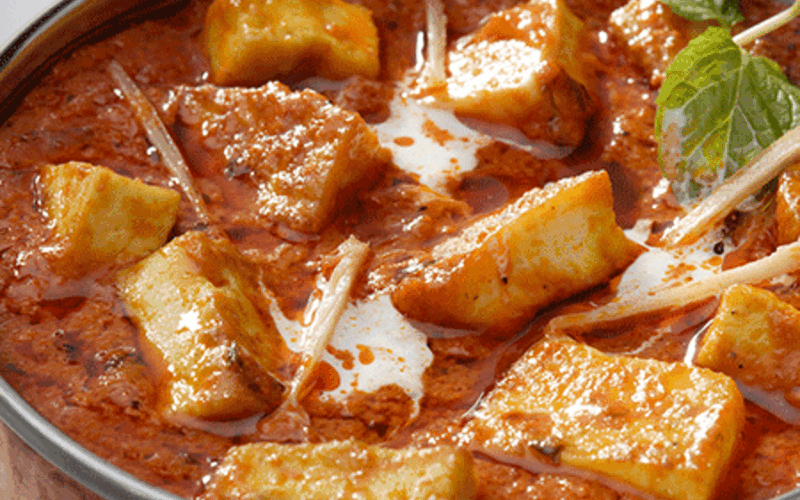
Add the grilled tikka pieces to the finished masala sauce and stir gently to coat. Simmer for no more than 3–5 minutes — long enough to heat the paneer through and let the char on the edges melt slightly into the sauce, not long enough to make the paneer rubbery. Paneer tightens significantly under extended heat in liquid, and a piece that was perfectly tender coming off the grill can turn unpleasantly firm after 15 minutes in a simmering sauce.
Finish with a drizzle of 2 tablespoons of cream over the top, a generous pinch of crushed kasuri methi (dried fenugreek leaves — roughly ½ teaspoon, rubbed between the palms before adding to release the oils), and a final stir. Put the lid on and leave it off the heat for 5 minutes before serving — cooking paneer tikka masala correctly ends with this rest, which lets the kasuri methi perfume the whole dish gently rather than sitting sharp on the surface.
Paneer Tikka Masala Nutrition — What's Actually in a Serving
Paneer is a fresh, unaged cheese made by curdling milk with acid — it's high in protein and fat, with a nutrient profile that varies depending on whether it's full-fat or low-fat milk. Cream and ghee in the sauce add further fat. Paneer tikka masala nutrition figures vary significantly between restaurant versions (which tend to use more butter and cream than home recipes specify) and home-cooked versions.
According to USDA FoodData Central, full-fat paneer contains approximately 20g of protein and 20g of fat per 100g — making it one of the more protein-dense Indian food recipes paneer is used in, compared to paneer's role as a textural filler in lighter preparations. The addition of 80ml of cream per batch and 2 tablespoons of ghee adds meaningful saturated fat. Readers who track macros should calculate their own figures based on the specific quantities and brands used, since these numbers shift considerably based on portion size and how rich the sauce is made.
Where Paneer Tikka Masala Sits Among Other Paneer Dishes
Understanding paneer recipe tikka masala in relation to similar paneer dishes recipe options helps when deciding what to cook or what separates the versions on a restaurant menu. The table below covers the most commonly compared dishes in paneer across Indian cooking.
| Dish | Sauce Base | Heat Level | Main Fat Source | Vegetarian |
|---|---|---|---|---|
| Paneer Tikka Masala | Tomato-cream, spiced | Medium | Cream, ghee | Yes |
| Chicken Tikka Masala | Tomato-cream, spiced | Medium | Cream, ghee | No |
| Paneer Butter Masala | Tomato, butter, cream | Mild | Butter, cream | Yes |
| Palak Paneer | Spinach-based | Mild–medium | Cream or ghee | Yes |
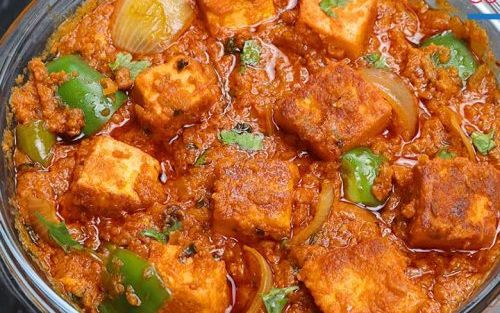
| Kadai Paneer | Tomato, capsicum, dry spices | Medium–hot | Oil, minimal cream | Yes |
The clearest distinction between paneer tikka masala and paneer butter masala is the tikka step — butter masala skips it entirely, using raw or lightly pan-fried paneer instead of charred cubes, which produces a milder, less textured dish.
What to Serve Alongside
Naan or roti works best when the masala sauce is on the richer, creamier side, since bread absorbs the sauce more effectively than rice does with a thick consistency. Steamed basmati rice is the better match when the sauce is thinner — and how the rice is cooked actually matters for how well the plate comes together, since overcooked or waterlogged grains can't carry the sauce without breaking apart; this guide to cooking rice covers the ratios and timing that produce basmati with the right texture. A cooling raita or sliced cucumber with lemon and salt provides a contrast that the cream-spiced sauce needs. As a starter, a high-protein sprouts salad works well before a rich main — light, no-cook, and nutritionally complementary to a heavier dairy-based dish. Pass the mango chutney alongside for a sweet-sharp contrast that cuts through the cream in the masala.
FAQ
What is the difference between paneer tikka masala and paneer butter masala?
Paneer tikka masala uses pre-grilled (tikka) paneer with a spiced tomato-cream sauce, giving it a slightly smoky, charred edge. Paneer butter masala uses raw or lightly cooked paneer in a milder, sweeter tomato-butter-cream sauce without the tikka step. Both are popular Indian vegetarian dishes but have distinct flavor profiles.
Can paneer tikka masala be made without cream?
Yes — cashew paste blended with water or milk makes a good substitute, producing a similar richness without dairy cream. Coconut milk also works but shifts the flavor profile toward South Indian cooking. The sauce loses some creaminess without either, but remains flavorful with the spiced tomato base intact.
How long should paneer marinate for tikka?
A minimum of 30 minutes works, but marinating for 4 hours in the fridge produces a noticeably deeper flavor and better color since the spices penetrate further into the paneer. Overnight marination (up to 8 hours) is the outer limit — beyond that, the yogurt acid starts to affect the paneer's texture.
Is paneer tikka masala spicy?
In its standard form, paneer tikka masala is medium-spiced rather than intensely hot. Kashmiri red chili, which provides most of the color, is considerably milder than standard red chili powder. The dish's heat level is easy to adjust by increasing or reducing the chili quantities in both the marinade and the masala sauce.
Can paneer tikka masala be made ahead?
Yes — the masala sauce keeps well for 3 days refrigerated and freezes for up to 2 months. The tikka component is best made fresh or stored separately from the sauce, since paneer left in sauce for extended periods absorbs liquid and softens, losing the textural contrast that defines the dish.
The version of paneer tikka masala that actually tastes like the restaurant comes from treating the tikka and the masala as two separate jobs rather than one long process. Grill the paneer first, build the sauce while it rests, and bring them together only at the end. That sequencing — more than any particular spice ratio or technique — is what closes the gap between a decent home curry and the dish worth making again the following week. For more vegetarian dishes worth adding to the rotation, browse the full vegetarian recipe collection.
Tags