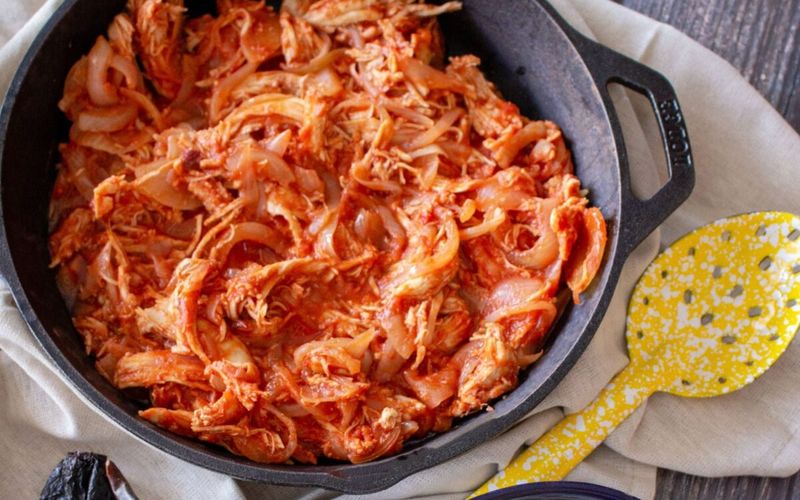
High Protein Indian Breakfast: 8 Real Dishes That Don't Need a Supplement
Skip the protein powder — these high protein Indian breakfast dishes use paneer, dal, eggs, and sprouts to hit 20g+ protein per serving naturally.
The assumption that a high protein Indian breakfast requires either a protein shake or eggs needs to go. Moong dal, paneer, kala chana, and Greek yogurt all deliver 15–25g of protein per serving using ingredients that already live in most Indian kitchens — no supplements, no specialty imports. Most of the dishes below are traditional preparations that have been eaten at Indian breakfast tables for decades; the only thing being added here is a protein lens that makes it easier to choose between them deliberately. This guide covers the actual dishes, realistic preparation times, and the planning habits that make high-protein mornings achievable on a regular weekday rather than just a Sunday.
Why Breakfast Protein Matters (And What "High Protein" Actually Means Here)
For this post, "high protein" means 15g or more per serving — a threshold consistently associated with meaningful satiety, reduced mid-morning hunger, and better appetite regulation through the rest of the day. The Nutrition Source at Harvard T.H. Chan School of Public Health notes that adequate protein at each meal supports muscle maintenance and satiety more effectively than concentrating protein intake at a single sitting. A 15g threshold per meal is achievable with a single dish from the list below; 25–30g, which some guidelines recommend for active adults, typically requires combining two sources or a larger portion of a calorie-dense option like paneer.
High Protein Indian Breakfast Without Protein Powder — The Case for Whole Foods
The high protein Indian breakfast without protein powder case rests on a straightforward comparison: 100g of paneer delivers approximately 18–20g of protein alongside calcium, healthy fats, and B vitamins. 200g of Greek yogurt delivers 17–20g. Moong dal provides 10–12g per reasonable serving. None of these require purchasing a separate product, and all of them provide additional nutrients that isolated protein powders don't. Bioavailability matters too — legume protein combined with a dairy source like yogurt covers the amino acid profile more completely than plant protein eaten alone, which is part of why traditional Indian meals tend to pair dal with a dairy side without anyone having consciously engineered it that way.
The Best High Protein Vegetarian Breakfast Dishes
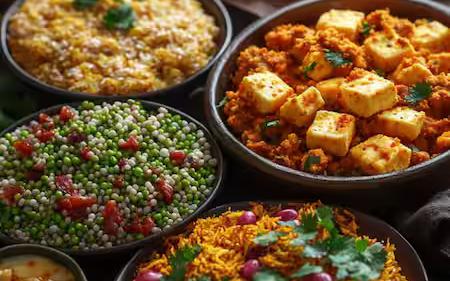
These six options cover the range from no-cook to 20-minute preparations, from calorie-light to calorie-dense, and from single-ingredient to assembled dishes. Each one is a genuinely practical high protein vegetarian breakfast Indian option rather than a theoretical one.
Moong Dal Chilla
Soak ½ cup (100g) of split yellow moong dal in cold water for at least 3 hours (or overnight), blend with water until a smooth, pourable batter forms, season with ginger, green chili, cumin, and salt, and cook like thin crepes on a hot non-stick pan with a small amount of oil. Two standard chillas from this quantity provide approximately 10–14g of protein from the dal alone. Moong dal chilla is one of the fastest legitimate high-protein breakfasts for weekdays — the batter stores in the fridge for two days, so the only morning task is pouring and flipping.
Besan Chilla (Chickpea Flour Pancakes)
Mix 1 cup (100g) of besan (chickpea/gram flour) with water, finely chopped onion, tomato, green chili, cumin, and turmeric until a batter forms. Cook on a hot tawa or non-stick pan with a small amount of oil for 2–3 minutes per side. Besan chilla requires no soaking, no advance prep, and no fermentation — it's the most spontaneous of the chilla options. Protein from the flour alone runs approximately 8–11g per serving, which is lower than moong dal but still meaningful as part of a combined breakfast.
Paneer Bhurji (Scrambled Paneer)
Crumble 150g of paneer and sauté with half a chopped onion, one medium tomato, cumin seeds, green chili, turmeric, and salt over medium heat for 6–8 minutes until the tomato softens and the paneer absorbs the spices. According to USDA FoodData Central, paneer (Indian cottage cheese) provides approximately 18–20g of protein per 100g — making a standard 150g serving of paneer bhurji one of the highest high protein breakfast recipes with paneer by raw protein density. The preparation takes under 10 minutes from a cold start, which is part of why this is the most consistently practical high-protein option in the list.
Sprouts Chaat or Stir-Fry
Mixed sprouted legumes — mung beans, kala chana, lentils — tossed with lemon juice, green chili, black salt, and fresh coriander. The sprouts breakfast requires zero morning cooking if the sprouts were prepared the night before or on a Sunday batch. This makes it the ideal high protein Indian breakfast for busy mornings: the protein content runs 10–14g per 150g serving depending on the legume mix, and the assembly time is under 5 minutes. For a more composed version, try this sprouts salad recipe as a ready-made morning framework.
Kala Chana Breakfast Bowl
Boil 150g (about ¾ cup dry, soaked overnight) of black chickpeas until tender, approximately 30–45 minutes from scratch or 20 minutes in a pressure cooker. Toss with finely chopped onion, tomato, a squeeze of lemon juice, chaat masala, and fresh coriander. Kala chana recipes in the breakfast context are dramatically underused given the nutritional profile — high in protein (approximately 12–15g per cooked serving), high in fiber, and very low in fat. The boiling can be done in a large batch on Sunday and refrigerated for 5 days of weekday use.
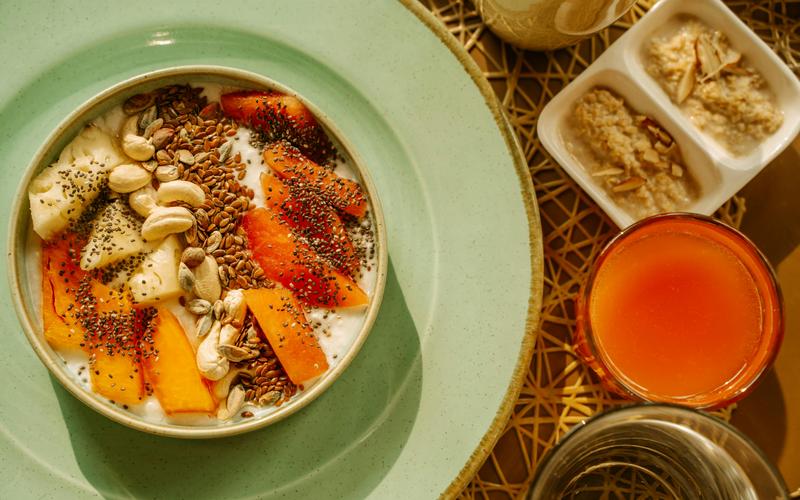
Greek Yogurt with Seeds and Fruit
200g of full-fat or low-fat Greek yogurt provides approximately 17–20g of protein with no cooking at all. A Greek yogurt breakfast topped with 1 tablespoon of chia seeds, 1 tablespoon of hemp seeds, and seasonal fruit takes under 5 minutes to assemble and works as the fallback option on mornings when nothing else is possible. This is the dish that makes high-protein breakfast actually achievable consistently, rather than just occasionally.
Easy High Protein Indian Breakfast Recipes for Weight Loss
The high protein breakfast for weight loss Indian context requires a slightly different filter than the general high-protein list above. Paneer bhurji is protein-dense, but 150g of paneer also contributes meaningful calories and saturated fat — it's appropriate for weight management when portion-controlled, but it's not the same as moong dal chilla, which delivers comparable protein with considerably fewer calories. For someone prioritizing caloric deficit alongside protein intake, moong dal chilla, sprouts chaat, and kala chana bowl are the three options to anchor the week around. Easy high protein Indian breakfast recipes in the weight-loss context are almost entirely the legume-based ones: low fat, high fiber, high protein, and genuinely filling.
Greek yogurt sits in the middle — lower in fat in its low-fat form but still calorie-meaningful at 200g. Pairing it with fruit rather than nut butter keeps the breakfast lighter than the gym-goer version below.
Protein Rich Indian Breakfast Recipes for Gym-Goers and Active Adults
Reaching 25–30g of protein at breakfast from protein rich Indian breakfast recipes usually means combining two sources rather than relying on one dish. Practical combinations that work together without much extra effort: moong dal chilla (stuffed with paneer) plus a side of Greek yogurt covers 25–30g comfortably. Two whole eggs scrambled alongside a kala chana stir-fry gets there for non-vegetarians. The protein rich dal-based options — moong chilla, besan chilla — deliver strong protein but need to be eaten in larger portions (3 chillas rather than 2) to approach post-workout targets on their own.
High Protein Indian Breakfast Options at a Glance
Matching the morning to the right dish depends on time available and the protein target — this table covers the core high protein Indian breakfast options by the variables that actually matter.
| Dish | Approx. Protein per Serving | Prep Time | Veg/Non-Veg | Best For |
|---|---|---|---|---|
| Moong Dal Chilla | 10–14g | 20 min (no soak) | Veg | Quick weekday breakfast |
| Paneer Bhurji | 18–22g | 10 min | Veg | High-protein, fast |
| Kala Chana Bowl | 12–15g | 5 min (pre-boiled) | Veg | High fiber + protein |
| Greek Yogurt + Seeds | 17–22g | 5 min | Veg | No-cook, busy mornings |
| Sprouts Chaat | 10–14g | 5 min (pre-sprouted) | Veg | Lightest, most digestible |
| Besan Chilla | 8–11g | 15 min | Veg | Family-friendly, versatile |
All protein figures are approximate estimates based on standard serving sizes and should be verified against USDA FoodData Central or ICMR nutritional data before publishing as precise claims.
Vegetarian Protein Rich Breakfast Ideas — Tips for Hitting Your Daily Target
The practical framework for vegetarian protein rich breakfast ideas is simpler than most people make it: prepare one legume-based element on Sunday (boil a batch of kala chana, soak and blend a moong dal batter, grow a tray of sprouts), keep Greek yogurt in the fridge as the daily fallback, and always combine two protein sources when the goal is 25g or more. A single source — even paneer bhurji — rarely reaches 25g for an average portion; the combination habit is what makes the difference. The healthy pancake recipe on this site adapts well as a high-protein breakfast base when made with chickpea flour or supplemented with a Greek yogurt side. For a broader collection of plant-forward meal ideas that work across all three meals, browse the full vegetarian recipe collection.
FAQ
What Indian breakfast has the most protein?
Paneer bhurji and moong dal chilla with paneer stuffing both deliver among the highest protein per serving of common Indian breakfasts — roughly 18–25g combined, depending on portion size. Greek yogurt, if used as a side or standalone, also ranks high at around 17–20g per 200g serving.
Can you get enough protein from a vegetarian Indian breakfast?
Yes — moong dal, paneer, kala chana, besan, and Greek yogurt all provide substantial plant or dairy protein without meat or eggs. Combining two sources at breakfast (e.g., moong dal chilla with a side of yogurt) covers most adults' per-meal protein targets without any animal protein.
How much protein should breakfast have?
Most nutrition guidelines suggest aiming for 25–30g of protein at breakfast for optimal satiety and muscle protein synthesis, particularly for active adults. Practically, 15–20g is achievable with a single Indian dish; reaching 25–30g usually requires combining two sources or a larger portion.
Is moong dal chilla high in protein?
Moong dal chilla provides approximately 10–14g of protein per two-chilla serving from the dal batter alone. Adding a paneer stuffing increases this to 18–22g, making the filled version one of the most protein-efficient Indian breakfast options that's still quick enough for a weekday morning.
What can I eat for a high protein Indian breakfast when I'm in a rush?
Greek yogurt with chia seeds and fruit requires no cooking and takes under 5 minutes. Pre-sprouted mixed legumes tossed with lemon juice, black salt, and chili also come together in minutes if the sprouts were prepared the day before — both are genuinely fast high-protein options.
Every dish on this high protein Indian breakfast list gets faster the morning after some element was prepared ahead — kala chana boiled in bulk, moong batter blended the night before, sprouts grown over two days, yogurt always stocked. None of these habits take more than 10 minutes to set up, and together they close the gap between a high-protein breakfast that's planned and one that's actually eaten. Start with whichever dish uses ingredients already in the kitchen, then build from there.
Tags