A Breakfast Burrito Recipe Built for the Freezer, Not Just the Skillet
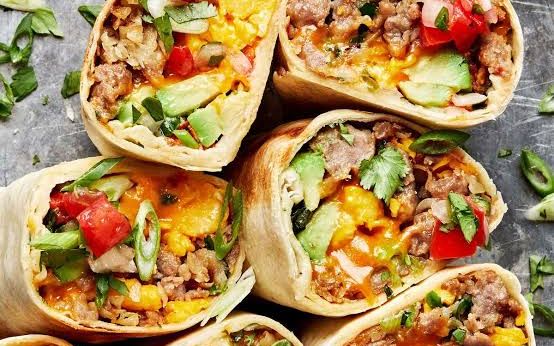
This breakfast burrito recipe is built for batch cooking — eggs, cheese, and your choice of filling, wrapped and freezer-ready in under an hour.
Nobody searching for a breakfast burrito recipe at 6 a.m. wants to cook one burrito — they want a stack of them already made, wrapped, and ready to grab on the way out the door. This version is built around that reality: one batch cooking session produces ten to twelve burritos, individually wrapped and frozen, so the actual "cooking" on a weekday morning is just unwrapping and reheating. What follows covers the base filling, the wrapping technique that actually holds up in foil, freezing and reheating comparisons, and a few swaps for anyone eating these as a regular weekday meal.
What Actually Goes Into a Good Breakfast Burrito
At its core, a good burrito needs five things: scrambled eggs, a starch (diced potatoes or frozen hash browns), a protein (sausage, bacon, or beans), shredded cheese, and a large flour tortilla sturdy enough to hold it all without tearing. Answering how do you make a breakfast burrito at the conceptual level, it really comes down to cooking each component separately, portioning them evenly across a stack of tortillas, and folding tightly enough that the filling stays put through freezing and reheating — the specifics of quantities and technique come next.
Ingredients for This Breakfast Burrito Recipe
A batch of 10 burritos uses 12 large eggs, 3 cups (450g) diced potatoes or frozen hash browns, 1 lb (450g) breakfast sausage or bacon, 2 cups (225g) shredded cheddar, salt and pepper to taste, and 10 burrito-size (10-inch) flour tortillas. This ratio leaves room for diy breakfast burritos built around whatever protein happens to be in the fridge — ground turkey, chorizo, or black beans all substitute cleanly for the sausage without changing the method.
Choosing the Right Tortilla Size
10-inch burrito tortillas hold enough filling to make the burrito worth eating without tearing under the weight of eggs, potatoes, and protein. Smaller 8-inch tortillas require noticeably less filling per burrito and tend to roll less securely, since there's less surface area to tuck and overlap during the fold.
Eggs: Scrambled Soft, Not Fully Set
Scramble the eggs to about 80% done — still slightly glossy and soft rather than fully firm — since they continue cooking slightly from residual heat during assembly and again during reheating. Eggs scrambled fully before freezing tend to turn rubbery once reheated, since the proteins have already tightened as much as they're going to before a second round of heat pushes them further.
How to Make and Wrap a Breakfast Burrito
The order of operations matters here more than the individual steps.
Cooking the Filling Components
Cook the diced potatoes in a skillet with a little oil over medium heat for 12–15 minutes until golden and tender, then set aside. In the same pan, cook the sausage or bacon until browned and cooked through — ground sausage should reach an internal temperature of 160°F (71°C), per USDA's safe minimum internal temperature guidance. Scramble the eggs last, in a separate pan, so each component finishes around the same time without overcooking while waiting on the others.
The Fold That Actually Holds
Lay the tortilla flat and place the filling in a horizontal line across the center third, leaving about 2 inches (5cm) of space on each side. Fold the two sides in over the filling first, then roll from the bottom up, tucking the filling tightly as it goes. Rolling first and folding the sides in afterward — the more intuitive order — almost always leaves gaps at the ends where filling spills out during reheating.
Wrapping for the Freezer
Wrap each rolled burrito individually and tightly in a sheet of aluminum foil, twisting the ends closed like a candy wrapper. Once all ten are wrapped, group them into a single labeled freezer bag, pressing out as much air as possible before sealing.
Simple Breakfast Burrito Recipe vs. Loaded Versions
A simple breakfast burrito recipe — eggs, cheese, and one protein — freezes and reheats far more evenly than a loaded version stuffed with salsa, avocado, and sour cream. Wetter add-ins like salsa and avocado both break down structurally in the freezer: salsa turns watery once thawed, and avocado oxidizes and discolors even when tightly wrapped. The better approach is building the simple version for freezing, then adding anything fresh — salsa, avocado, hot sauce, sour cream — after reheating, right before eating. This isn't really a step down in flavor so much as a timing fix; nothing about the loaded toppings needs to survive the freezer to taste good.
Making a Healthy Breakfast Burrito Recipe
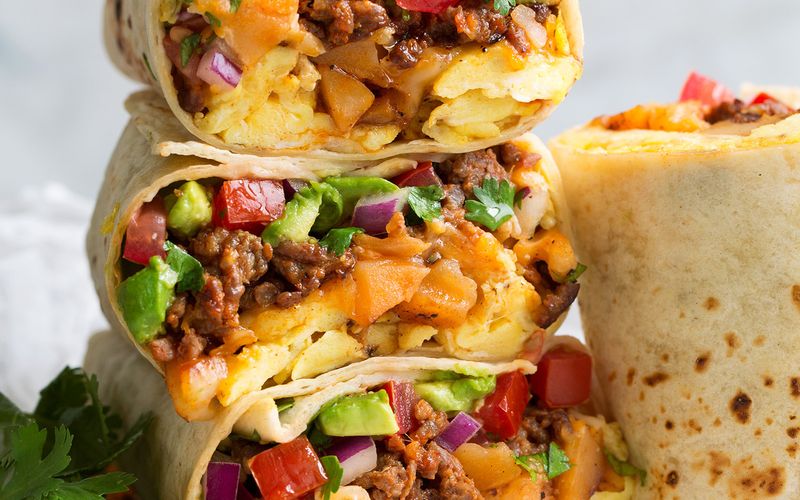
For a healthy breakfast burrito recipe direction, swap in a mix of whole eggs and egg whites (roughly half and half) to cut cholesterol and fat while keeping enough yolk for flavor and binding. Turkey sausage in place of pork sausage lowers saturated fat noticeably, and black beans can replace or supplement the meat protein entirely, adding fiber that a standard version lacks. A whole wheat tortilla rounds out the swap list, adding more fiber than a standard white-flour tortilla without changing how the burrito folds or freezes.
Comparison Table: Freezing and Reheating Methods
Reheating method affects the final texture more than almost any other variable in this recipe, since the tortilla and eggs both behave differently depending on how quickly and evenly they're brought back up to temperature.
| Reheating Method | Time (from frozen) | Texture Result | Best For |
|---|---|---|---|
| Microwave | 2–3 min | Soft, slightly steamy | Fastest, weekday mornings |
| Oven | 25–30 min at 350°F | Crisp exterior, evenly warmed | Best overall texture |
| Skillet (thawed first) | 5–6 min | Crispy tortilla, fastest of the pan methods | Weekend mornings with more time |
| Air Fryer | 12–15 min at 350°F | Crisp exterior, closest to fresh-made | Small batches |
Tips for the Best Breakfast Burrito Recipe
Don't overfill each tortilla — a burrito packed past capacity tears during the initial fold or splits open during reheating, spilling filling instead of holding together. Let the cooked filling cool for about 10 minutes before assembling, since hot filling wrapped immediately in foil creates trapped steam that condenses and leaves the tortilla soggy once frozen and thawed. And label each foil packet with the date before bagging the batch — a frozen burrito is genuinely hard to identify by sight alone once it's been in the freezer for a few weeks, and dated labels save a fair amount of guessing on a rushed morning. For a related breakfast option, this healthy pancake recipe makes a good pairing on mornings with a bit more time to spare.
Storage and Freezing Guidelines
Assembled burritos keep for about 3–4 days in the refrigerator if not immediately frozen, and up to 3 months in the freezer when wrapped tightly in foil and stored in a sealed bag. According to USDA guidance on leftovers and food safety, reheated egg and meat dishes should reach an internal temperature of 165°F (74°C) to ensure food safety, which the oven and air fryer methods above reliably achieve given their full cook times, while a quick microwave reheat is worth checking with a thermometer if there's any doubt.
FAQ
How do you make a breakfast burrito ahead of time?
Cook the filling components (eggs, potatoes, protein) separately, let them cool slightly, then assemble and wrap each burrito individually in foil. Batch-cooking a full tray of eggs and potatoes at once, rather than cooking each burrito's filling separately, is what makes this practical for a dozen burritos in under an hour.
Can breakfast burritos be frozen?
Yes, wrapped tightly in foil and stored in a freezer bag, breakfast burritos keep well in the freezer for up to 3 months. Reheating from frozen in the oven or air fryer produces the best texture, while microwaving is faster but leaves the tortilla softer rather than crisp.
What's the best way to reheat a frozen breakfast burrito?
The oven gives the most even result, taking 25–30 minutes at 350°F (175°C) wrapped in foil, then unwrapped for the last few minutes to crisp the tortilla. The microwave is faster at 2–3 minutes but produces a softer, slightly steamed texture instead of a crisp exterior.
What ingredients go in a basic breakfast burrito?
A basic version includes scrambled eggs, a starch like diced potatoes or hash browns, a protein such as sausage or bacon, shredded cheese, and a large flour tortilla. Salsa, avocado, and sour cream are common additions but are usually better added fresh after reheating rather than frozen inside.
Can breakfast burritos be made healthier?
Yes, common swaps include using egg whites or a mix of whole eggs and whites, turkey sausage instead of pork sausage, black beans for added fiber, and a whole wheat tortilla. These changes reduce saturated fat and add fiber without significantly changing the overall assembly method.
Conclusion
This breakfast burrito recipe only really works if it's treated as a batch project rather than a single-serving one — the payoff is a freezer stocked with a month's worth of fast mornings rather than one good burrito eaten once. Start with the simple version to nail down the fold and the freezing technique, then branch into the healthy swaps or a loaded, toppings-heavy version depending on what these are actually replacing on a given morning. For another freezer-friendly breakfast worth batching alongside these, try this healthy blueberry muffin recipe.
Tags