This Garlic Bread Recipe Skips the Frozen Bag Entirely
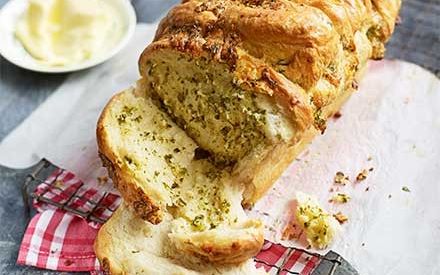
This garlic bread recipe nails the crisp-outside, soft-inside balance every time — homemade garlic butter, no store-bought shortcuts needed.
Most disappointing garlic bread traces back to one problem: butter that's bland, underseasoned, or spread so thin it barely registers past the first bite. This garlic bread recipe fixes that specific issue — real minced garlic, real butter, spread thick enough to taste in every corner of the slice, not just the center. The bread itself matters less than most people assume; the butter is where this recipe either succeeds or falls flat.
The Garlic Butter Is the Whole Recipe
Garlic bread lives or dies on the butter mixture, not the loaf underneath it. A ratio that actually works: 8 tablespoons (115g) softened unsalted butter, 4 cloves of fresh garlic minced fine, 2 tablespoons chopped fresh parsley, ¼ teaspoon salt, and 2 tablespoons grated Parmesan folded in at the end. Fresh garlic matters here in a way that's hard to fake — bottled garlic powder produces a flatter, muskier flavor that fades fast, while fresh cloves release sharp, aromatic oils the moment they hit warm butter, which is most of what makes good garlic bread smell the way it does straight out of the oven.
Choosing the Right Bread
French baguette, Italian loaf, and sliced sandwich bread all work, but they behave differently under heat. A baguette's tight, chewy crumb holds up well under a broiler without turning soggy, since there's not much surface area for the butter to oversaturate. An Italian loaf, with its softer, airier crumb, needs a shorter bake before broiling to avoid drying out the interior while the top browns. Sandwich bread works in a pinch but turns more toast-like than bread-like, since it lacks the structure to stay chewy under a thick layer of butter. Whichever loaf gets picked, this is the foundation any recipe for garlic bread depends on before the butter or cheese even enters the picture — a flimsy bread undercuts good butter every time.
How to Make Garlic Bread (Step-by-Step)
This is the actual method, not just a list of what goes into the bowl.
Mixing the Garlic Butter
Let the butter sit at room temperature for about 30 minutes until it gives easily under light pressure — cold butter won't incorporate the garlic and parsley evenly, leaving streaky pockets of flavor instead of a uniform spread. Mash the softened butter with a fork, then mix in the minced garlic, parsley, salt, and Parmesan until fully combined.
Spreading It Right (Edge to Edge, Not Just the Center)
Slice the loaf lengthwise and spread the garlic butter all the way to the crust on both halves, not just down the middle. This sounds obvious, but it's the single most common shortcut that leaves the edges of each slice tasting like plain toasted bread while the center carries all the flavor.
Broiling vs. Baking for the Crispiest Crust
For a thinner loaf like a baguette, broiling alone for 3–4 minutes on the top oven rack gets a crisp, shattery crust without drying out the interior. Thicker loaves do better with a two-step approach: bake at 375°F (190°C) for about 10 minutes to warm through, then switch to broil for a final 2 minutes to brown the top. Either way, watch it closely under the broiler — garlic butter goes from golden to burnt in under a minute once it starts browning.
Cheesy Garlic Bread Recipe vs. Classic Butter-Only
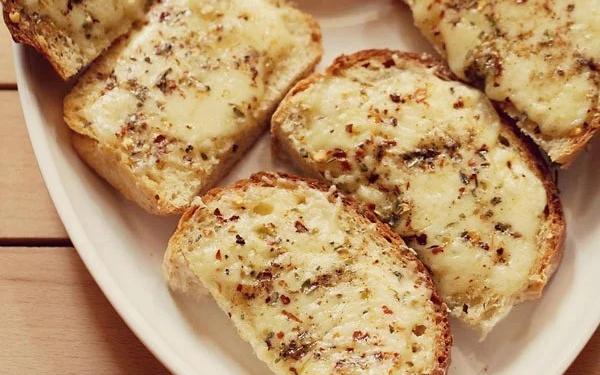
The plain, butter-only version and a loaded, cheese-topped one aren't really the same dish once cheese enters the picture. A cheesy garlic bread recipe adds about 1 cup (115g) of shredded mozzarella on top of the spread butter before baking, which changes both the texture and the timing — the extra cheese needs a slightly longer bake before broiling, usually an added 2–3 minutes, to fully melt before the top browns. Compared to a garlic bread garlic butter recipe made without any cheese, the mozzarella version comes out heavier and more indulgent, with a stretchy pull to each slice that the plain version doesn't have. For something in between, a cheese garlic bread recipe using a blend of mozzarella and Parmesan together gives a stretchier texture from the mozzarella with the sharper, saltier finish Parmesan provides on its own — a middle ground worth trying before committing to either extreme.
Comparison Table: Bread and Cooking Method Combinations
Matching the bread to the right method makes a bigger difference in the final texture than most people expect.
| Bread Type | Best Method | Cook Time | Result |
|---|---|---|---|
| French Baguette | Broil | 3–4 min | Crisp, shattery crust |
| Italian Loaf | Bake then broil | 10 min + 2 min | Soft interior, golden top |
| Sandwich Bread | Bake | 8–10 min | Softer, more toast-like |
| Texas Toast (thick-cut) | Bake then broil | 8 min + 2 min | Thick, buttery, chewy center |
Where Garlic Bread Goes Wrong (Troubleshooting)
Three mistakes account for most bad results. Butter that's too cold spreads unevenly, leaving bald patches of bare bread with no flavor next to thick clumps of butter elsewhere — always let it come fully to room temperature first. Broiling too close to the heat source burns the garlic before the bread has a chance to properly crisp, since garlic browns faster than bread does under direct high heat; keeping the rack one notch lower than the very top slot usually solves this. Undersalting is the third common issue — bread absorbs seasoning more aggressively than people expect, so butter that tastes correctly salted on its own often reads as bland once it's baked into a full slice. Getting all three right is really the whole difference between an average loaf and the best garlic bread recipe results most people are actually hoping for.
Make-Ahead and Storage Tips
The garlic butter can be mixed and spread onto the bread up to 2 days ahead, then wrapped tightly in plastic wrap and refrigerated until ready to bake — this is a genuinely useful shortcut for anyone prepping a dinner ahead of time. For longer storage, wrap the buttered, unbaked bread tightly in foil and freeze for up to 2 months; bake directly from frozen rather than thawing first, adding a few extra minutes to the cook time, since thawing first tends to make the butter separate and soak unevenly into the crumb. According to USDA guidance on leftovers and food safety, perishable items with butter or cheese should go into the fridge within two hours if left out after baking, so leftover baked slices are best wrapped and refrigerated promptly rather than left out on the counter overnight.
FAQ
What's the secret to good garlic bread?
The secret is using fresh minced garlic rather than garlic powder, and making sure the butter is fully softened before mixing so it spreads evenly all the way to the edges of the bread. Uneven butter distribution is the most common reason garlic bread tastes bland in some bites and overpowering in others.
Should garlic bread be baked or broiled?
Broiling gives the crispiest, most caramelized top in just 3–4 minutes, but works best on bread that's already soft inside, like a baguette. Thicker loaves often need a short bake first to warm through, followed by a brief broil at the end for color and crunch.
Can garlic bread be made ahead of time?
Yes, the garlic butter can be mixed and spread onto the bread up to 2 days ahead, then wrapped tightly and refrigerated until ready to bake. For longer storage, wrap the buttered, unbaked bread in foil and freeze for up to 2 months.
How do you make garlic bread crispy instead of soggy?
Sogginess usually comes from butter that's too thin or bread that's too soft to hold its structure. Using a sturdier loaf, not overloading the butter layer, and finishing under the broiler for the last few minutes all help produce a crisp exterior instead of a soggy one.
Can garlic bread be frozen?
Yes, unbaked garlic bread freezes well for up to 2 months when wrapped tightly in foil or plastic. Bake it directly from frozen, adding a few extra minutes to the cook time, rather than thawing first, which can make the butter separate and soak unevenly into the bread.
Conclusion
This garlic bread recipe really comes down to two things done properly — real garlic worked into real butter, spread all the way to the edges of the loaf, and matched to a cooking method that suits the bread being used. Skip either one and the results end up somewhere in "fine" territory instead of genuinely good. Start with the plain butter version to get the technique down, then build up to a homemade garlic bread recipe loaded with cheese once that base feels reliable. It's the natural side for this baked ziti with ricotta cheese, or round out the meal with this pasta salad recipe for something cold alongside it.
Tags