The Hummus Recipe That Finally Gets the Texture Right
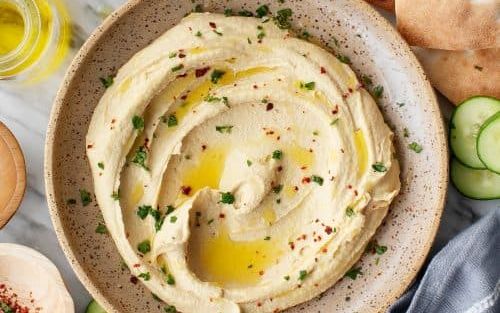
This hummus recipe gets the texture actually smooth — not grainy, not stiff — with or without tahini, plus beet and roasted garlic variations.
Store-bought hummus is usually acceptable — smooth enough, reasonably seasoned, convenient. Homemade hummus, on the other hand, often comes out grainy, too thick, or strangely flat in flavor, and most recipes don't explain why. This hummus recipe addresses the texture problem first, before anything else, because getting a genuinely smooth, airy result from a home blender is a technique question more than an ingredient one. This guide covers the base method, the classic and tahini-free versions, and three variations worth making once the base feels reliable.
What Makes a Hummus Recipe Smooth (Not Grainy)
Most grainy homemade hummus comes down to two skipped steps that most recipes treat as optional. The first is removing the skins from the chickpeas before blending — the skins are what create the slightly fibrous, rough texture that prevents a fully smooth emulsion, and they're easy enough to slip off between two fingers once the chickpeas are drained and rinsed. The second is the order of blending: tahini and lemon juice need to blend together first, without the chickpeas, for about 1–2 minutes until the mixture turns pale and creamy. This step creates an emulsion base that the chickpeas incorporate into far more smoothly than they would if everything goes in at once. The best hummus recipe results come from treating these as mandatory steps rather than suggestions — both matter mechanically, not just for flavor.
The Ingredients Behind a Good Homemade Hummus Recipe
A standard batch serves 6–8 as a dip and uses: 1 can (400g/14 oz) of chickpeas, drained and rinsed, or 250g (1⅓ cups) of dried chickpeas soaked overnight and cooked; 60ml (¼ cup) of good tahini; 3 tablespoons fresh lemon juice; 1 small clove of garlic, roughly chopped; 3 tablespoons of ice water, added gradually during blending; 2 tablespoons olive oil; and ½ teaspoon salt. This is the homemade hummus recipe ingredient list — every element earns its place, and the ice water is not optional.
Tahini — What to Look For
Tahini varies enormously between brands — some run thin and pourable, while others sit thick and pasty in the jar. Thin, well-stirred tahini blends into a smoother emulsion than thick tahini straight from the jar without stirring. Before using, stir the jar fully to reincorporate any separated oil. If the tahini is very stiff, it will fight against the emulsion rather than contribute to it.
Canned vs. Dried Chickpeas
Dried chickpeas soaked overnight in cold water and simmered for 1–2 hours produce a noticeably creamier result than canned, since they absorb more water during cooking and have a softer, more uniform texture by the time they're blended. Canned chickpeas work well with one adjustment: simmer them in their liquid for 15–20 minutes before draining, which softens them slightly further and produces a better blending texture than rinsing cold chickpeas straight from the can.
How to Make Hummus — The Method Step by Step
This is the how to make homemade hummus method in the exact order that produces the right texture.
Add the tahini and lemon juice to the food processor and blend for 1–2 minutes until pale and whipped. Add the garlic and salt, blend for another 30 seconds. Add half the chickpeas and blend for 1 minute. Add the remaining chickpeas and blend for another 2 minutes. With the motor still running, drizzle in the ice water one tablespoon at a time, blending continuously until the hummus reaches a light, airy consistency. Total active blending time: 4–5 minutes. Short-cutting this to 45 seconds produces a dense paste rather than a spread.
Removing Chickpea Skins
Pinch each chickpea between thumb and index finger — the skin slips off easily and the pale chickpea pops out. For a can of 400g drained chickpeas, this takes about 8–10 minutes. It's worth doing for a batch destined to be served as a dip or presented on a mezze plate; for a batch going into wraps or grain bowls where texture matters less, the canned adjustment above gets close enough without the time investment.
Blending Time and the Ice Water Trick
Ice water, specifically cold rather than room-temperature, keeps the hummus from warming up in the blender, which matters because warm blending causes the chickpea starch to behave differently — it tightens rather than aerates. The continuous blending plus cold water transforms the mixture from a chunky paste into something genuinely pale, fluffy, and smooth. This is the step that separates how to make hummus that rivals restaurant or deli quality from the version most first attempts produce.
Hummus Recipe Without Tahini — Is It Worth Making?
The hummus recipe without tahini exists for real reasons — tahini can be expensive, it's not always easy to find in every region, and sesame allergies are common enough that a substitute version matters. What tahini actually contributes is richness, body, and a nutty undertone that the chickpeas alone don't provide. Without it, the hummus tastes noticeably flatter and thinner. Greek yogurt (3 tablespoons in place of the tahini) adds body and a gentle tang; almond butter at the same quantity adds fat and a different nuttiness without sesame. Neither produces the classic flavor profile — the result is good, but it's a chickpea dip more than a proper hummus recipe. Worth making if tahini isn't available, but worth tracking down the real thing for the standard version.
Variations Worth Trying
Once the base method works, the variations are mostly one addition each.
Hummus Recipe with Tahini — Classic Version Done Right
The hummus recipe with tahini is the baseline — 60ml (¼ cup) tahini to 250g of cooked chickpeas is the ratio that produces a balanced result. More tahini makes the hummus richer but can tip toward bitter; less makes it lighter but thinner. This ratio works across nearly every combination of chickpea and tahini brand, which is why it's the starting point rather than an adjustable variable.
Beet Hummus Recipe
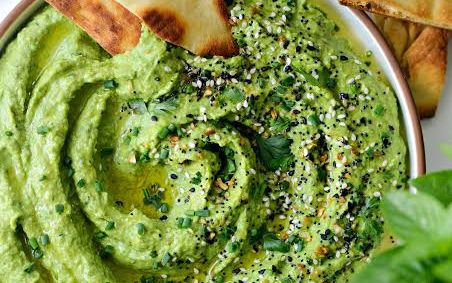
A beet hummus recipe follows the exact same method as the classic, with one roasted beet (about 150g/5 oz) added after the chickpeas. Roast the beet at 200°C (400°F) wrapped in foil for 45–55 minutes until fully tender, then cool and peel before adding. Adding the beet after the chickpeas rather than at the beginning produces a more evenly colored, uniformly pink result — blending it in too early can cause an uneven texture as the beet resists breaking down at the same rate as the chickpeas.
Roasted Garlic Version
Replace the single raw garlic clove with a whole head of garlic roasted at 190°C (375°F) for 35–40 minutes, squeezed from the skins, and added at the garlic stage. The flavor shifts entirely — from sharp and slightly pungent to sweet, mellow, and deeply savory without any raw-garlic edge. This version works well for anyone who finds the classic version too aggressively garlicky.
Hummus Variations at a Glance
The easy hummus recipe baseline is the most versatile result, and each variation shifts both flavor and the dishes it pairs best with. This table covers the main branches worth knowing.
| Variation | Key Addition | Flavor Profile | Best Paired With |
|---|---|---|---|
| Classic (with tahini) | Tahini, raw garlic | Nutty, tangy, savory | Pita, crudités, grain bowls |
| Without Tahini | Greek yogurt or almond butter | Lighter, milder | Wraps, sandwiches |
| Beet Hummus | Roasted beet | Earthy, slightly sweet | Cheese boards, salad plates |
| Roasted Garlic | Roasted whole garlic | Sweet, mellow | Flatbreads, vegetable dips |
| Spicy (harissa or chili) | Harissa paste or fresh chili | Bold, smoky-hot | Mezze plates, grilled meats |
Serving, Storing, and What to Dip
Spread the hummus into a wide, shallow bowl using the back of a spoon in a circular motion to create a shallow well in the center. Drizzle good olive oil into the well, add a pinch of paprika or ground cumin, and finish with a few whole chickpeas if there are any left over. Beyond pita and raw vegetables, hummus works as a spread in wraps and sandwiches, as a grain bowl base topped with roasted chickpeas or vegetables, or as a dip for warm flatbread alongside a mezze-style spread — try this mango chutney alongside for a sweet, sharp contrast that works surprisingly well. Serve a sprouts salad alongside for a plant-forward spread that requires no cooking beyond the hummus itself.
For storage: drizzle a thin layer of olive oil over the surface before sealing, refrigerate in an airtight container, and use within 4–5 days. Hummus freezes for up to 3 months but may come out slightly grainy after thawing — blending briefly after thawing restores some of the texture.
FAQ
What is hummus made of?
Hummus is made from cooked chickpeas blended with tahini (sesame paste), lemon juice, garlic, olive oil, and salt. The basic recipe requires only these five ingredients, though the proportions and technique — particularly how long the mixture blends and whether chickpea skins are removed — determine the final texture and richness.
Why is my hummus grainy?
Grainy hummus almost always comes from blending the chickpeas too briefly or adding them before the tahini and lemon have emulsified properly. Removing the skins from chickpeas before blending and running the food processor for 4–5 continuous minutes, rather than 30 seconds, produces a noticeably smoother result.
Can hummus be made without tahini?
Yes, though the result is lighter in flavor and less rich in texture. Greek yogurt adds body without the nuttiness, and almond butter provides a similar fat profile with a different flavor. The substitution works well for mild dipping hummus but changes the character enough that it's a distinct recipe.
How long does homemade hummus last?
Stored in an airtight container in the fridge, homemade hummus keeps for 4–5 days. Drizzle a thin layer of olive oil over the surface before sealing to prevent oxidation and surface drying. Hummus can be frozen for up to 3 months, though the texture may become slightly grainy after thawing.
What do you serve this hummus recipe with?
Beyond pita bread and raw vegetables, hummus pairs well with warm flatbreads, as a spread in wraps or sandwiches, alongside falafel, or as a base in grain bowls topped with roasted vegetables and a drizzle of olive oil. A spoonful also works as a condiment alongside grilled chicken or lamb.
The version worth making first is always the classic with tahini. Not because the beet or roasted garlic versions are harder — they use exactly the same method — but because getting the base texture right teaches the one thing all variations share: the tahini-first emulsion, the full blending time, and the ice water. Once a batch comes out genuinely pale and airy rather than thick and paste-like, every subsequent hummus recipe follows automatically.
Tags