Baked Ziti with Ricotta Cheese: The Weeknight Casserole That Skips the Fuss
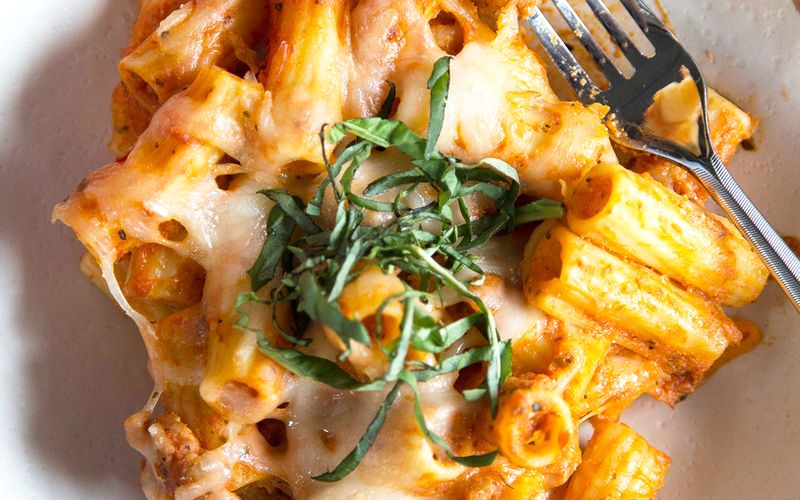
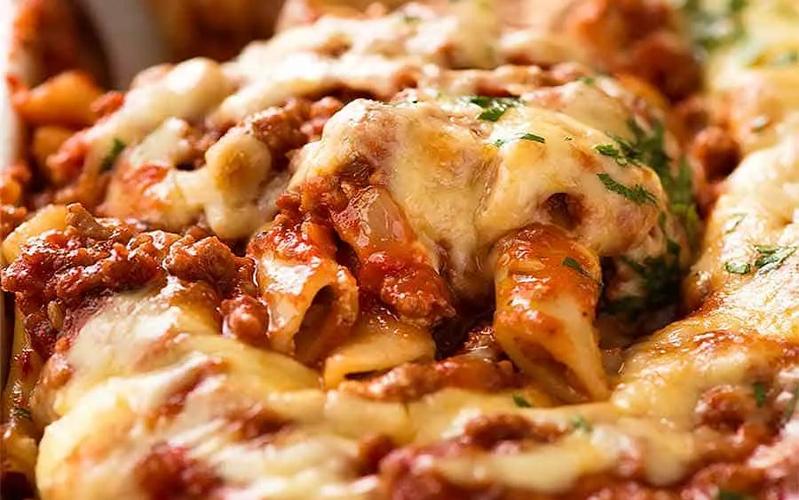
Baked ziti with ricotta cheese is the weeknight answer to lasagna cravings — layers of pasta, sauce, and cheese, no rolling or layering fuss.
Lasagna gets all the credit, but on a Tuesday night, nobody wants to boil noodles individually and layer them by hand. Baked ziti with ricotta cheese solves that problem — tube-shaped pasta gets tossed straight into a bowl with sauce and cheese, poured into a dish, and baked until the top turns golden and bubbling. This piece covers the ingredients, the actual assembly method, a meat-versus-meatless breakdown, and the one ricotta mistake that ruins texture more than anything else in the recipe.
Why Ricotta Makes the Difference
A plain baked pasta made with just marinara and mozzarella tastes fine, but it's missing the creamy, slightly tangy layer that separates real baked ziti from a glorified pasta bake. Ricotta gets folded through the noodles or layered in pockets throughout the dish, softening every bite and giving the sauce something to cling to besides just cheese on top. Some recipes skip ricotta entirely, relying on mozzarella and Parmesan alone — that version isn't wrong, exactly, but it's a thinner, more one-dimensional dish, closer to a simple pasta casserole than the richer thing most people are picturing when they search for this recipe.
Ingredients for This Baked Ziti Recipe
A standard 9x13-inch (23x33cm) baking dish serves 6–8 and needs: 1 lb (450g) ziti pasta, 4 cups (960ml) marinara or tomato sauce, 15 oz (425g) whole-milk ricotta, 1 large egg, 2 cups (225g) shredded mozzarella, ½ cup (50g) grated Parmesan, 2 cloves minced garlic, and 1 teaspoon dried Italian seasoning. This is the core baked ziti recipe with ricotta cheese ingredient list most home cooks end up settling on after a few attempts.
Choosing the Right Pasta Shape
Ziti, penne, and rigatoni are largely interchangeable here, since all three are ridged, tube-shaped pastas that trap sauce inside and along the exterior grooves. Smooth pasta shapes like fusilli or elbow macaroni work in a pinch but don't hold nearly as much sauce, leaving the finished dish noticeably drier in spots.
Whole-Milk vs. Part-Skim Ricotta
Whole-milk ricotta bakes creamier and holds moisture better under high heat, while part-skim ricotta, though lower in fat, tends to turn slightly grainy once baked for 25-plus minutes. According to USDA FoodData Central, the two versions differ mainly in fat content per serving rather than protein, which is part of why whole-milk ricotta produces a smoother, richer result without adding much in the way of extra protein.
How to Make Baked Ziti with Ricotta Cheese
This is the actual recipe for baked ziti with ricotta cheese, laid out step by step rather than as a simple ingredient dump.
Undercooking the Pasta on Purpose
Boil the ziti in salted water for about 2 minutes less than the package's al dente time — typically 7–8 minutes instead of 9–10. The pasta finishes cooking in the oven as it absorbs sauce, and starting it fully cooked almost guarantees a mushy result by the time the top layer of cheese has properly browned.
Making the Ricotta Filling
In a bowl, mix the ricotta with 1 beaten egg, half the Parmesan, the minced garlic, and the Italian seasoning until smooth. The egg matters more than it looks like it should — it binds the ricotta so it holds its structure in pockets throughout the bake instead of melting into a watery puddle at the bottom of the dish.
Layering and Baking
Toss the drained, undercooked pasta with about three-quarters of the marinara sauce, then spread half of that mixture into the baking dish. Dollop spoonfuls of the ricotta filling over the pasta, top with the remaining sauced pasta, then finish with the rest of the marinara, the mozzarella, and the remaining Parmesan. Bake uncovered at 375°F (190°C) for 25–30 minutes, until the cheese is fully melted and turning golden at the edges.
Baked Ziti with Meat and Ricotta Cheese vs. Meatless
The single biggest decision point in this recipe is whether meat goes in at all. Baked ziti with meat and ricotta cheese typically means browning 1 lb (450g) of ground beef in a skillet before folding it into the marinara sauce, adding a heartier, more filling result that works well for a family dinner where a meatless dish might not feel like enough. A baked ziti with sausage version swaps that ground beef for sweet or spicy Italian sausage, removed from its casing and browned the same way, giving the dish a more assertive, fennel-forward flavor that plain ground beef doesn't have. Meatless versions skip this step entirely and lean on the ricotta and mozzarella for substance, which works well for vegetarian guests or simply a lighter weeknight meal. Whichever protein gets used, ground meat and sausage should reach an internal temperature of 160°F (71°C) before going into the sauce, per the USDA's safe minimum internal temperature guidelines.
Comparison Table: Baked Ziti Variations at a Glance
Choosing between these approaches usually comes down to how much time is available and who's actually eating. The table below breaks down the difference between a fast, easy baked ziti with ricotta cheese weeknight version and something more involved for a crowd.
| Variation | Protein | Prep Effort | Best For |
|---|---|---|---|
| Classic Meatless | None | Low | Vegetarian guests, quick weeknights |
| With Ground Beef | Ground beef | Medium | Heartier family dinner |
| With Italian Sausage | Sweet or spicy sausage | Medium | Bolder, spiced flavor |
| Ziti Baked with Ricotta (No-Boil Shortcut) | Optional | Very low | Minimal hands-on time |
Tips for the Best Ziti Baked with Ricotta Cheese
A few specific habits separate a passable version of this dish from a genuinely good one. Undercooking the pasta by about 2 minutes isn't optional if the goal is a tender, sauce-soaked texture rather than a mushy one by the time it comes out of the oven. Skipping the egg in the ricotta mixture is a common shortcut that backfires — without it, the ricotta tends to weep liquid as it bakes, leaving watery pools at the bottom of the dish instead of a set, creamy layer. Letting the finished ziti baked with ricotta cheese rest for 10 minutes before serving also matters more than it seems; cutting into it straight out of the oven causes the layers to slide apart rather than hold their shape on the plate. For a cold contrast on the side, this pasta salad recipe pairs well alongside the warm, cheesy casserole.
Make-Ahead, Storage, and Reheating
This dish assembles well a day ahead — build it completely, cover tightly, and refrigerate unbaked for up to 24 hours, adding 10–15 extra minutes to the bake time since it's starting cold. Once baked, leftovers keep for 3–4 days in an airtight container in the refrigerator, based on typical recipe-testing observations for baked pasta dishes with this moisture level. According to USDA guidance on leftovers and food safety, perishable foods should go into the fridge within two hours of cooking or coming off a warming appliance. Reheating covered in a 350°F (175°C) oven for about 20 minutes preserves the top layer's texture far better than microwaving, which tends to leave the cheese rubbery instead of properly melted.
FAQ
What's the difference between baked ziti and lasagna?
Baked ziti uses tube-shaped pasta tossed with sauce and cheese, then baked as a casserole, while lasagna requires layering flat sheets individually between sauce and cheese. Baked ziti is faster to assemble since the pasta gets mixed rather than layered by hand, making it a common weeknight substitute for lasagna's flavor profile.
Do you have to use ricotta in baked ziti?
No, some versions skip ricotta and rely only on mozzarella and Parmesan, but ricotta adds a creamy, slightly tangy layer that most classic recipes consider essential. Without it, the dish tends to taste more like baked pasta in tomato sauce than the richer, cheese-forward casserole most people expect.
Should you boil the pasta all the way before baking?
No, pasta should be boiled about 2 minutes short of al dente, since it continues absorbing sauce and finishing its cook in the oven. Fully cooked pasta going into the oven often turns mushy by the time the cheese on top has properly melted and browned.
Can baked ziti be made ahead of time?
Yes, it can be fully assembled unbaked and refrigerated for up to 24 hours before going into the oven, making it a convenient make-ahead option for gatherings. Add about 10–15 extra minutes to the bake time if going straight from the fridge into the oven.
How long does baked ziti with ricotta cheese last in the fridge?
Baked ziti keeps for 3–4 days in an airtight container in the refrigerator. Reheating covered in a 350°F (175°C) oven for about 20 minutes preserves the top layer's texture better than microwaving, which tends to make the cheese rubbery instead of melted.
Conclusion
Baked ziti with ricotta cheese delivers the same comfort-food payoff as lasagna without the layering and noodle-boiling that keeps a lot of people from making lasagna on a random Tuesday. Whether it's built meatless for a lighter dinner, loaded with ground beef for something heartier, or spiked with Italian sausage for extra kick, the base method stays exactly the same — undercook the pasta, bind the ricotta with egg, and don't rush the rest before slicing in. Start with the classic version, then adjust the protein depending on who's showing up to eat it. For another cheesy Italian-American classic worth trying next, this chicken parmesan recipe follows a similar sauce-and-cheese formula.
Tags