Instant Pot Recipes Worth Learning First (And How the Appliance Actually Works)
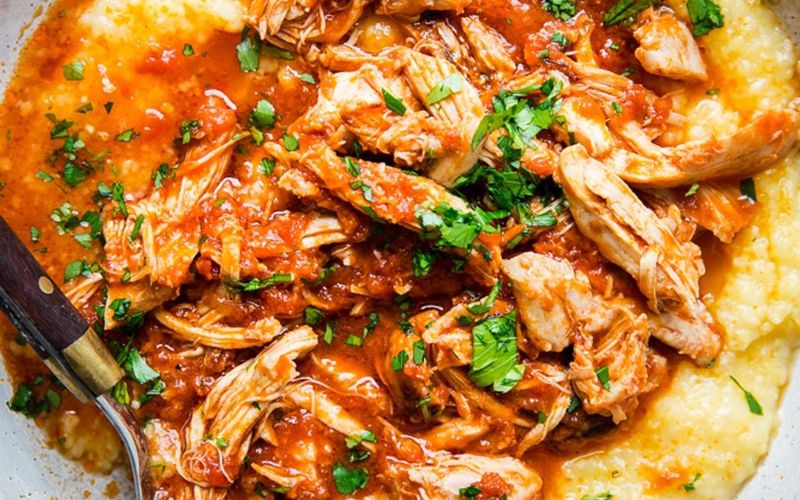
New to pressure cooking? These instant pot recipes cover rice, mashed potatoes, and beginner basics — plus the mistakes worth avoiding.
Somewhere between a slow cooker and a stovetop pressure cooker sits the Instant Pot — and for a lot of people, it shows up in the kitchen still shrink-wrapped, gets used twice, then gathers dust on a shelf. The gap usually isn't the appliance itself; it's not knowing where to start. This piece works through the mechanics first, then moves into the handful of instant pot recipes that actually teach the appliance well — rice, mashed potatoes, soups, and dried beans — before covering the mistakes that trip up most first-time owners.
How to Use an Instant Pot
The lid has to seal properly before anything cooks under pressure, which means the valve on top needs to sit in the "Sealing" position, not "Venting," before starting the cook cycle. Two buttons matter most for a beginner: "Manual" or "Pressure Cook" runs the actual pressure cooking cycle at high or low pressure, while "Sauté" turns the same pot into an open, stovetop-style burner for browning ingredients beforehand. Learning how to use an instant pot really just means getting comfortable switching between these two modes without overthinking the dozen preset buttons surrounding them — most of those presets are just pressure cook running with pre-loaded timers.
Natural Release vs. Quick Release
Once the cook cycle ends, pressure has to come down before the lid will open, and there are two ways to make that happen. Natural release lets the pot depressurize on its own, which can take 10–20 minutes depending on the volume of liquid inside, and works best for grains, beans, and large cuts of meat that benefit from continued gentle cooking as the pressure drops. Quick release, done by manually turning the valve to "Venting," drops pressure in under a minute but forces liquid-heavy or foamy foods — rice, oatmeal, beans — to spurt through the valve if attempted too soon.
The Sauté Function
Browning onions, garlic, or meat directly in the inner pot before switching to pressure cook builds flavor without dirtying a second pan. This step matters more than it looks on paper: a stew started with browned meat and a fond scraped up from the bottom of the pot tastes noticeably richer than one where raw ingredients go straight under pressure.
Instant Pot Duo vs. Other Models
Among the various lines Instant Pot sells — Duo, Ultra, Max, Pro — the instant pot duo remains the most common starting point, mainly because it covers the core functions (pressure cook, slow cook, sauté, rice, yogurt, steam) without the extra dial controls or higher pressure ceiling found on pricier models. Anyone comparing models across the lineup should know that most insta pot pressure cooker units share the same fundamental mechanics regardless of tier; the differences show up in display type, max pressure (some models reach higher PSI for faster cooking), and a few specialty presets rather than in how pressure cooking itself works.
Instant Pot vs. Instant Pot Air Fryer Attachments
The base Instant Pot and the instant pot air fryer lid are two different tools that happen to share the same inner pot. The standard lid seals in steam and builds pressure, which is what cooks food quickly and keeps it moist — ideal for rice, stews, and beans. The air fryer lid, sold separately on most models, replaces that sealed lid with a vented one that circulates hot air, crisping the surface of foods the way a countertop air fryer would. Buying the base unit alone doesn't include air-frying capability; that requires purchasing the attachment lid on top of the base pot, which is worth knowing before assuming one unit does both jobs out of the box.
Easy Instant Pot Recipes to Start With
These four dishes show off what the appliance actually does well, and they're forgiving enough that a first attempt rarely goes wrong.
Instant Pot and Rice
Combine 1 cup (185g) of basmati or jasmine rice with 1 cup (240ml) of water, a pinch of salt, and a teaspoon of oil in the inner pot, then pressure cook on high for 3 minutes with a 10-minute natural release. This instant pot and rice combination takes under 15 minutes total, including the time the pot spends coming up to pressure, and produces fluffier, more evenly cooked grains than most stovetop attempts, since the sealed environment cooks every grain at the same rate.
Instant Pot Mashed Potatoes
Cube 2 lbs (900g) of peeled Yukon Gold potatoes, add 1 cup (240ml) of water or broth, and pressure cook on high for 8 minutes with a quick release. Instant pot mashed potatoes made this way cut total cook time roughly in half compared to boiling on the stovetop, and skip the step of draining a separate pot of boiling water — mash directly in the inner pot with butter and milk once the pressure drops.
Instant Pot Soups and Stews
A beef stew that would normally simmer for 2 to 2.5 hours on the stovetop finishes in about 35 minutes under pressure, once the meat is browned using the Sauté function first. The sealed, pressurized environment breaks down tough connective tissue in cuts like chuck roast far faster than an open pot ever could, without sacrificing the depth of flavor a long simmer usually provides.
Instant Pot Dried Beans
Dried beans — black beans, chickpeas, pinto beans — can go straight into the pot without an overnight soak, cutting a process that normally takes over 90 minutes on the stovetop down to 35–45 minutes under pressure with a natural release. Add the beans, enough water to cover by about 2 inches (5cm), and a pinch of salt, and let the pot do the rest.
Comparison Table: Instant Pot Cooking Times by Ingredient
Seeing the numbers side by side makes it obvious why pressure cooking earns its reputation for speed.
| Ingredient | Stovetop Time | Instant Pot Time | Release Method |
|---|---|---|---|
| White Rice | 18–20 min | 8–12 min | Natural release, 10 min |
| Mashed Potatoes | 20–25 min | 10–12 min | Quick release |
| Dried Beans (unsoaked) | 90+ min | 35–45 min | Natural release, 15 min |
| Beef Stew | 2–2.5 hrs | 35 min | Natural release, 15 min |
Common Mistakes to Avoid With an Instant Pot
Overfilling the pot past its max fill line is the most common early mistake — most models cap at two-thirds full for regular cooking and half full for foods that expand or foam, like rice, beans, and grains, since exceeding that line can clog the pressure valve. The second issue is a sealing ring that isn't seated flush in its groove under the lid; a ring that's twisted or partially popped out won't let the pot build pressure at all, leaving a cook stuck on "coming to pressure" indefinitely. Third, using quick release on foods known to foam or expand — beans, rice, oatmeal — risks spraying hot liquid through the valve, which is why those dishes call for natural release instead. Finally, it's worth not leaving cooked food sitting on the "Keep Warm" setting for hours after the cycle ends; according to USDA guidance on leftovers and food safety, perishable food should be refrigerated within two hours of cooking, so it's better to move leftovers out of the pot and into the fridge promptly rather than letting them sit on warm through an afternoon.
Cleaning and Maintaining an Instant Pot
The sealing ring should come out and get washed separately after each use, since it absorbs odors from strongly flavored dishes and can carry that smell into the next meal cooked with it. Most manufacturers recommend replacing the ring every 12–18 months with regular use, sooner if it starts to look stretched or develops cracks. The stainless steel inner pot is dishwasher-safe on most models, but the lid's valve and float components need occasional hand-cleaning with a small brush to prevent food particles from clogging the pressure-release mechanism.
FAQ
Is an Instant Pot the same as a pressure cooker?
Yes, at its core an Instant Pot is an electric pressure cooker with added functions like sauté, slow cook, and yogurt-making built in. Traditional stovetop pressure cookers rely on manual heat control, while an Instant Pot automates the pressure and timing electronically, making it more forgiving for beginners.
How long does it take an Instant Pot to come to pressure?
Coming to pressure typically takes 10–15 minutes depending on how much liquid and food is in the pot, before the actual cook timer even starts counting down. Larger batches or colder ingredients straight from the fridge take longer to reach full pressure than smaller, room-temperature portions.
Can you use an Instant Pot as an air fryer?
Only with a separate air fryer lid attachment, sold apart from the base pressure cooker on most models. The base unit alone cooks under pressure or via sauté and slow cook settings, but it can't circulate hot air for crisping without that additional lid.
Is it safe to leave food in an Instant Pot after cooking?
Food can stay on the "Keep Warm" setting for a couple of hours safely, but it shouldn't sit indefinitely. For longer storage, transfer leftovers to a separate container and refrigerate promptly rather than leaving them in the pot at room temperature.
Do you need to soak beans before cooking them in an Instant Pot?
No, pressure cooking works well with unsoaked dried beans, cutting typical stovetop cooking time roughly in half. Soaking is still an option for slightly more even texture, but it isn't required the way it usually is for stovetop bean cooking.
Conclusion
Rice, mashed potatoes, a simple stew, and a pot of beans cooked from dry — those four instant pot recipes teach more about the appliance in a single weekend than reading the manual cover to cover ever will. Once natural release, quick release, and the sauté function stop feeling like guesswork, branching into more ambitious dishes gets a lot less intimidating. Start small, get a feel for how the pot behaves, and the rest tends to follow quickly. For a cold side dish to round out a stew night, this pasta salad recipe makes a solid pairing.
Tags